





Importing Waterproofing Membrane from China: SBS, APP and Liquid Coatings
Waterproofing is the unglamorous layer that decides whether a basement stays dry for twenty years or floods in the second wet season. For developers, contractors and trading companies, China is now the dominant source of both roll membranes and liquid coatings, offering consistent quality at a fraction of Western pricing. The challenge is not finding a factory; it is specifying the product correctly so the rolls that arrive match the performance you were promised.
Membrane families: SBS, APP and liquid systems
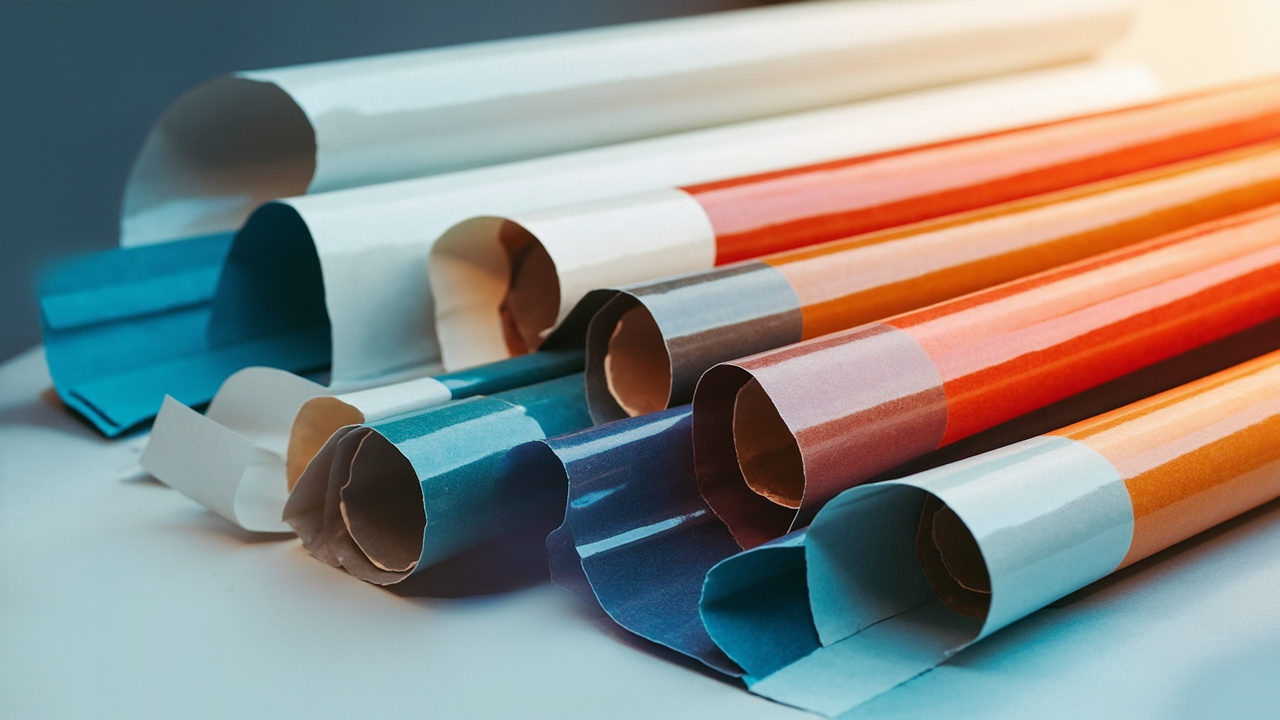
Three product families dominate Chinese export. SBS (styrene-butadiene-styrene) modified bitumen membranes are flexible, elastic and tolerant of structural movement, which makes them the default choice for roofs, basements and areas with wide temperature swings. APP (atactic polypropylene) membranes are stiffer and more heat-resistant, performing well under intense sun on exposed roof decks but cracking in cold climates. Liquid systems, including one- and two-component polyurethane and acrylic emulsions, form seamless membranes that wrap around complex penetrations and are increasingly specified for bathrooms, balconies and green roofs.
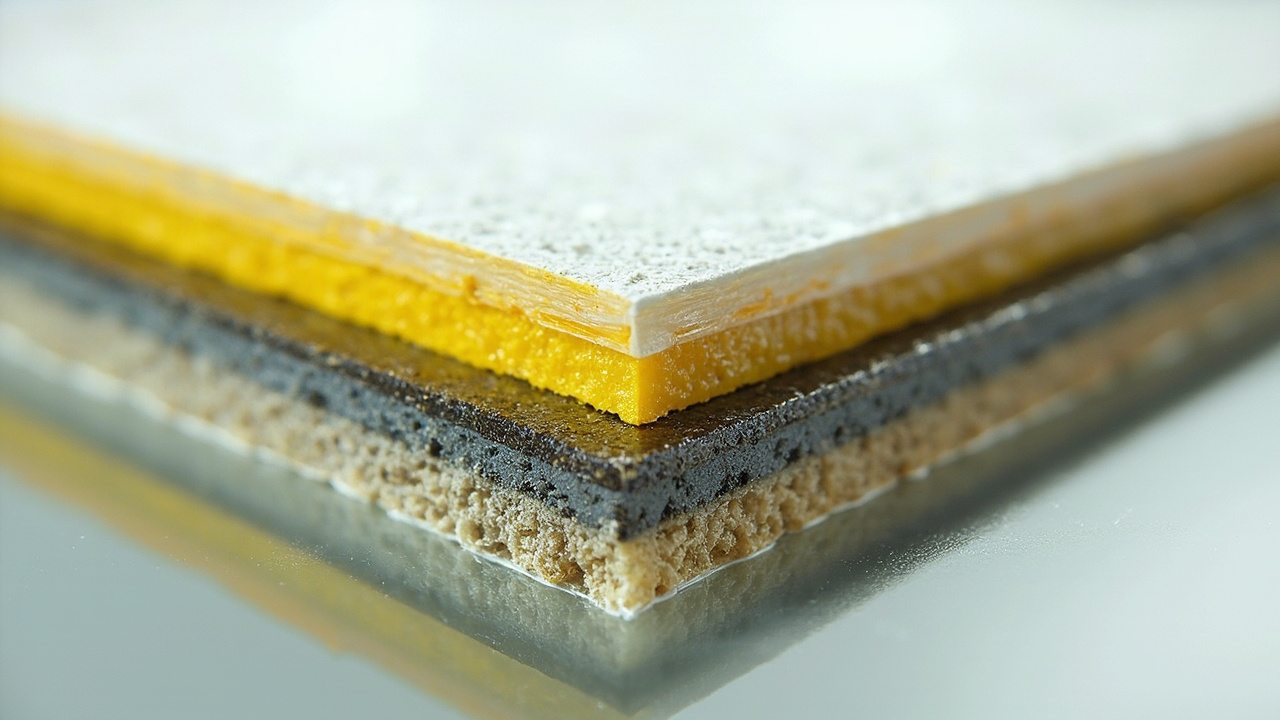
The choice between these families is dictated less by price than by substrate and climate. A project in a tropical market rarely needs SBS, while a Canadian basement should never see APP. The factory price spread between them is modest; the real cost of a wrong choice is paid years later in remedial works.
Reinforcement: polyester versus fiberglass
Roll membranes are built on a carrier that determines tear resistance and elongation. Polyester reinforcement stretches and recovers, absorbing the micro-movements that crack unreinforced bitumen, and is the correct choice for most structural slabs. Fiberglass carriers are dimensionally stable and resist high temperatures during torch-on application, but they do not stretch, so any crack in the substrate telegraphs straight through. Export-grade membranes should clearly state the carrier type, its gram weight per square meter (typically 180 to 250 g) and whether a sand or polyethylene film facing is applied to the top surface.
Thickness, weight and the spec sheet that protects you
Thickness is the single most negotiated figure on a quotation. Export membranes run from 2 mm to 5 mm, and the price per square meter climbs steeply at the top end because bitumen and modifier content drive cost. A common factory shortcut is to sell a 3 mm membrane that measures 2.6 mm once the film facing is excluded. Protect yourself by specifying net bitumen thickness on the purchase order, requiring a stated weight per square meter (usually 3.0 to 4.5 kg for a 3 mm roll), and demanding a mill test certificate for every batch. A peel adhesion test and a low-temperature flexibility test down to minus twenty degrees Celsius will quickly separate honest product from marginal stock.
Liquid coatings and the two-component question
Polyurethane coatings have overtaken acrylic emulsions for demanding applications because they form a continuous elastic film that bridges hairline cracks. Two-component systems, in which a polyol resin is mixed with an isocyanate hardener on site, cure faster and reach higher elongation than single-component moisture-cure grades, but they demand disciplined mixing and a short pot life. When sourcing, ask the factory for the solid content by volume (above 75 percent is respectable), the elongation at break (300 percent or higher for a quality membrane) and the tensile strength. Acrylic coatings remain useful as a UV-stable topcoat over SBS membranes where a white reflective surface is desired.
MOQ, packaging and hazmat shipping
Roll membranes are typically packed on horizontal pallets, shrink-wrapped and bound with steel straps; a standard 40-foot container holds roughly 1,400 to 1,800 rolls depending on thickness and core size. Minimum order quantities are usually flexible, with one pallet (about 100 rolls) being the practical floor for export. Liquid coatings, however, are classed as dangerous goods for transport because of their solvent and isocyanate content. This triggers hazmat surcharges, restricted carrier options and mandatory UN-certified steel or plastic drums. First-time buyers are frequently caught out when a forwarder refuses a container of polyurethane that was booked as general cargo, so classify the product correctly at the inquiry stage and request an MSDS in English before signing the contract.
Done well, importing waterproofing from China delivers a product that meets the same modified bitumen chemistry used on European commercial roofs, at a landed cost that leaves room for the contractor margin. The discipline lies in writing the specification tightly, testing a representative sample before the bulk order, and treating the hazmat paperwork as a first-class concern rather than an afterthought.