





Importing Stair Nosing and Transition Strips from China
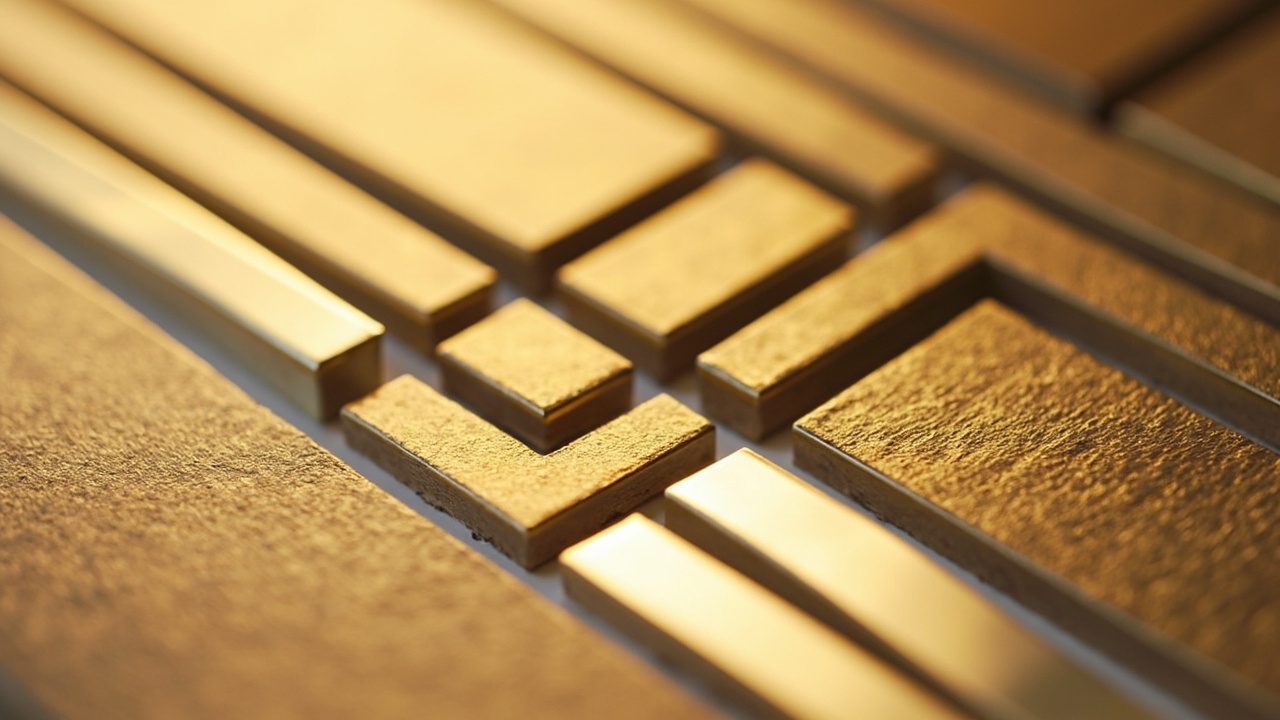
Stair nosing and transition strips are small components in budget terms but disproportionately important in safety and finish terms. The nosing protects the edge of the step where most foot traffic wears the surface away, provides the anti-slip surface that prevents falls, and visually defines each tread. The transition strip covers the joint between two floor materials and absorbs the small differential movement that would otherwise crack the finish. Both items are produced in enormous variety in China, and this guide helps project buyers specify them so they perform their function rather than simply fill a line on a bill of quantities.
Choosing the base material
Three base materials cover almost every project requirement. Aluminum nosing is the workhorse: light, corrosion-resistant, available in anodized colours from bronze to black, and strong enough for high-traffic commercial stairs. Brass nosing costs more but offers a premium aesthetic for hospitality and heritage projects and naturally develops a patina that hides scratches over time. PVC or rigid vinyl nosing is the budget option, suited to light residential use or temporary installations, and it accepts coloured anti-slip inserts that match the surrounding floor. For commercial and public stairs, an aluminum or brass base with a carborundum or silicon-carbide anti-slip insert is the specification that consistently performs.
Anti-slip inserts and the slip-test figure
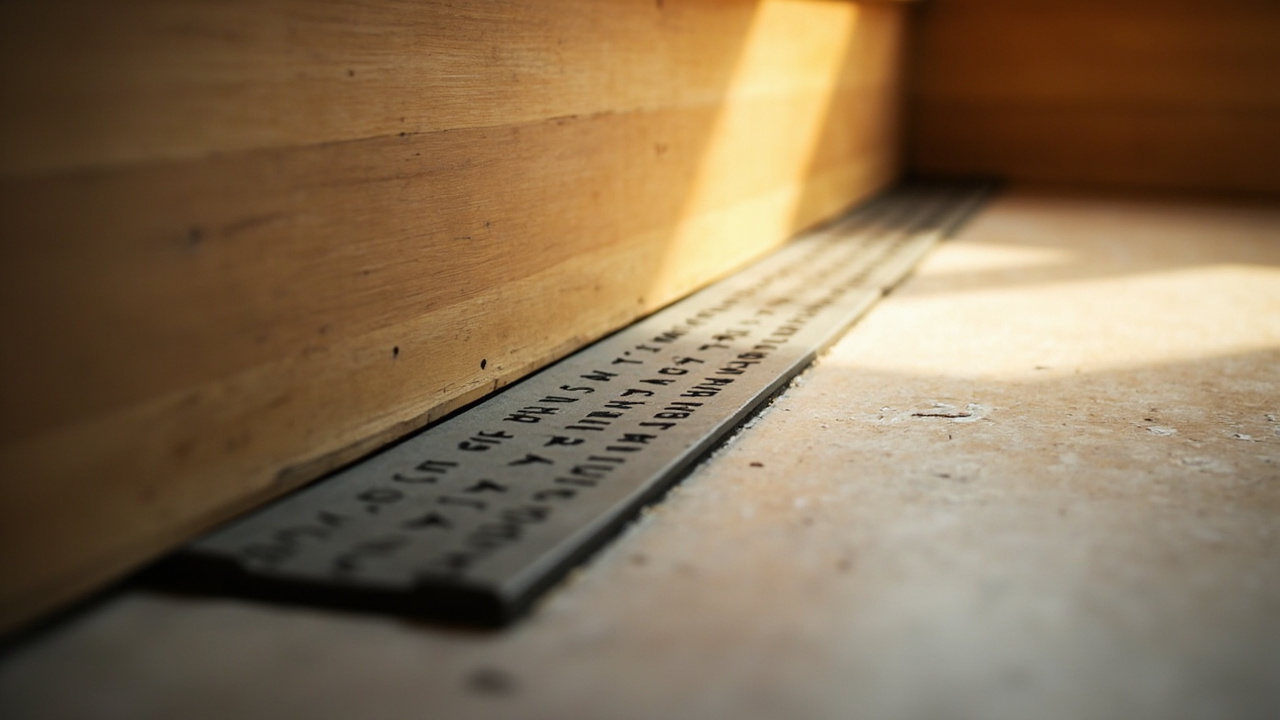
The anti-slip insert is the working surface of the nosing, and its performance should be specified by a slip-test figure, not by description. The two common references are the pendulum test value, where a rating of 36 or higher in the wet condition indicates low slip potential, and the DIN 51130 R-rating, where R10 is the minimum for normal traffic stairs and R11 for wet or external stairs. Carborundum inserts reach R11 comfortably; rubber inserts typically reach R10 and offer a warmer appearance for hospitality interiors. Avoid PVC inserts on commercial stairs entirely, because they polish smooth within months under heavy traffic.
Profile sizes, colour matching and radius bending
The profile dimensions must match the floor build-up. For tile and stone stairs, the nosing usually sits on the tread surface with a 25 to 40 millimetre exposed face and a small lip that hooks over the riser; for carpet stairs, a deeper L-shape grips the tread and riser together. Colour matching matters more than buyers expect: anodized aluminum comes in a limited but stable colour range, while powder-coated profiles can be matched to any RAL reference, though powder coating wears at high-traffic edges and is best avoided on the walking surface. For curved stairs or spiral exits, ask whether the factory offers radius bending; many will pre-curve aluminum profiles to a specified radius, which saves difficult on-site work and gives a cleaner result.
MOQ, packing long profiles and shipping damage
Extruded profiles are sold by the linear metre, with minimum order quantities that depend on whether the profile is a stock line or a custom extrusion. Stock profiles have low MOQs, often a few hundred metres, while custom shapes require a new die and a typical MOQ of one tonne of aluminum. The packing of long profiles is where most damage happens: a three-metre bundle of aluminum nosing shipped loose in a container will bend at the ends within the first sea motion. Insist on timber-backed bundles, with the profiles strapped to a wooden batten at 500-millimetre intervals and wrapped in kraft paper, and request a wooden crate for small bundles under fifty pieces. For mixed orders with tiles or sanitary ware, the long profiles should travel in a separate vertical pallet to prevent other cargo from crushing them.
Stair nosing and transition strips are not the place to cut corners, because the cost of a slip incident or a cracked floor joint dwarfs the saving. Specify the material, the slip rating, the profile size and the packing, and these small components will quietly do their job for the life of the floor.