






Importing Medical Grade Sanitary Ware from China for Healthcare Projects
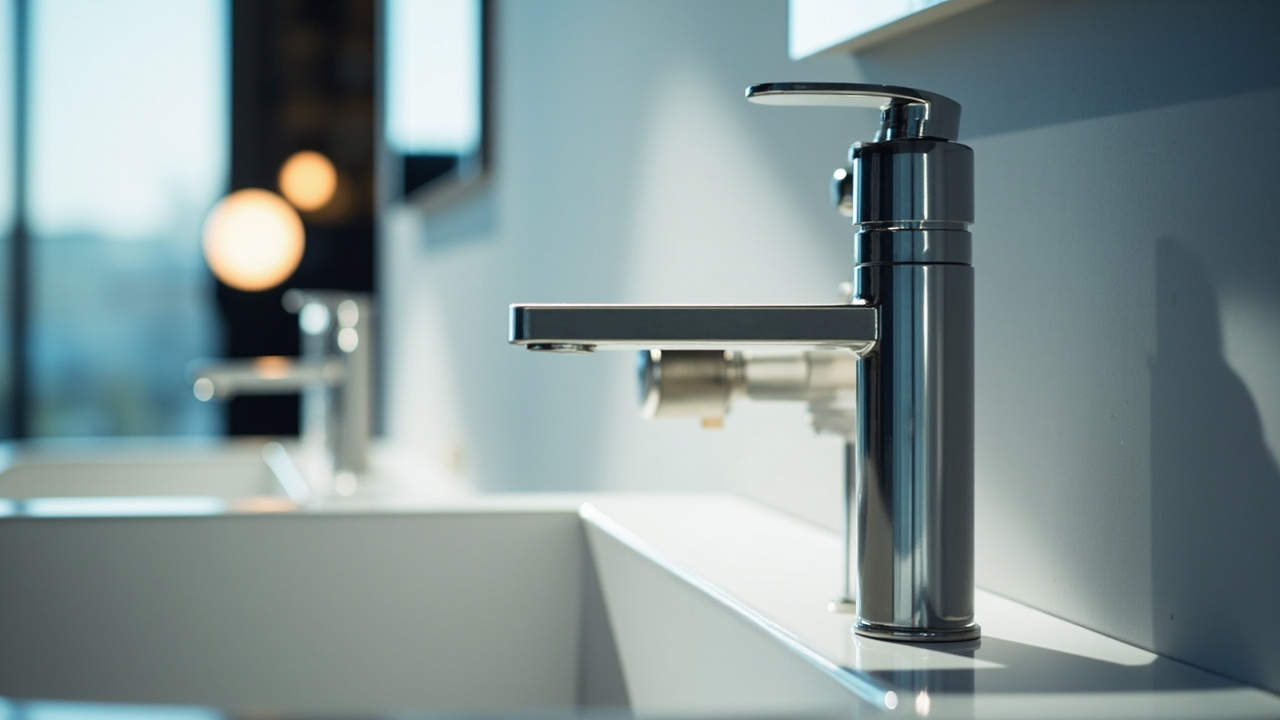
Healthcare projects impose a set of demands on sanitary ware that ordinary residential or hotel products simply cannot meet. Taps must start and stop without being touched, toilets must flush without a hand on a lever, basins must shed disinfectants without pitting, and grab bars must carry the full weight of an unstable patient. China now manufactures all of these to international clinical standards, but the line between a product that passes an infection-control audit and one that fails it is precise and easy to miss. This guide explains the specification points that matter for clinics, hospitals and care homes.
Sensor faucets and the question of reliability
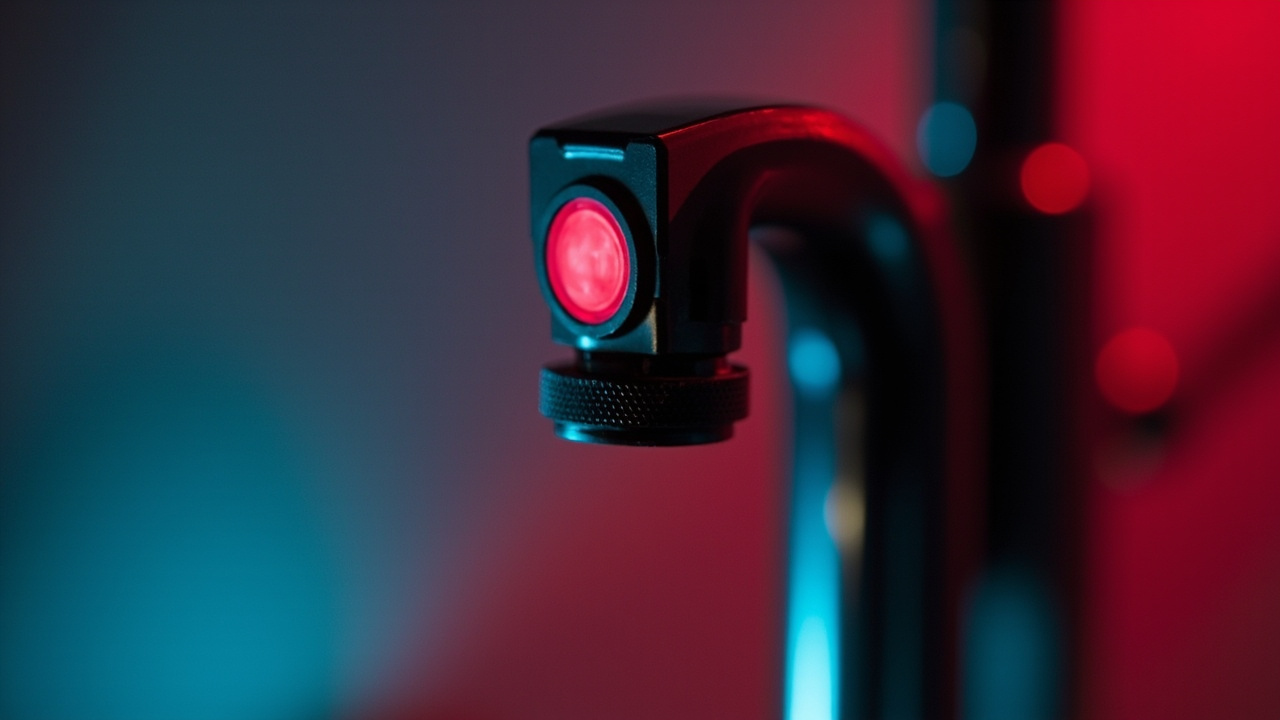
A medical sensor faucet must combine touchless activation with a solenoid valve rated for hundreds of thousands of cycles, because a faucet that stops sensing in a busy ward becomes a contamination vector within hours. The key components to specify are the infrared sensor range, ideally adjustable between 80 and 200 millimetres to suit different basin depths, the solenoid valve brand, and the power source. Mains-powered units with battery backup are preferred over battery-only models, because in-patient areas cannot tolerate a faucet that goes silent when a battery dies. Ask the factory for the mean time between failures data and for the IP rating of the control box, which should be at least IP65 for splash exposure.
Anti-bacterial toilets and sensor flushing
For toilets in clinical areas, two features separate medical grade from general commercial. The first is an anti-bacterial glaze fired into the ceramic at high temperature, often based on silver-ion or zinc compounds, which inhibits bacterial growth on the surface between cleans. Request the antibacterial activity test report, usually performed against Escherichia coli and Staphylococcus aureus, and look for an antibacterial activity value above 95 percent. The second is touchless flushing, either wall-mounted infrared sensor or foot-pedal, that removes the last hand contact surface from the cubicle. Rimless bowl designs are strongly preferred for medical use, because they eliminate the inner rim channel where bacteria and biofilm accumulate.
Stainless steel basins, grab bars and barrier-free design
Stainless steel basins, typically grade 304 with a satin finish, are the standard for scrub sinks, dirty utility rooms and treatment areas, because the material resists the aggressive disinfectants used in clinical cleaning and does not chip like ceramic. Specify a minimum thickness of 1.2 millimetres and a fully welded, not folded, corner construction to prevent stress cracking under thermal cycling. Grab bars in barrier-free bathrooms must carry a static load of at least 150 kilograms per the relevant code, must be made of stainless steel or antibacterial-coated aluminium, and must be anchored to the wall structure, not to the plasterboard. Confirm the bar diameter is between 32 and 38 millimetres, the range that is comfortable for an adult grip and compliant with most accessibility codes.
Certification, MOQ and project packaging
Healthcare sanitary ware should carry certification appropriate to the destination market: WaterMark or cUPC for plumbing fixtures, CE for the European construction products regulation, and FDA-equivalent materials compliance for any product that contacts skin or potable water. Sensor products additionally require electrical certification such as CB or UL. Because medical projects are often phased, confirm the factory will hold stock of spares and replacement cartridges for at least five years after delivery; a faucet that cannot be repaired five years on is a liability for a hospital maintenance department. Finally, request individual carton packing with the certification mark printed on each box, because auditors will check packaging as well as the product itself.
Medical-grade sanitary ware is specified component by component, not by catalogue page. Define the sensor reliability, the antibacterial test data, the load ratings and the certifications, and the sanitary ware delivered to the healthcare project will pass both the infection-control audit and the patient-experience review.