





Importing Door Frames from China: Aluminum, Wood and MDF Architrave
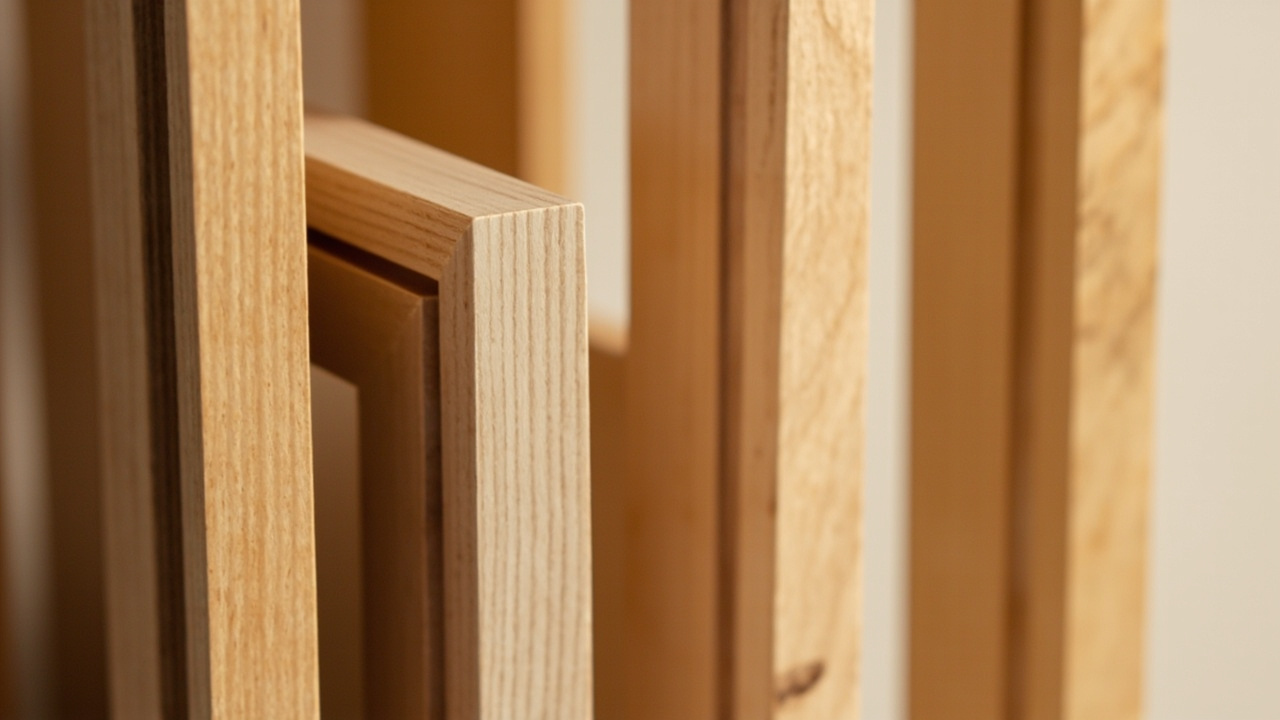
The door frame is the structural element that turns a hole in a wall into a functioning doorway, and it carries the door hinge, the lock strike, the weather seal and the architectural trim in a single assembly. A poorly chosen frame causes sagging doors, jamming locks and cracked architrave within months of installation. China produces door frames in every major material, from aluminum and solid wood to wrapped MDF and fire-rated steel, and the choice depends as much on the wall build-up as on the door itself. This guide explains how to specify frames that last as long as the building.
Four frame materials and the walls they suit
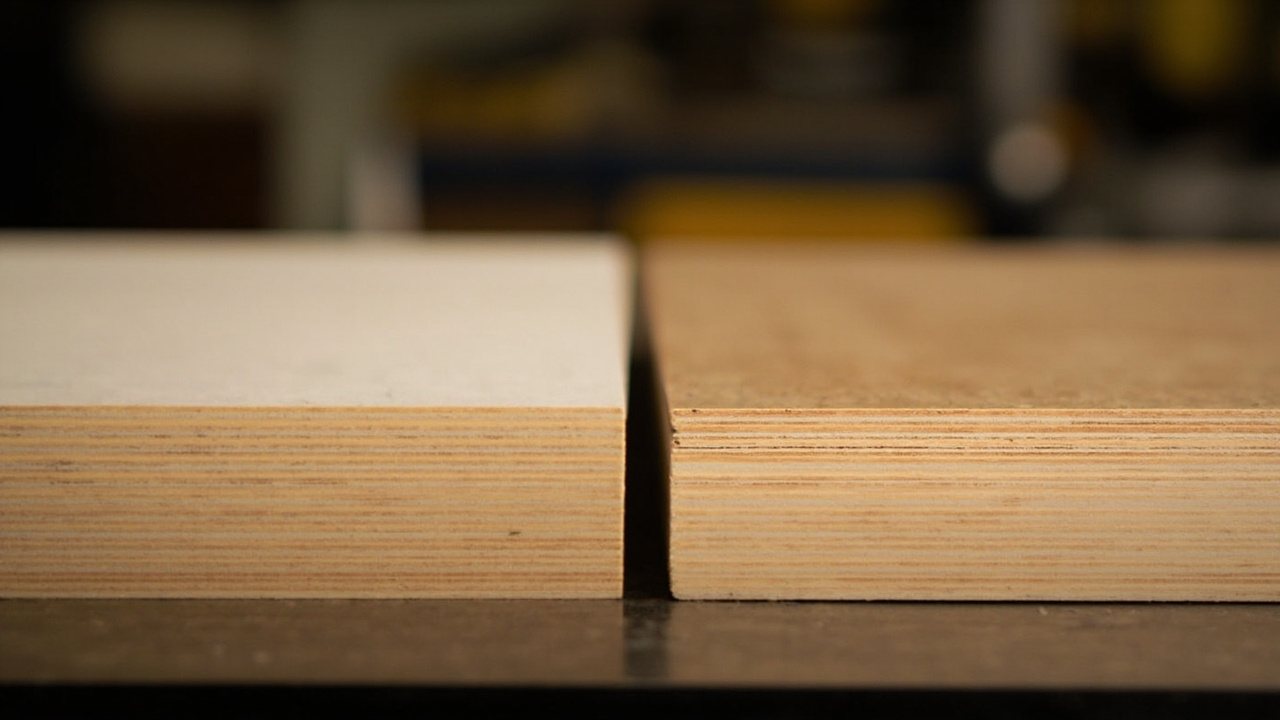
Aluminum frames, extruded from architectural-grade alloy and anodized or powder-coated, are the standard for commercial entrances, hospital corridors and humid environments where timber would swell; they pair naturally with aluminum and glass doors. Solid wood architrave frames, machined from hardwood or engineered timber, suit premium residential and heritage projects where the frame is part of the visible joinery. Wrapped MDF frames, where a foil or veneer is pressed onto a medium-density fibre core, are the dominant choice for hotel and apartment interiors because they match the door finish exactly at a moderate cost. Fire-rated frames, usually steel with an intumescent seal, are mandatory wherever the door is part of a fire compartment, and they must be specified as a tested pair with the matching fire door.
Adjustable frames and the wall build-up
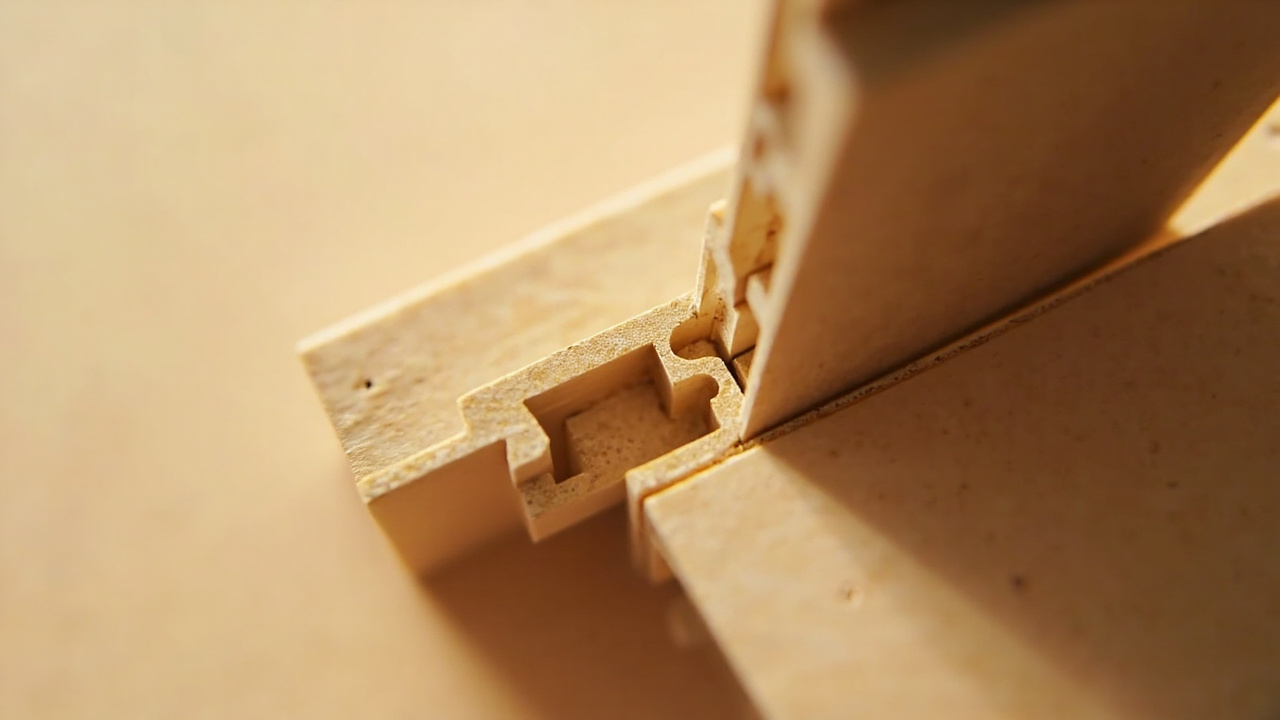
Modern walls come in many thicknesses, from 75-millimetre metal stud partitions to 200-millimetre masonry walls, and the frame must accommodate the actual wall on site. An adjustable frame, with telescopic jambs that expand to cover a range of wall thicknesses, is the safe choice for retrofits and for projects where the wall tolerance is not tightly controlled. For new build with a precise wall dimension, a fixed-depth frame gives a cleaner result and a tighter seal. Always confirm the wall thickness and the architrave return depth before ordering, because a frame built for the wrong wall depth cannot be modified on site and must be reordered.
Fire-rated frames and the tested pair rule
The single most important rule in fire door specification is that the door, the frame and the hardware must be a tested assembly, certified together under a single fire test report. Mixing a fire-rated door with a non-rated frame voids the certification entirely, and a building inspector will fail the installation on sight. When sourcing from China, request the fire test certificate for the exact door and frame combination, confirm the intumescent seal is installed at the factory or specified in the installation instructions, and verify that the hinge and lock hardware carry the same certification marking. A fire door is only as good as the frame it sits in, and a non-compliant frame turns a fire door into a very expensive ordinary door.
Casing sets, matching the door, MOQ and packing
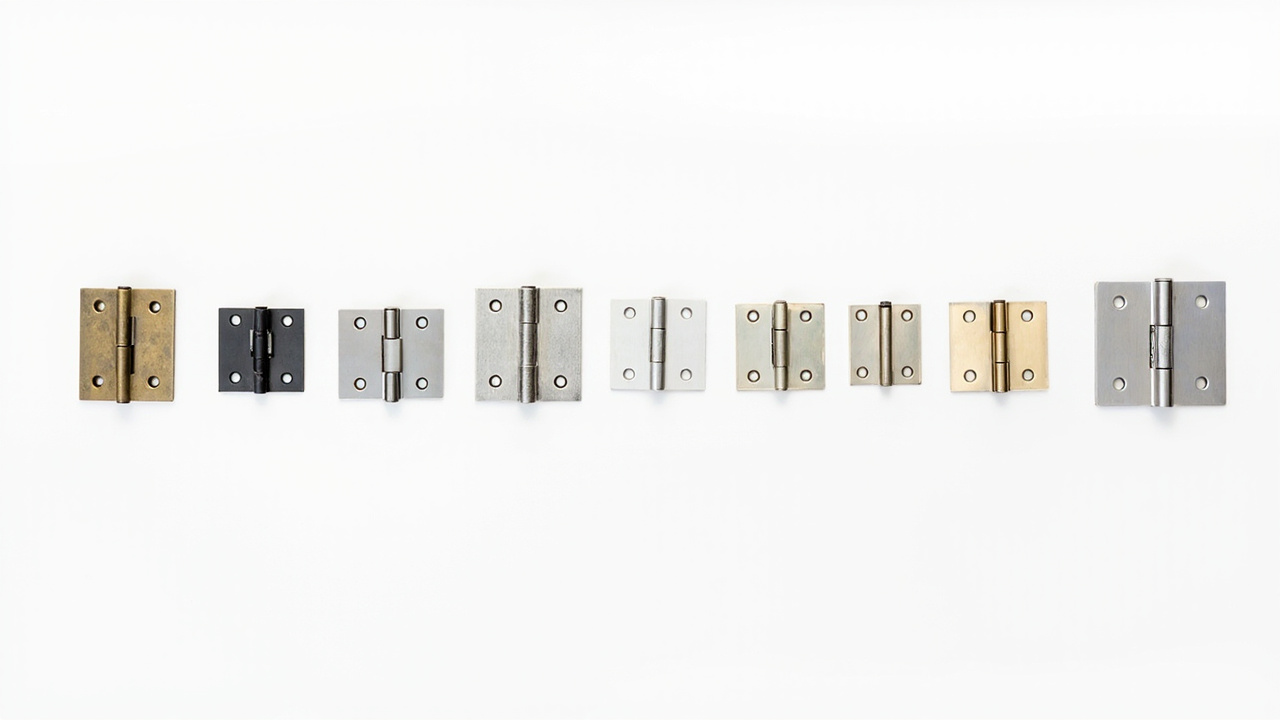
A door frame order should be quoted as a complete casing set, including the two vertical jambs, the head, the stop, the architrave, and any sill or threshold piece. Confirm whether hinges, strike plates and seals are included or supplied separately, because sourcing these small items from a different supplier often causes finish mismatch. When matching frames to doors, request that both are produced in the same batch and the same finish, particularly for wrapped MDF, where a batch difference shows as a visible colour shift at the junction. The minimum order quantity for stock profiles is low, while custom profiles require a new extrusion die or veneer pressing setup and a typical minimum of a few hundred sets. Finally, long architrave profiles must travel in a timber crate with battens every 500 millimetres, because loose bundles bend in transit and a bent architrave cannot be straightened on site.
A door frame is the foundation of a working doorway, and a frame that matches the wall, the door and the fire code is the foundation of a trouble-free opening. Specify the material, the wall depth, the fire rating and the complete casing set, and the frames delivered will hold the door plumb and the lock aligned for the life of the building.