





Importing Ceramic Roof Tiles from China: Spanish, Flat and Interlocking Profiles
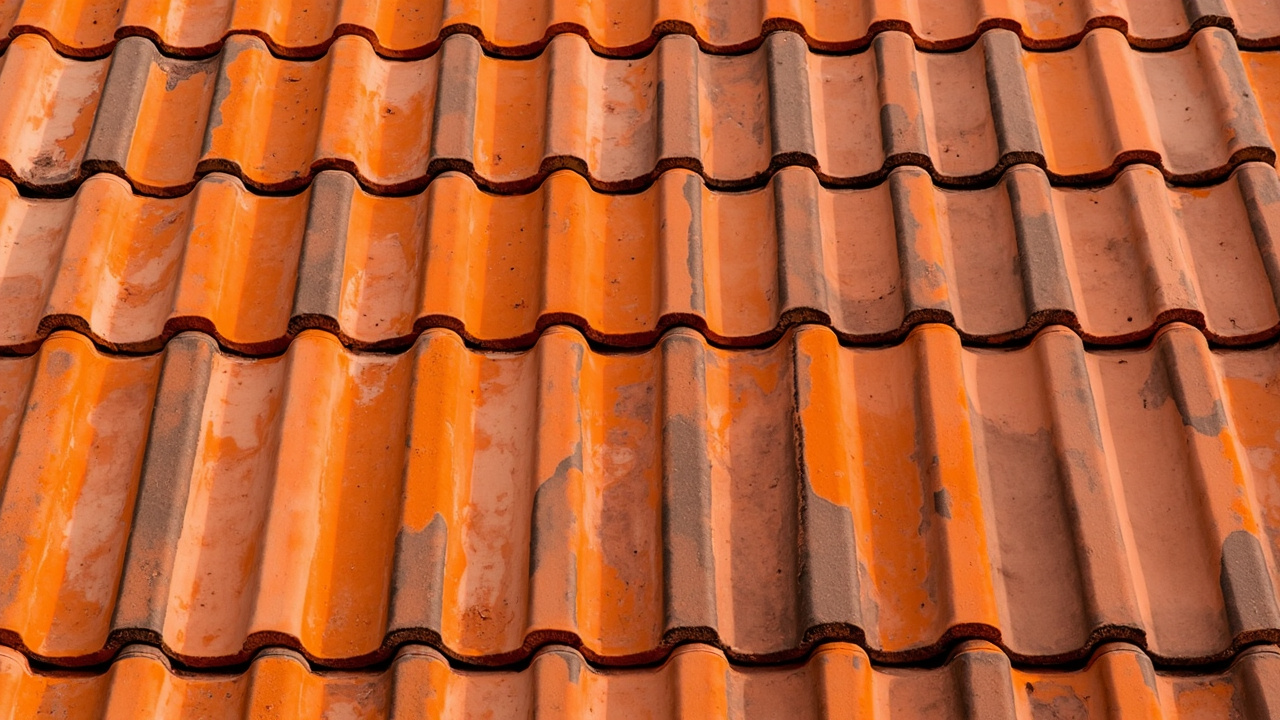
A ceramic roof tile is one of the few building materials that is expected to outlast the building it covers, with a service life measured in decades rather than years. China is now a leading exporter of ceramic and clay roof tiles, producing profiles that imitate the traditional Spanish, French and Mediterranean styles at a fraction of the European cost. Selecting the right tile, however, requires more than choosing a profile photograph. This guide covers the specification points that determine whether the roof performs for fifty years or fails after the first hard frost.
Three dominant profiles and their physics
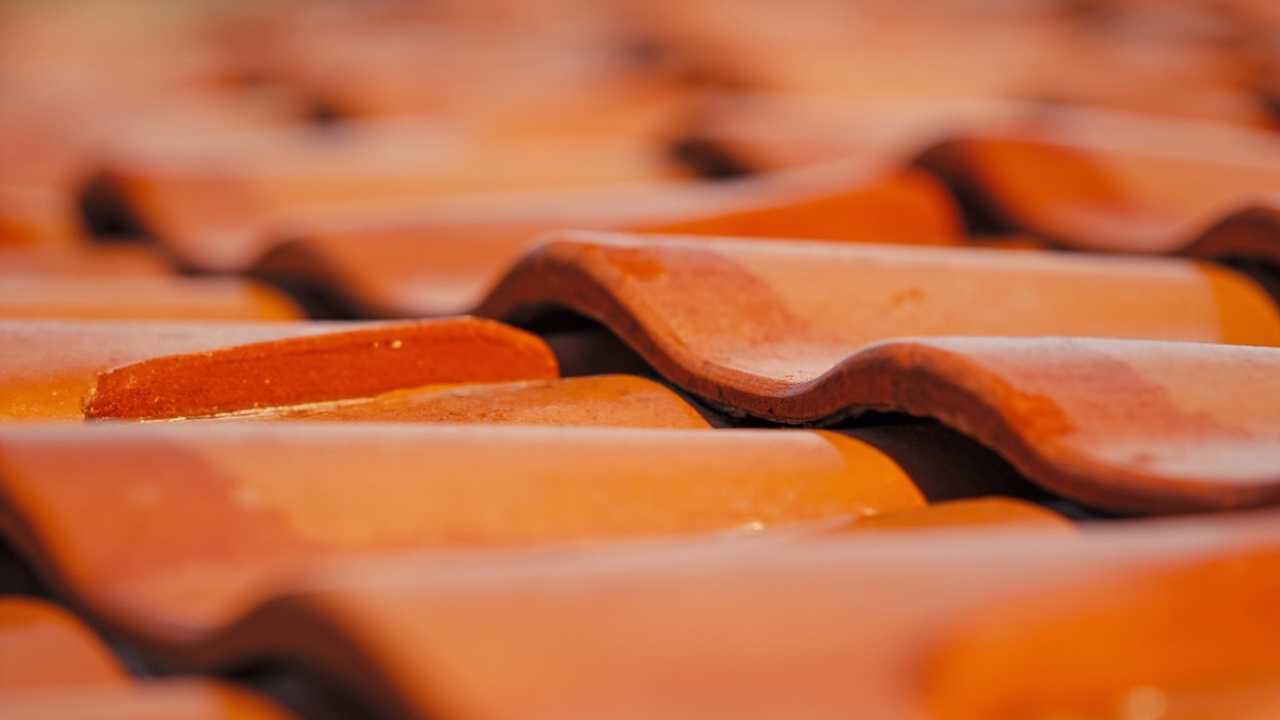
The Spanish or S-curve tile, with its undulating shape, sheds water efficiently and tolerates lower roof pitches down to 20 degrees, which makes it the standard for warm-climate villas. The flat shingle tile relies on a tight overlap and a minimum pitch of 35 degrees to keep water out, and it offers the clean architectural line favoured by contemporary design. The interlocking tile, with side and head locks that click together, is the most weather-tight profile and is the right choice for exposed coastal roofs and for pitches as low as 15 degrees when the lock is engineered for it. Each profile places a different weight per square metre on the structure, and the design must be checked for the load before the order is placed.
Clay versus ceramic, and why the firing matters
The terms clay tile and ceramic tile are often used interchangeably, but the firing temperature is what truly separates them. True ceramic tiles are fired above 1000 degrees Celsius, which vitrifies the body and reduces water absorption below 3 percent, the threshold below which a tile becomes effectively frost-resistant. Lower-fired clay tiles absorb 6 to 10 percent water, and in cold climates the absorbed water freezes, expands and shatters the tile within a single winter. For any project in a region that experiences frost, specify a water absorption rate below 3 percent and request the test certificate; for warm-climate projects, the threshold can be relaxed to 6 percent, but frost performance remains the best single indicator of overall tile quality.
Glaze quality, weight and batten spacing
The glaze on a ceramic roof tile controls both appearance and long-term water shedding. A quality glaze is evenly applied, fully vitrified and free of pinholes or crazing, the fine surface cracks that appear when glaze and body expand at different rates. Inspect a physical sample under raking light to detect crazing before it becomes a warranty problem. Weight per square metre typically ranges from 40 to 55 kilograms for ceramic tiles, which is heavy enough to require a structural calculation of the roof, especially when retrofitting onto a frame designed for lighter materials. The batten spacing must match the tile headlap exactly, because a batten laid at the wrong gauge leaves the tile unsupported and causes it to crack under foot traffic or snow load; always request the manufacturer batten gauge chart and pass it to the roofing contractor.
Accessories, MOQ and breakage allowance
A roof is not finished with field tiles alone. The accessories list should include ridge tiles, hip starters, vent tiles, half-tiles for edges and gable terminations, and each accessory must be produced in the same glaze and firing as the field tile to avoid colour mismatch. Because accessories are produced in smaller runs, confirm the factory holds matching stock or will produce them in the same batch as the main order. The minimum order quantity for ceramic roof tiles is typically a full 20-foot container, which covers roughly 150 to 200 square metres of roof depending on the profile. Finally, budget a breakage allowance of three to five percent for installation cuts and for replacement stock to be held on site for future repairs, because a broken tile cannot be sourced years later in a matching glaze.
A ceramic roof is a generational investment, and the tile that performs for decades is the one specified with care. Define the profile, the firing, the glaze, the batten gauge and the full accessories list, and the roof will look as good in its fiftieth year as it did on the day it was laid.