





Importing Cement Boards from China: Fiber Cement and Calcium Silicate
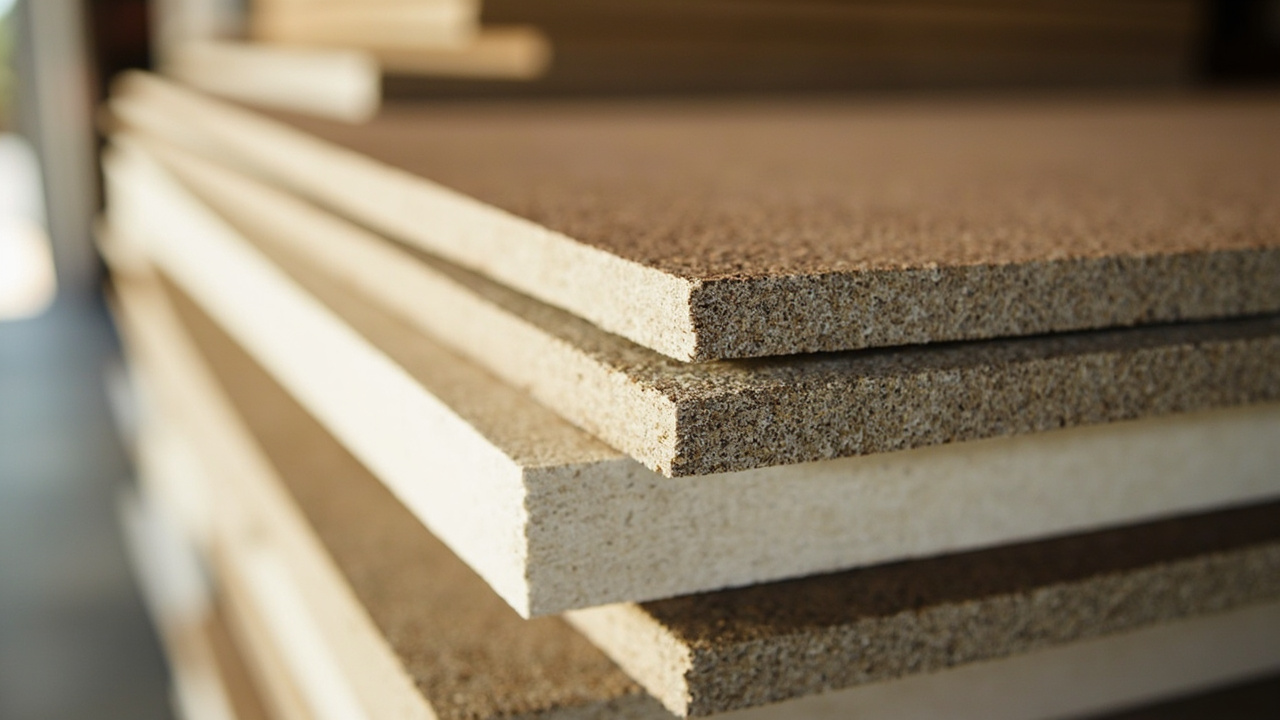
Cement boards are the quiet workhorses of modern construction, hidden behind tiles, render and cladding where they carry the loads, resist the moisture and stop the fire that the visible finish cannot. China is the largest global producer of both fiber cement and calcium silicate boards, and the two materials are often confused because they look identical in a photo. They are, however, engineered for different purposes, and choosing the wrong one turns a reliable wall into a recurring maintenance problem. This guide explains how project buyers should specify cement boards so they perform for the life of the building.
Fiber cement versus calcium silicate: two different jobs
Fiber cement board is a mixture of Portland cement, cellulose fibre, sand and water, cured under high pressure and temperature to form a dense, tough sheet. Its strength is its balance of moisture resistance, dimensional stability and impact resistance, which makes it the default substrate for wet-area tiling, external render backer boards and façade cladding. Calcium silicate board is made from silica, lime and reinforcing fibre, autoclaved to create a low-density, highly fire-resistant sheet. Its strength is thermal performance: it holds its integrity at temperatures where fiber cement fails, and it is the correct choice for fire-rated partitions, duct enclosures and boiler rooms. Specifying the wrong board for the job is the single most common sourcing error.
Thickness, density and the load they carry
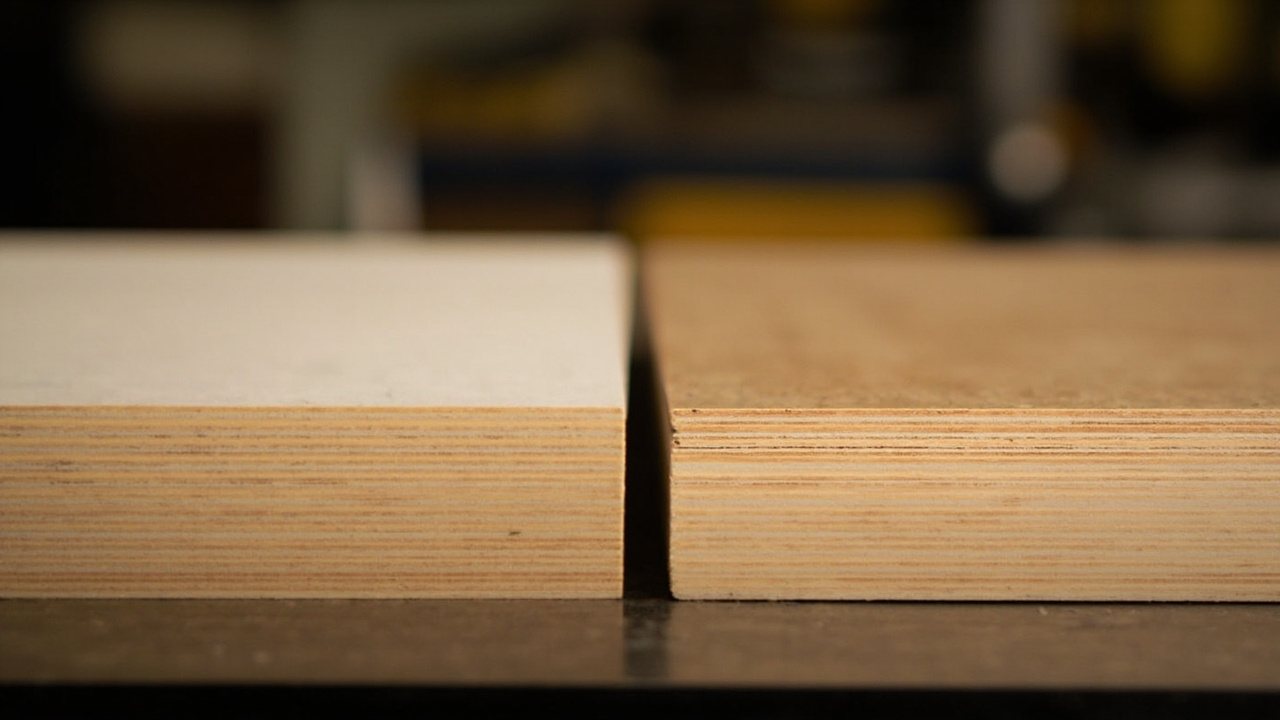
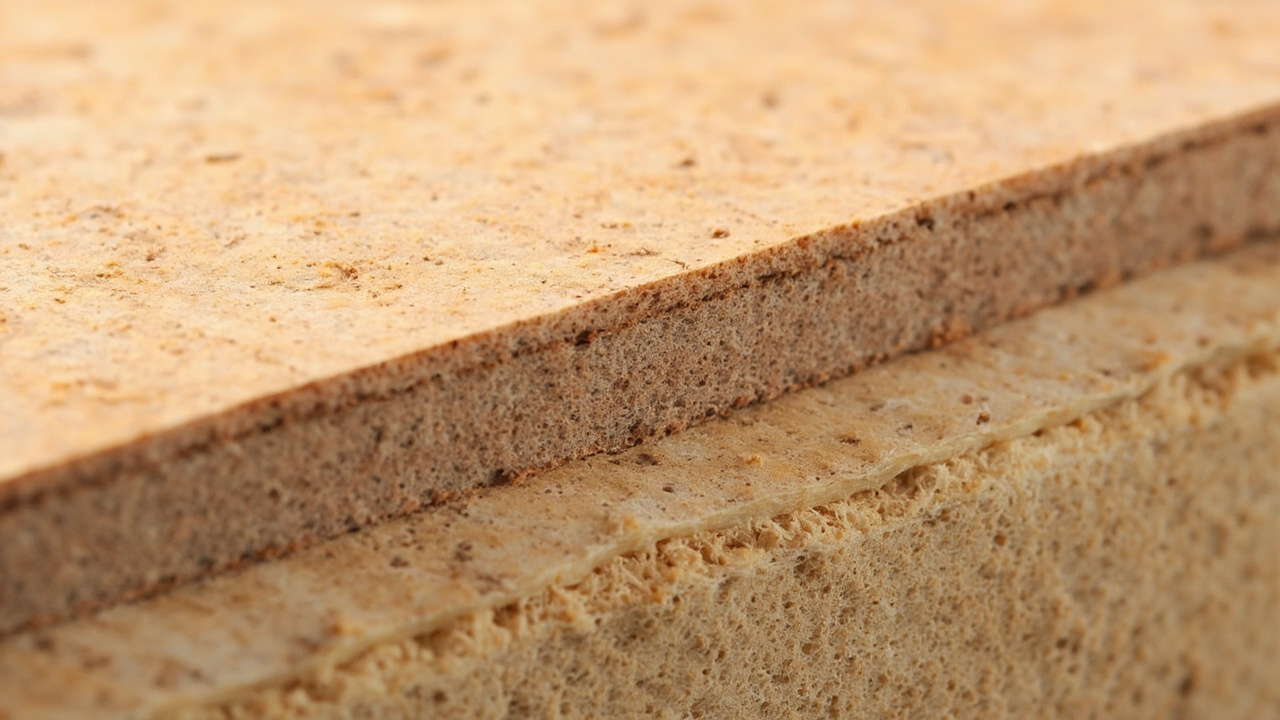
The two figures that define a cement board are thickness and density, and both must be specified. Thickness ranges from 4 millimetres for under-tile backer up to 18 millimetres for structural sub-flooring, with 6 and 9 millimetres covering most wall applications. Density, measured in kilograms per cubic metre, separates the light interior grades from the heavy-duty exterior grades: a typical interior board sits around 1100 kilograms per cubic metre, while an exterior-grade board reaches 1500 to 1600. The combination determines the load the board can carry between studs, the screw-holding capacity and the sound insulation, so a wall designed around one density may not perform if the supplier quietly substitutes a lighter board to win the order.
Fire rating, moisture resistance and asbestos-free certification
Three certificates should accompany every cement board order. The first is the fire rating certificate, typically EN 13501 Class A1 or A2 for a non-combustible board, with the test report naming the assembly thickness and the joint treatment, because a board tested alone is not a wall tested as a system. The second is the moisture resistance data, expressed as the swelling rate after 24 hours of water immersion; a quality board swells less than 1.5 percent, and any higher figure will cause tile cracks in a shower. The third, and non-negotiable for any market with health regulation, is the asbestos-free certification, an independent laboratory report confirming the board contains no asbestos fibres. Reputable Chinese factories supply this as standard and will refuse to ship without it, but the buyer must ask to see it before paying the deposit.
Cutting, MOQ and container loading
Cement boards are dusty and abrasive to cut, so on-site productivity depends on the right tools: a score-and-snap knife for boards up to 8 millimetres, a circular saw with a diamond blade for thicker boards, and always a dust mask and extractor. For factory-processed orders, ask whether the supplier offers pre-cut panels to the project dimensions, which removes the on-site cutting entirely and improves finish quality. The minimum order quantity for stock boards is low, but custom sizes or colours require a pallet minimum. Container loading is the final consideration: cement boards are dense and a 40-foot container easily reaches its 26-tonne weight limit before it is full by volume, so the container calculation must be done by weight, not by cubic metres, to avoid an unexpected split shipment.
Cement boards perform only when they are correctly specified, and the cost of a wrong choice shows up years later as cracked tiles, failed fire tests or wet-area mould. Lock the material, the thickness, the density, the certificates and the weight-based container calculation, and the boards will quietly do their job behind the finish for the life of the building.