





Importing Building Materials for the First Time: A Step-by-Step Roadmap
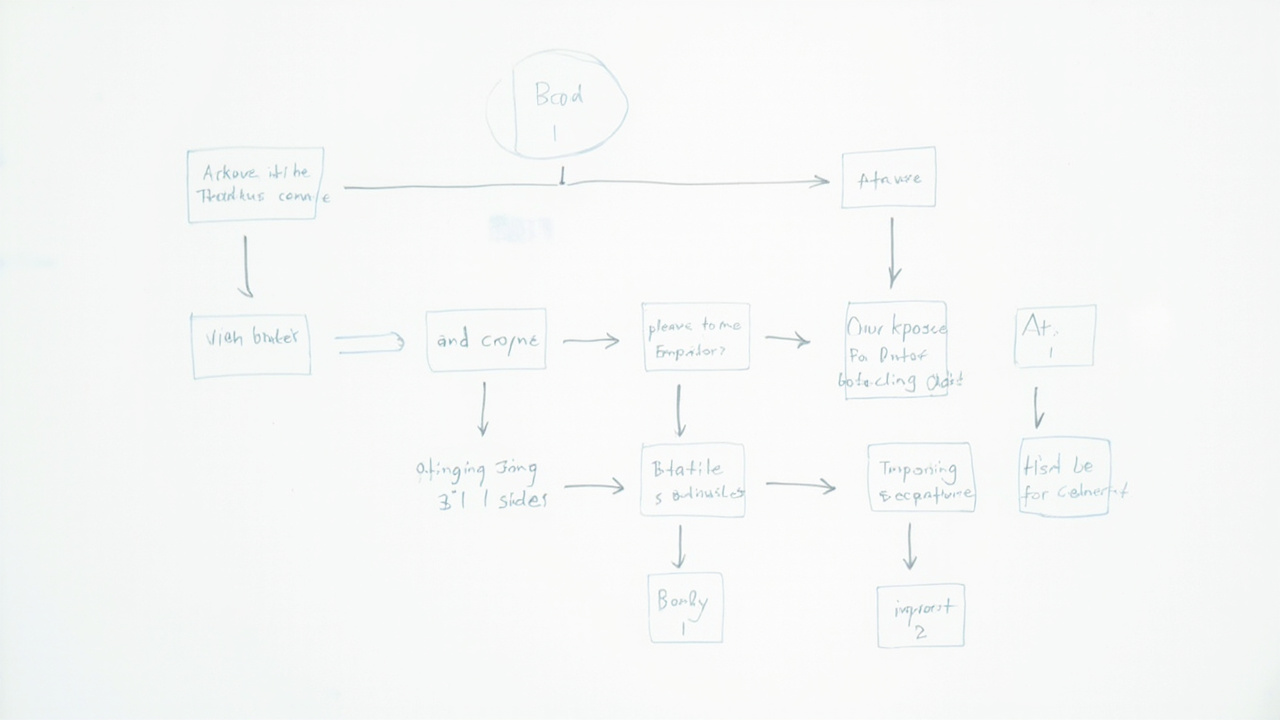
The first container of building materials is the project where most importers pay the highest tuition. Prices look low in a catalogue, samples look acceptable on a desk, and the gap between that comfortable impression and a delivered, customs-cleared pallet is precisely where beginners lose money. This roadmap lays out the path from product research to a container sitting in your warehouse, broken into stages with the budget questions, timeline expectations and decision points that separate a smooth first order from an expensive lesson.
Research, supplier shortlisting and specification
Every successful import begins with a specification, not a catalogue. Before contacting a single factory, decide what you actually need: the product, the dimensions, the material grade, the finish, the load or performance rating, the certification required for your market, and the approximate annual quantity. A clear specification lets you compare factories on equal terms and filters out suppliers who cannot meet it. Shortlist three to five factories, request a formal quotation with EXW and FOB pricing, minimum order quantity, lead time and packaging, and ask for evidence of certifications rather than logos. The quotation stage is where you learn which suppliers answer precisely and which send boilerplate; precise answers are an early signal of a supplier worth pursuing.

Sampling, factory audit and the purchase order
A quotation is a claim; a sample is evidence. Order samples for any product that will sell in volume, and pay for a factory audit before placing the first order, because an audit report covering production capacity, quality control and export experience is cheaper than a container of unusable goods. With the audit and sample approved, sign a purchase order that locks the specification, price, lead time, payment terms, packaging, inspection right and shipping Incoterm. The purchase order is the contract, and every clause that is vague at this stage becomes an argument later. Insist on a pre-shipment inspection clause even on the first order, because the right to inspect before payment is the only leverage that works once the goods are packed.
Production, inspection and booking
Once the order is placed, production runs to the agreed lead time, typically fifteen to forty-five days for building materials depending on the product and quantity. During production, stay in touch but do not micromanage; a weekly photograph from the line is reasonable, daily demands are not. When production reaches eighty to one hundred percent complete, schedule the pre-shipment inspection under the AQL standard you agreed, and hold final payment until the report passes. With the inspection cleared, the freight forwarder books the vessel, the container is loaded under supervision, and the bill of lading is issued. The booking and loading window usually takes three to seven days, and any delay here cascades into the sailing schedule, so a competent forwarder is worth their fee.
Ocean transit, customs and delivery
Ocean transit is the long quiet stretch of the import, fifteen to thirty-five days depending on the route, and it is the time to prepare the customs paperwork rather than wait for the container to arrive. Gather the commercial invoice, packing list, bill of lading, certificate of origin, and any product-specific certificates required by your customs authority. When the container discharges, the customs broker files the entry, duties and taxes are paid, and the container is released for delivery. Customs clearance typically takes three to seven days under normal conditions. Budget for the duty rate, the value-added tax, the port handling charges, the customs broker fee and the inland trucking to your warehouse, because the landed cost is the number that decides whether the import made sense.
Budget, timeline and when to hire help
A realistic first-import budget includes the product cost, the domestic transport in China, the ocean freight, the insurance, the destination port charges, the duty and tax, the broker fee and the inland delivery, plus a contingency of ten to fifteen percent for the surprises that almost always appear. A realistic timeline from order placement to goods in warehouse is eight to twelve weeks, with the longest single segment being ocean transit. As for hiring help, the trigger points are clear: hire a sourcing agent when you cannot travel to China and cannot verify suppliers yourself, hire an inspection company when the order value justifies the few hundred dollars of an inspection report, and hire a customs broker whenever the import procedure is unfamiliar. The cost of professional help at each stage is a small fraction of the cost of a first-order mistake.
The first import is the project where habits form, and the habits worth forming are specification before catalogue, evidence before trust, contract before payment, and inspection before release. A buyer who follows this roadmap will still encounter setbacks, because international trade always delivers them, but the setbacks will be small and recoverable rather than structural. Treat the first container as a learning project with a written specification, a clear budget, a realistic timeline and the right professional help at the right moments, and it becomes the foundation of a sourcing programme that scales rather than a cautionary tale that ends the experiment.