





How to Verify a Chinese Building Material Supplier Before You Pay

The most expensive mistake in international sourcing is not a bad price — it is sending a deposit to a company that cannot deliver. Chinese export law and banking systems make it remarkably easy to send money out, and remarkably hard to claw it back once the receiving account is wrong or empty. Verification before payment is therefore not paranoia; it is the cheapest insurance you will ever buy.
Step 1 — Read the business licence
Every legitimate Chinese company holds a Unified Social Credit Code on its business licence. Ask for a clear scan of the licence and verify the code on the National Enterprise Credit Information Publicity System. Three things matter: the company name must match the bank account name on your proforma invoice exactly, the business scope must include "manufacturing" or "wholesale" of the product you are buying, and the registration status must be "active", not cancelled or under abnormal operation.
Step 2 — Insist on a live factory tour, in person or by video
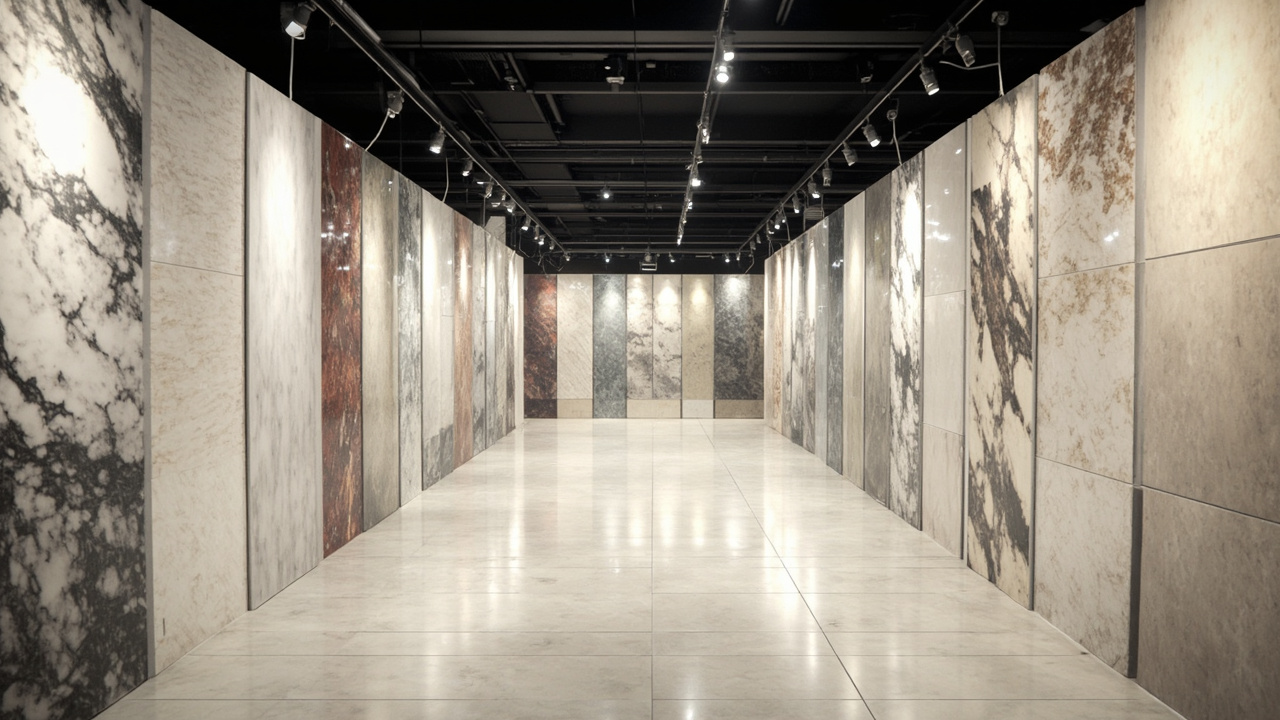
A trading company with a polished website can look like a factory, but it cannot show you the production line in real time. Book an unscripted video call and ask to see three specific things right now: the machine that makes your product, today's production batch with the current date, and the raw material warehouse. A genuine factory will walk the phone over; a shell will offer excuses about confidentiality. If you can, visit in person — the flight pays for itself the first time it prevents a bad deal.
Step 3 — Check export history and customer references
Ask for two recent export records (a bill of lading with the destination blurred, or a customs declaration). A factory that has shipped your product category to your region for three years is a very different risk from one whose first export is your order. Request a customer reference in a comparable market and actually call them — five minutes on the phone with a previous buyer tells you more than a hundred catalogue pages.
Step 4 — Validate the certificates
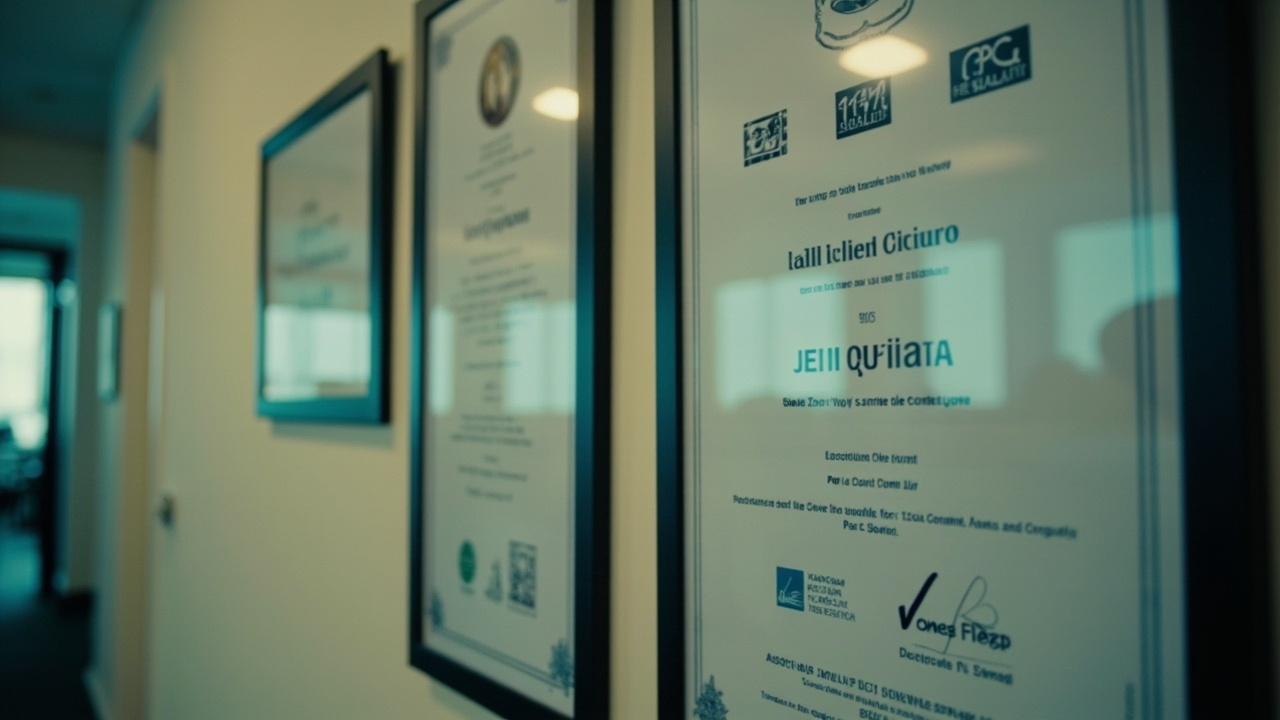
ISO 9001, CE, and product-specific marks are routinely faked or expired. For every certificate, take the certificate number and verify it on the issuing body's website — TÜV, SGS, Intertek and CE notified bodies all maintain online registries. Pay attention to the scope: an ISO 9001 for "trading" does not mean the same thing as one for "manufacturing". For CE, confirm the notified body number and the product category covered.
Step 5 — Confirm the bank account, then structure the payment
Before wiring, confirm that the beneficiary name on the bank account exactly matches the company name on the business licence, and that the account is a corporate account, not a personal one. A supplier asking for payment to a personal account is a red flag regardless of the excuse. Structure the payment in stages — typically 30 percent deposit, 70 percent against the bill of lading after inspection — and never pay 100 percent upfront to a first-time supplier. For larger orders, a letter of credit shifts the risk to the banks and is well worth the fee.
None of these five steps takes more than a few hours of focused work. Together they take a supplier from "claims to be a factory" to "demonstrably is one", and they do it before your money leaves your account. That is the only moment in the whole sourcing cycle when protection is still cheap.