





How to Import Kitchen Cabinets from China: A Practical Guide for Project Buyers

Importing kitchen cabinets from China is one of the fastest ways to cut 30 to 50 percent off a project budget, but the savings only materialise when every step of the process is handled with care. This guide walks through the workflow that experienced project buyers actually follow, from the first message to a supplier through to the day the container is unloaded at the destination port.
Step 1 — Define the scope before you contact anyone
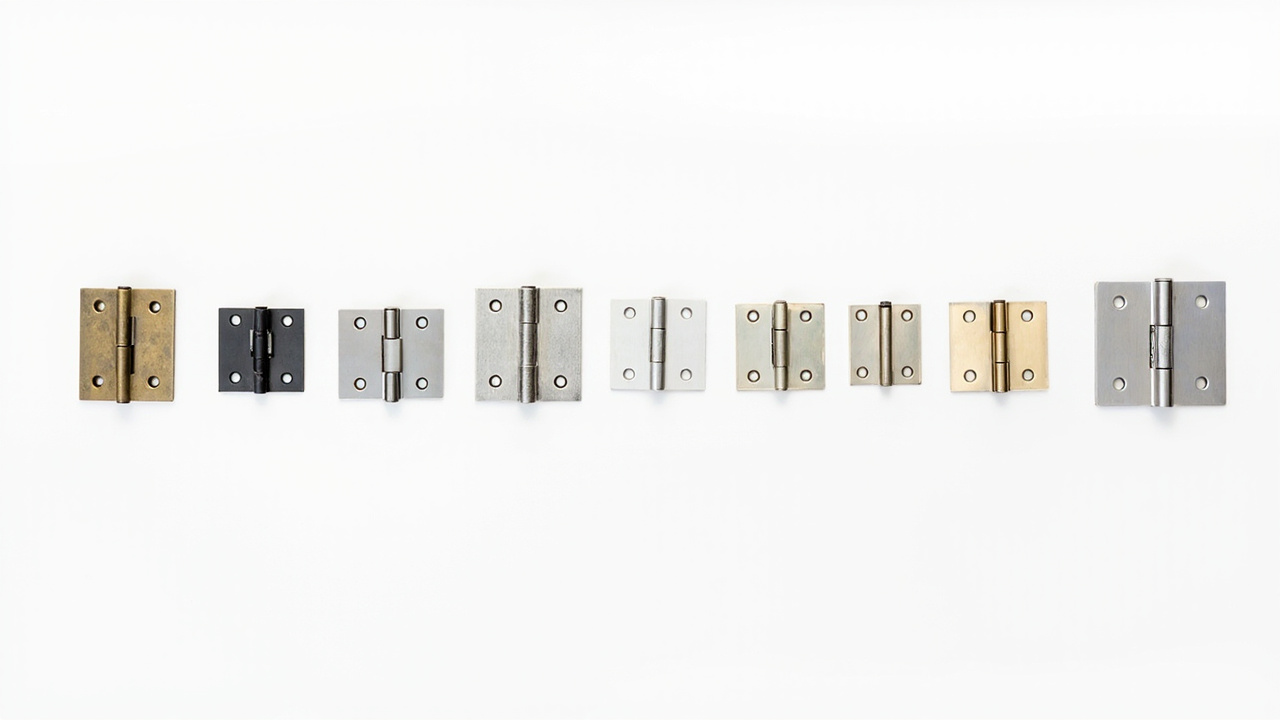
The single biggest cause of wasted time is a vague inquiry. Before writing to a supplier, prepare a short brief: the cabinet style (modern flat, shaker, classic framed), the door material (melamine, lacquer, solid wood, PET), hardware tier (entry-level vs. soft-close branded hinges), estimated quantity in linear meters or sets, and the target delivery country. A precise brief turns a "price upon request" reply into a real quotation within 48 hours.

Step 2 — Shortlist factories, not trading screenshots
A genuine factory will share a production video, a workshop address, and recent export records. Ask for photos of the actual assembly line and the edge-banding machines in use. Cabinets live or die by edge banding and hinge alignment, so the equipment behind the product matters more than the catalogue renderings.
Step 3 — Lock the spec with a sample
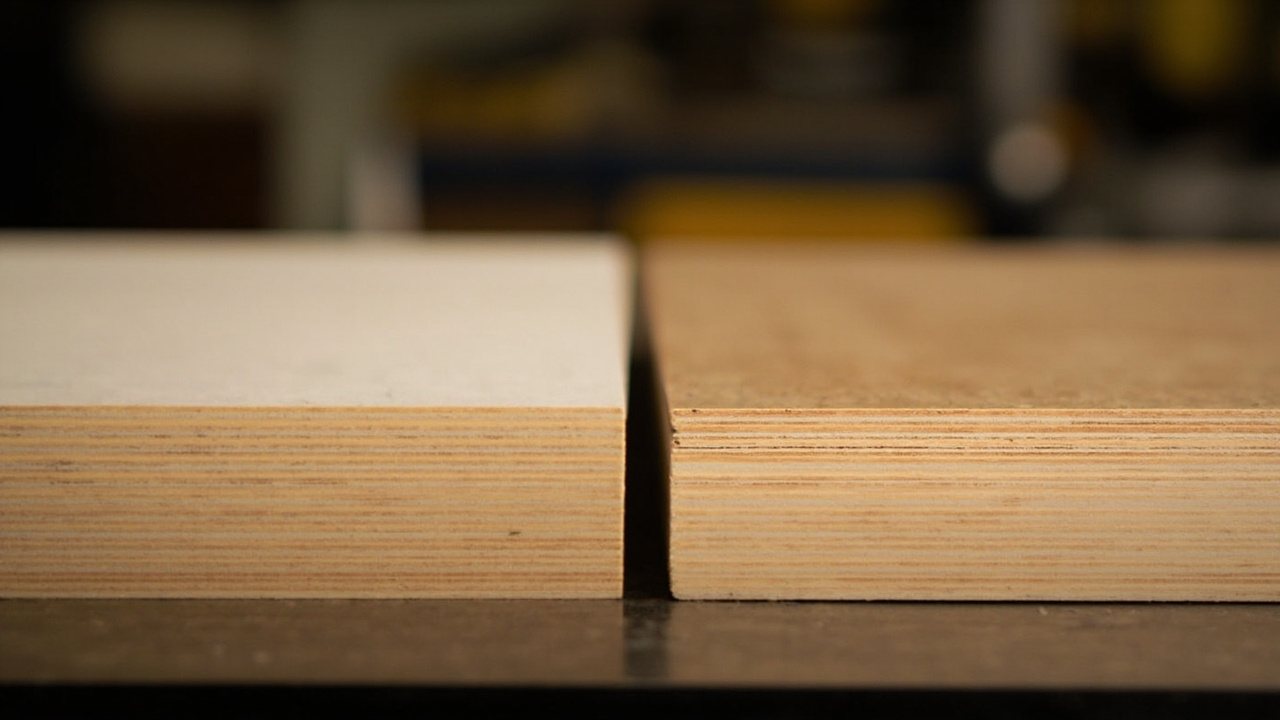
Never place a full-container order without a paid sample. The sample confirms four things at once: the colour match of the door panel, the thickness and texture of the board (16mm vs. 18mm particleboard or plywood), the quality of the PVC edge banding, and the feel of the hinges and drawer slides. A sample that costs 200 dollars can protect an order worth twenty thousand.
Step 4 — Production, inspection and loading
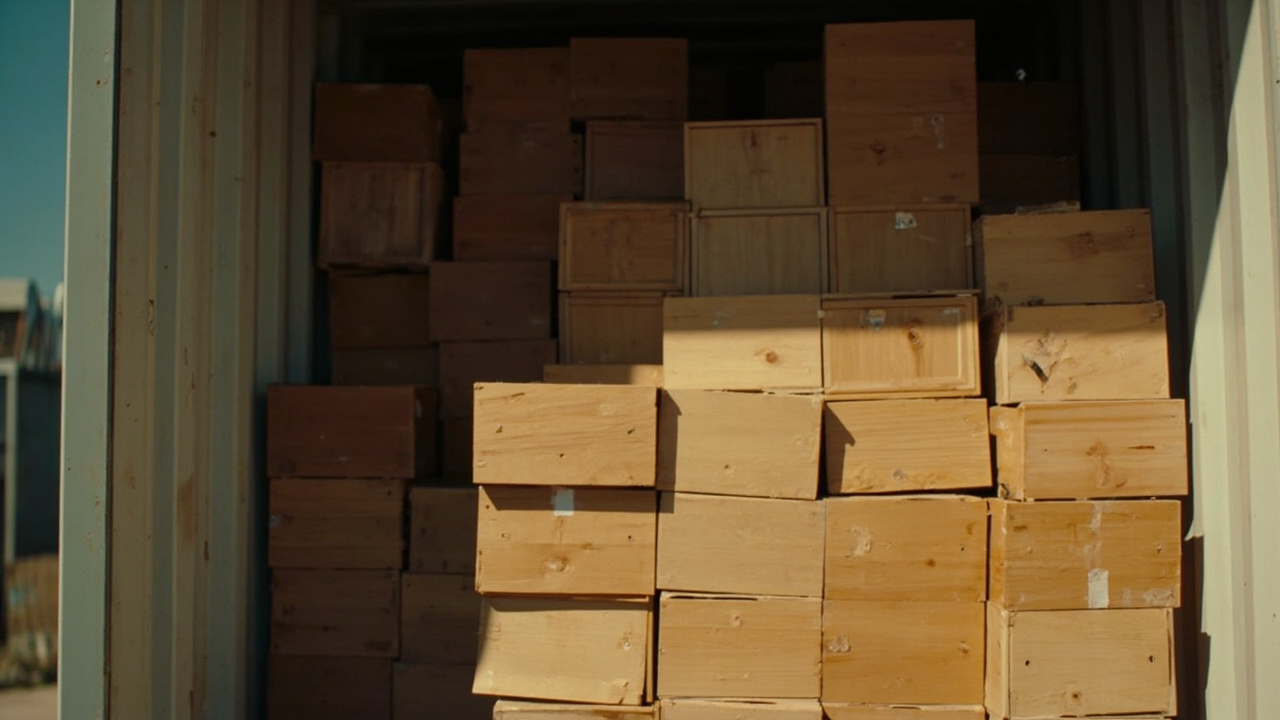
During production, request weekly progress photos. When the order is 80 percent complete, book a pre-shipment inspection that checks moisture content of the boards, door panel colour consistency across batches, hinge opening-and-closing cycles, and carton marking. Finally, supervise the container loading — flat-pack cartons must be stacked tightly and strapped to prevent shifting that cracks panels during three weeks at sea.
Step 5 — Freight, customs and door delivery
Most cabinet orders ship as FCL (a full 20-foot or 40-foot container) rather than LCL, because shared containers risk crushing damage. Work with a freight forwarder who understands building materials and can quote FOB Shanghai or Ningbo to your nearest port, plus inland haulage. Have the packing list, commercial invoice and certificate of origin ready for customs clearance well before the vessel arrives.
Done well, the whole cycle from inquiry to delivered container takes 45 to 60 days. The reward is cabinet quality that matches local brands at roughly half the retail price — provided you treat sourcing as a managed process rather than a single transaction.