





How to Import Hotel Furniture from China: FF&E Project Procurement
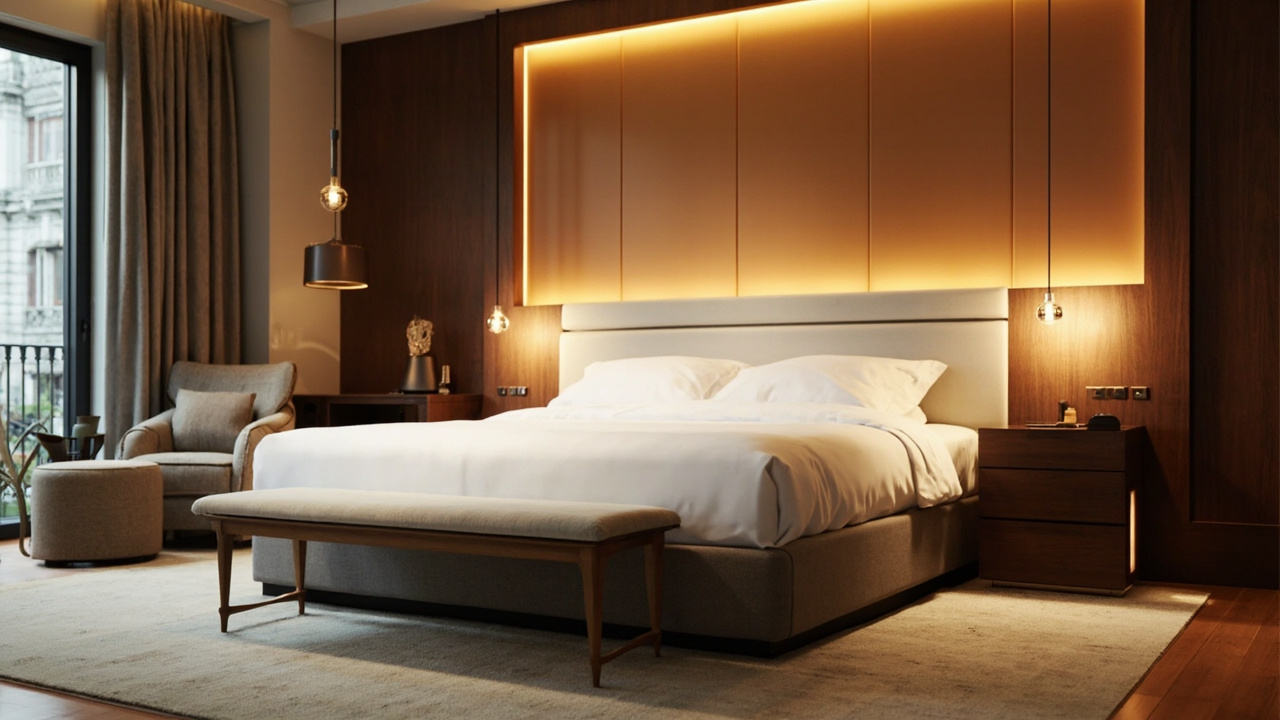
Hotel furniture procurement is where interior design meets supply-chain reality. The same five-star brief that fills a mood board with bespoke headboards and brass-trimmed nightstands must eventually be converted into a bill of materials, a manufacturing schedule and a container plan — and it is at this conversion point that most hotel projects blow their FF&E budget. The buyers who succeed treat furniture sourcing from China not as a catalogue shopping exercise but as a project-management discipline with sampling, specifications and a logistics plan running in parallel.
Case-goods specification: the backbone of the order
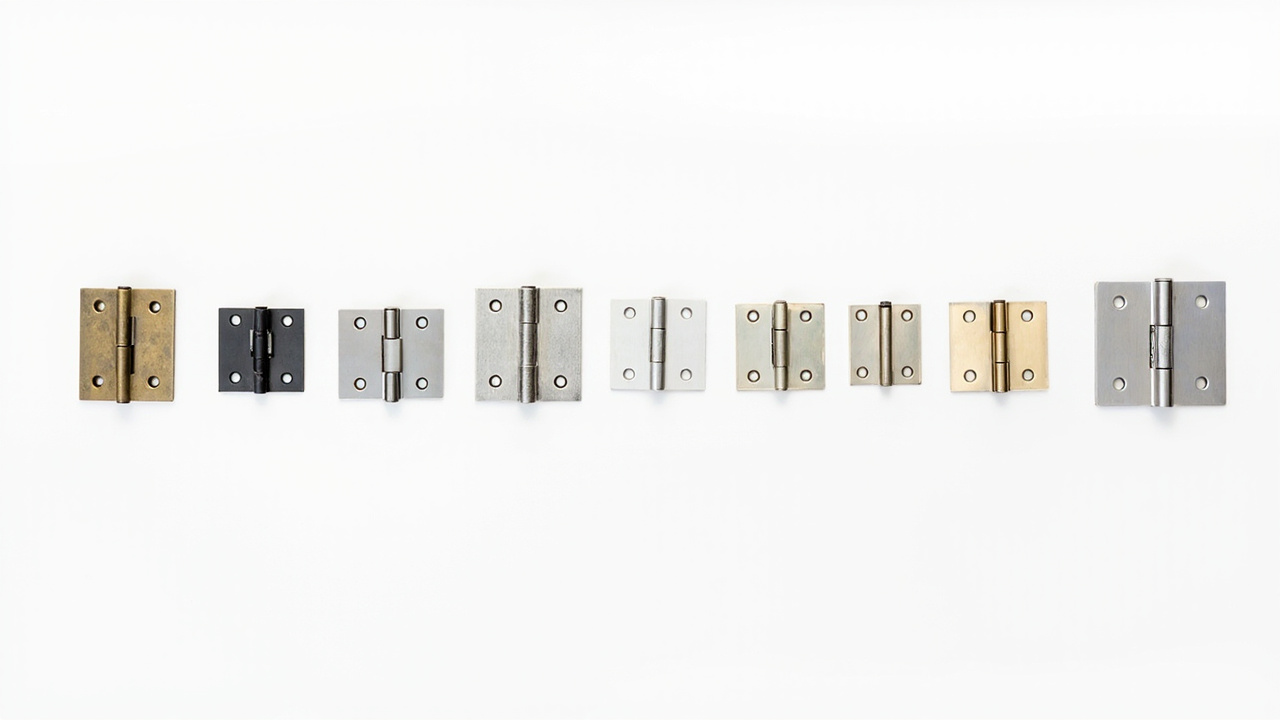
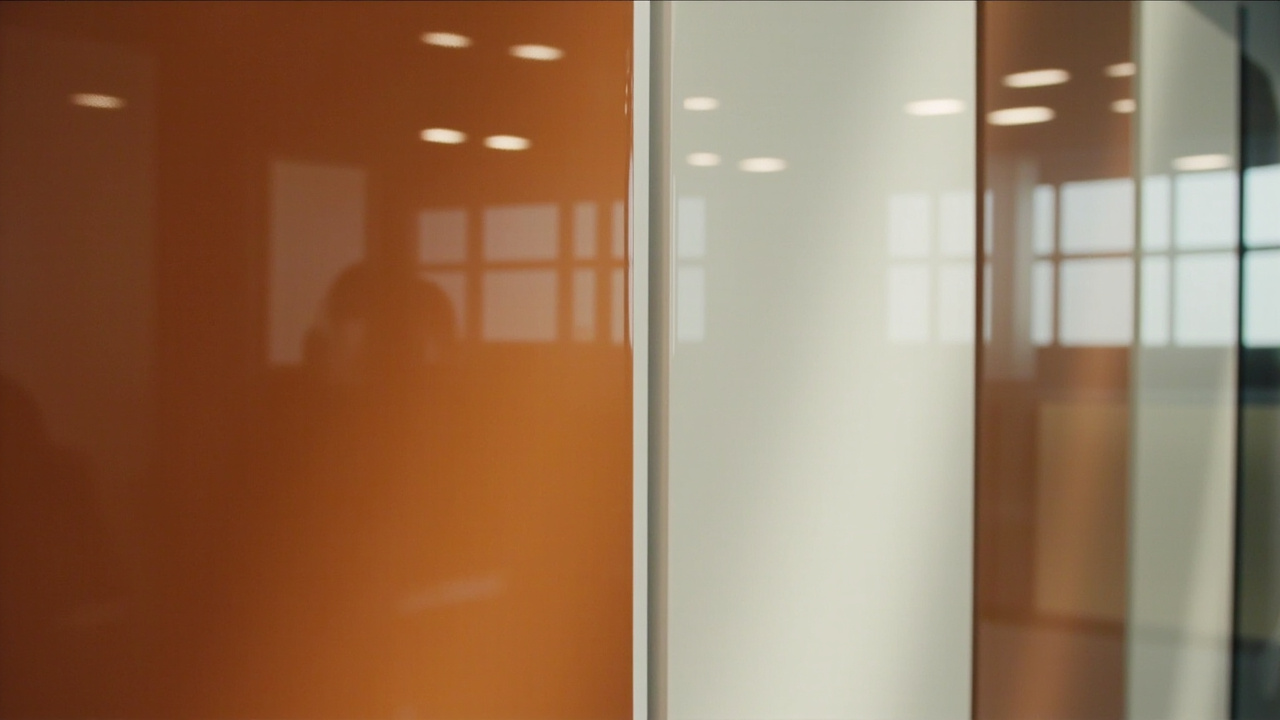
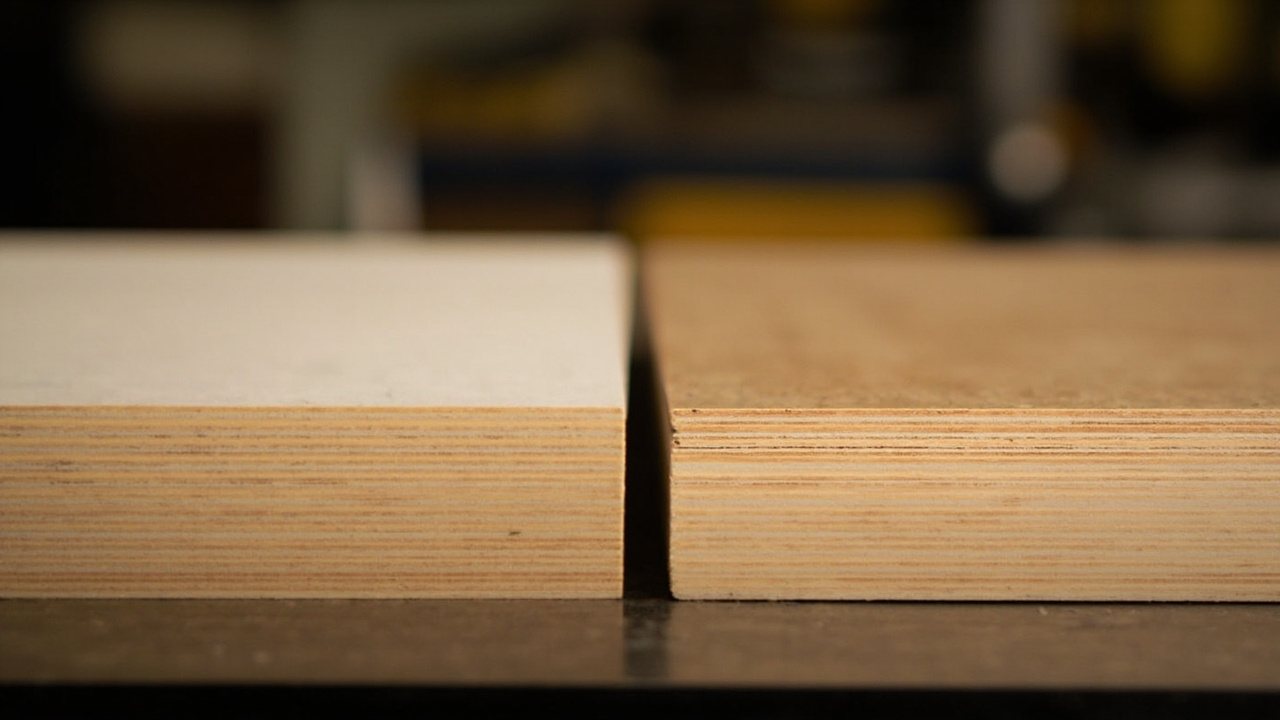
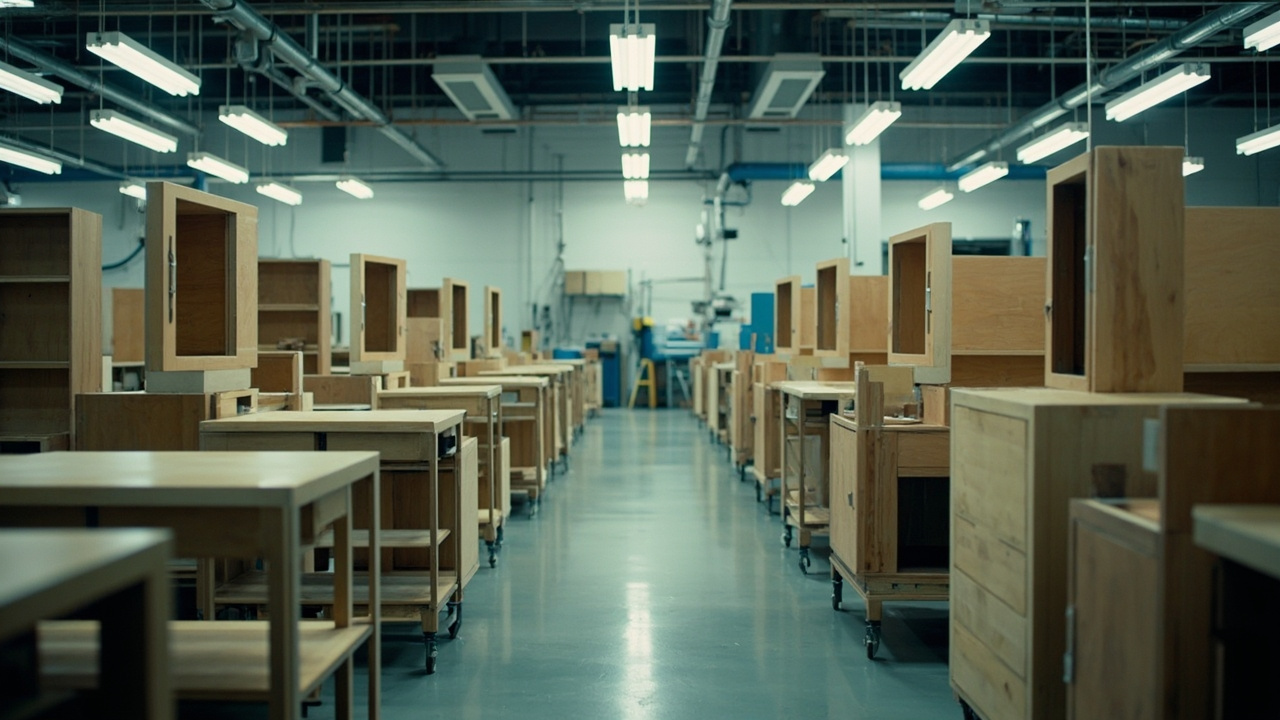
Case goods — the wooden furniture category that includes headboards, nightstands, desks, wardrobes and dressers — is the backbone of any hotel furniture order and the category most often under-specified. A real specification covers five things: the substrate (MDF, plywood or solid wood, with plywood preferred for its screw-holding strength), the finish (lacquer, veneer, melamine or PET, with moisture-resistant lacquer for bathrooms), the hardware brand (specify soft-close hinges and runner brands such as Blum or Hettich by name), the edge banding (PVC thickness and glue type), and the packaging (foam-corner protection and double-wall cartons). Without these five lines on paper, every factory will quote its cheapest default, and the result is a room set that looks right in photos but wobbles after six months of guest use.
Upholstery fabric grades and mattress specs
Upholstered pieces — sofas, armchairs, headboards and ottomans — carry the brand of the hotel, so the fabric grade matters as much as the frame. Commercial upholstery fabric is rated by the Martindale abrasion test: 15000 rubs is the floor for residential, 30000 for light commercial and 50000 or higher for hotel lobbies and public areas. Insist on a Martindale certificate from the fabric mill, not from the furniture factory, and pair it with a fire-retardant certificate (BS 5852 in the UK, CA 117 in the US, EN 1021 in Europe) that matches the destination market. Mattresses are the other high-stakes item: specify the spring type (Bonnel for budget, pocket coil for comfort, memory foam for premium), the firmness on the ten-point scale, the ticking fabric (a knit jacquard with a flame-retardant barrier), and whether the mattress is single-sided (no-flip, preferred by housekeeping) or double-sided (flip, longer service life).
Room-set sampling and the lead-time plan
Never order a full hotel furniture package without first approving a complete room set. A room set is one full guest room built in the factory showroom: headboard, nightstands, desk, wardrobe, sofa, coffee table, lamps and accessories, all finished in the production materials and photographed next to a colour swatch for verification. The room set costs between three and ten thousand dollars and takes four to six weeks, but it surfaces ninety percent of the problems that would otherwise appear during installation. Once the room set is approved, lock the lead-time plan: a typical hotel order runs sixty to ninety days from deposit to container loading, plus twenty-five to thirty-five days for sea freight. Build a two-week buffer for customs and inland delivery, and structure the production milestones — substrate complete, finish complete, upholstery complete, packing complete — so that progress can be verified each week.
Project logistics and site installation
The furniture arrives at site as a flat-pack puzzle, and how it is unpacked and installed decides whether the opening date holds. Three logistics decisions matter. First, sequence the container loading so that the rooms deepest in the corridor are loaded first and the lobby furniture last, so the installation team works from the inside out without blocking the route. Second, request numbered cartons matched to a room schedule, so a single missing carton can be traced to its room in minutes rather than discovered on opening night. Third, budget for a factory installation supervisor to fly out for the first ten days of fit-out — the cost is modest compared with the air-freight bill for replacement parts, and the supervisor can resolve assembly questions on the spot. Finally, order a spare-parts package equal to two percent of the order value — extra hinges, runners, legs and fabric swatches — and store it on site, because the first damaged item always arrives within three months of opening.
Hotel furniture sourced from China can deliver the design intent of a five-star brief at three-star cost, but only when the specification is written down, the room set is approved, the lead-time is planned and the installation is supervised. Treat FF&E procurement as a managed process rather than a series of transactions, and the furniture will look on opening night exactly the way the mood board promised.