





How to Calculate Tile Quantity for a Project: Waste Factor and Box Math
Tile ordering is the kind of task that looks simple until a container arrives five cartons short and the tiling crew walks off to another job. Get the math right and the project stays on schedule; get it wrong and you are paying for expedited air freight on a product that ships perfectly well by sea. This guide lays out the calculation method that experienced project buyers use when ordering tiles from Chinese factories, from the first site measurement to the final purchase order.
Step 1 — Measure the true surface area, not the floor plan
The starting number is never the floor area on the architect's drawing. Walk the space with a laser distance meter and measure each wall and floor separately. For floors, multiply length by width for every room and subtract only large fixed openings such as stair shafts. For walls, deduct window and door openings but keep small niches and recesses in the count, because those awkward cuts consume more tiles per square meter than a flat wall. Round every measurement up to the next centimeter before multiplying, and record the figures per room rather than as a single total.
Step 2 — Add the correct waste factor
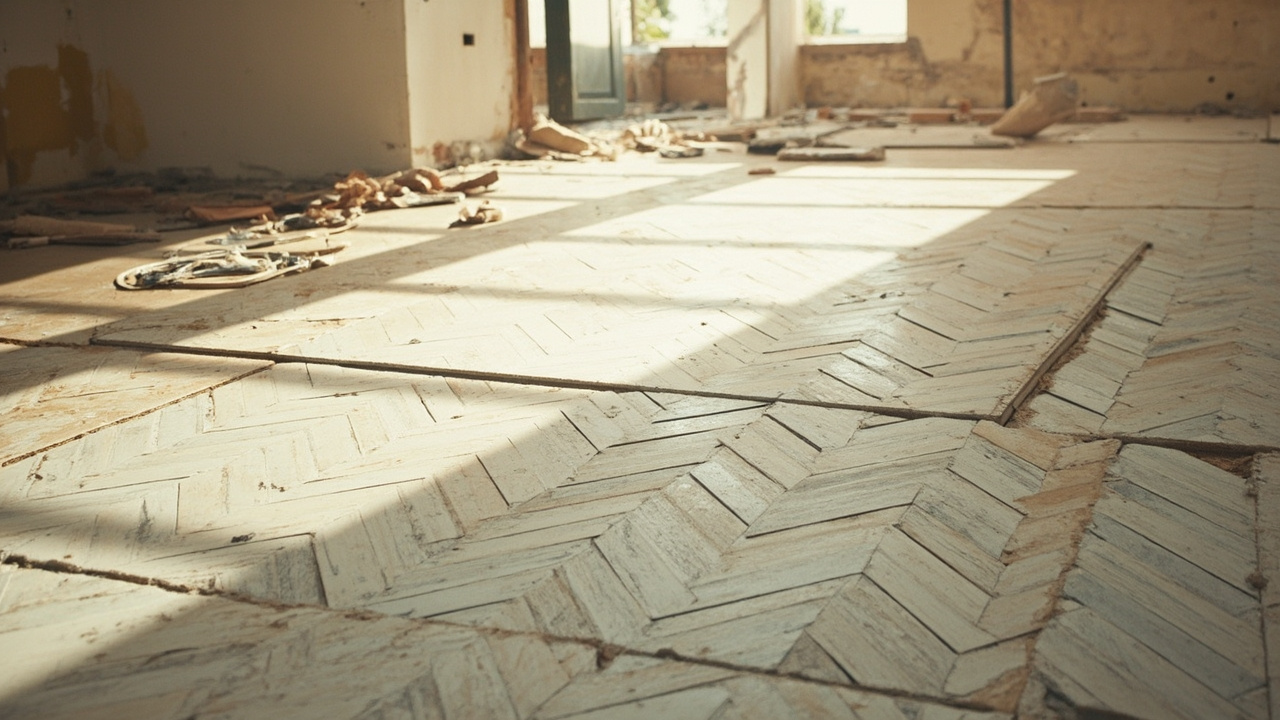
The waste factor covers cutting loss, breakage and the small differences between the calculated area and the real layout. A flat wall with a large format 600 by 1200 millimeter tile needs only 10 percent. A bathroom floor with the same tile laid diagonally around a toilet and a shower tray needs 15 percent. A herringbone or chevron pattern on small format mosaics can push the figure to 20 percent. The mistake to avoid is applying a flat 10 percent across the whole project — the room with the complex layout will run short while the simple hallway produces leftover boxes.
Step 3 — Convert square meters into boxes
Chinese tile factories quote and ship by the carton, never by the loose piece. Ask the supplier for two numbers: the square meters covered by one carton and the pieces per carton. Divide your total area, waste factor included, by the coverage per carton and round up to the next whole carton. For example, 42 square meters of floor with a 12 percent waste factor becomes 47.04 square meters; at 1.44 square meters per carton you order 33 cartons, not 32. Always round up, because a partial carton is not something the factory will produce.
Step 4 — Hold a repair reserve
Beyond the waste factor, set aside an extra 5 to 10 percent as a long term repair stock, packed and labeled separately. Tiles are fired in batches and a reorder six months later will almost never match the original shade and caliber. Hotel and residential developers who skip this step end up replacing a chipped floor with a visibly different color. Mark the reserve cartons clearly and store them on site rather than in a remote warehouse, so future maintenance teams can actually find them.
The calculation is not difficult, but it rewards attention. Measure room by room, apply the waste factor that matches each layout, round cartons up rather than down, and keep a labeled reserve. Done this way, the container that lands at the site holds exactly what the project needs — no costly shortage, no needless surplus, and one less thing to worry about as the handover date approaches.