





Hotel Renovation Sourcing Timeline: A 200-Room Project Case Study

Renovating a 200-room hotel is logistics theatre performed at speed. The property has a fixed closing date, a fixed reopening date, and roughly 22 product categories that must arrive on site within a tight window. This case study reconstructs one such project, sourced from Chinese manufacturers, and shows how the timeline, budget and container plan fit together in practice rather than in theory.
The project scope and budget envelope
The hotel was a mid-scale city property of 200 guest rooms, plus a lobby, one restaurant, a fitness room and corridors on twelve floors. The owner set a soft opening date ten months out and a hard budget ceiling of 4.8 million US dollars for furniture, fixtures and equipment (FF&E) plus loose building materials. Of that, the China-sourced portion covered guestroom case goods, bathroom vanities, doors, lighting, mattresses, bedding, wall panels, corridor carpet, lobby furniture, signage and assorted hardware. The full containerised scope came to roughly 2.9 million dollars, leaving headroom for locally bought items and contingency.

Phase 1 — Weeks 1 to 6: specification and supplier shortlist
The first six weeks were not spent sourcing; they were spent specifying. The design package was converted into a sourcing brief listing, for every product family, the material grade, finish, fire rating requirement, quantity per room type and overall quantity. Three pre-qualified factories were approached per category, each asked to quote against the same brief and the same Incoterm (FOB Shanghai). Quotations came back on three different bases, so a normalisation spreadsheet was built to compare like with like before any negotiation began.
Phase 2 — Weeks 7 to 12: sampling and spec lock
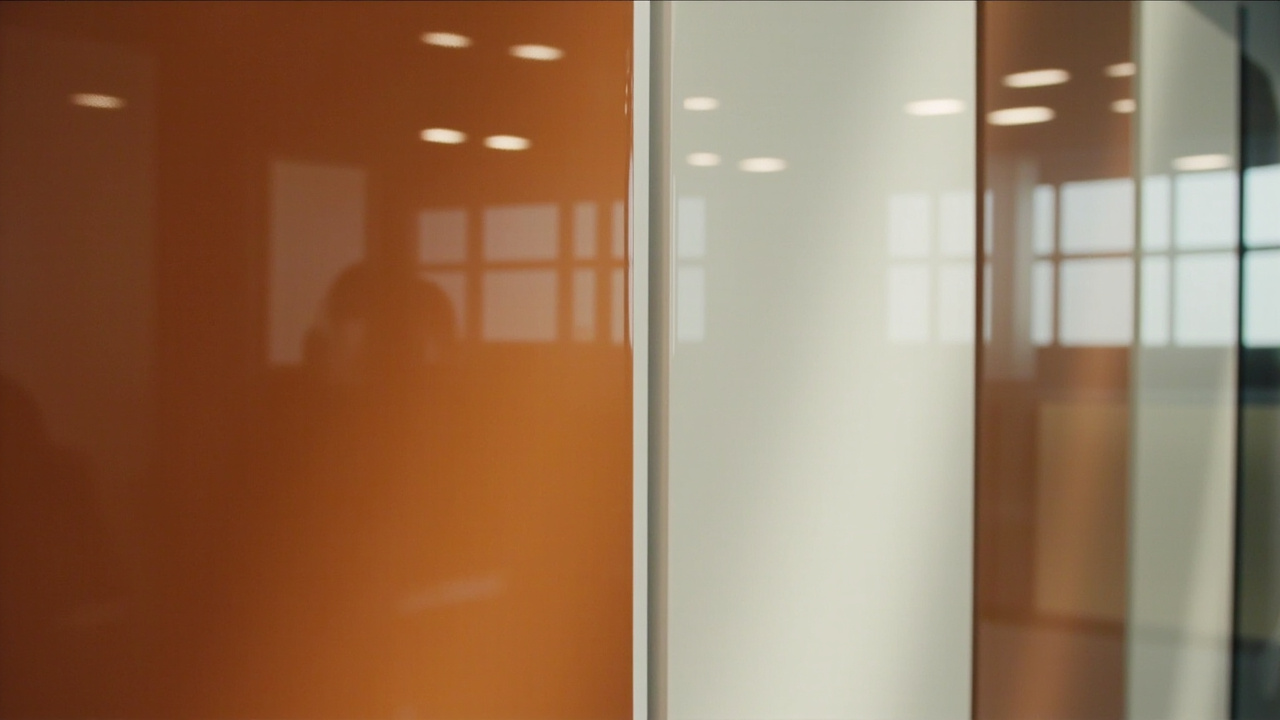
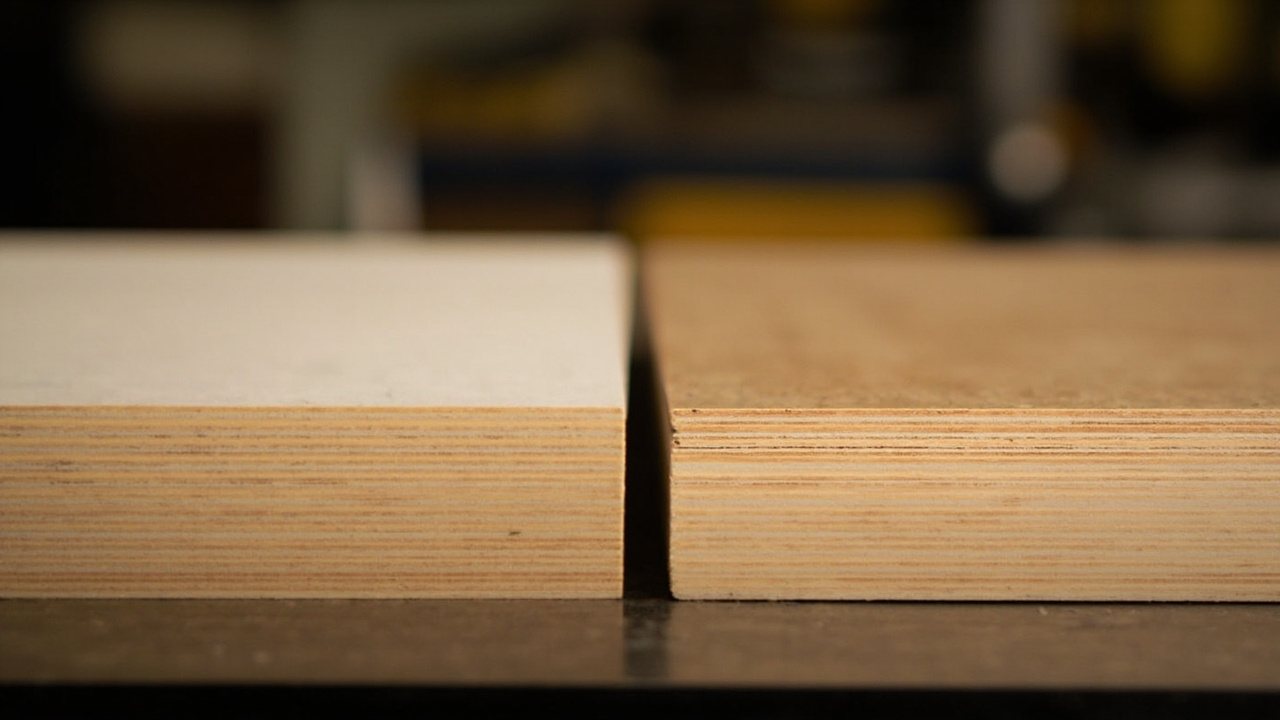
Between week 7 and week 12, paid samples flowed in for every category that touched a guest: the vanity finish, the case good lacquer, the door veneer, the mattress firmness, the carpet pile and the wall panel acoustic rating. The single most important sample was the case good panel, because its lacquer colour had to match the wardrobe, the desk and the bedside units produced by the same factory in different production batches. A master sample was signed off, photographed from every angle, and stored in a climate-controlled room as the binding reference for mass production.
Phase 3 — Weeks 13 to 22: contracting and deposits
Once specs were locked, contracts followed. Each contract specified product, spec, unit price, total price, lead time, Incoterm, AQL inspection level (single sampling level II for visible surfaces), the signed sample as reference, and the payment schedule — typically 30 percent deposit, 60 percent on pre-shipment inspection pass, and 10 percent after arrival. Deposits were placed in waves so that production start dates staggered across factories and finished goods did not all land in the same week.
Phase 4 — Weeks 23 to 34: production and inspection
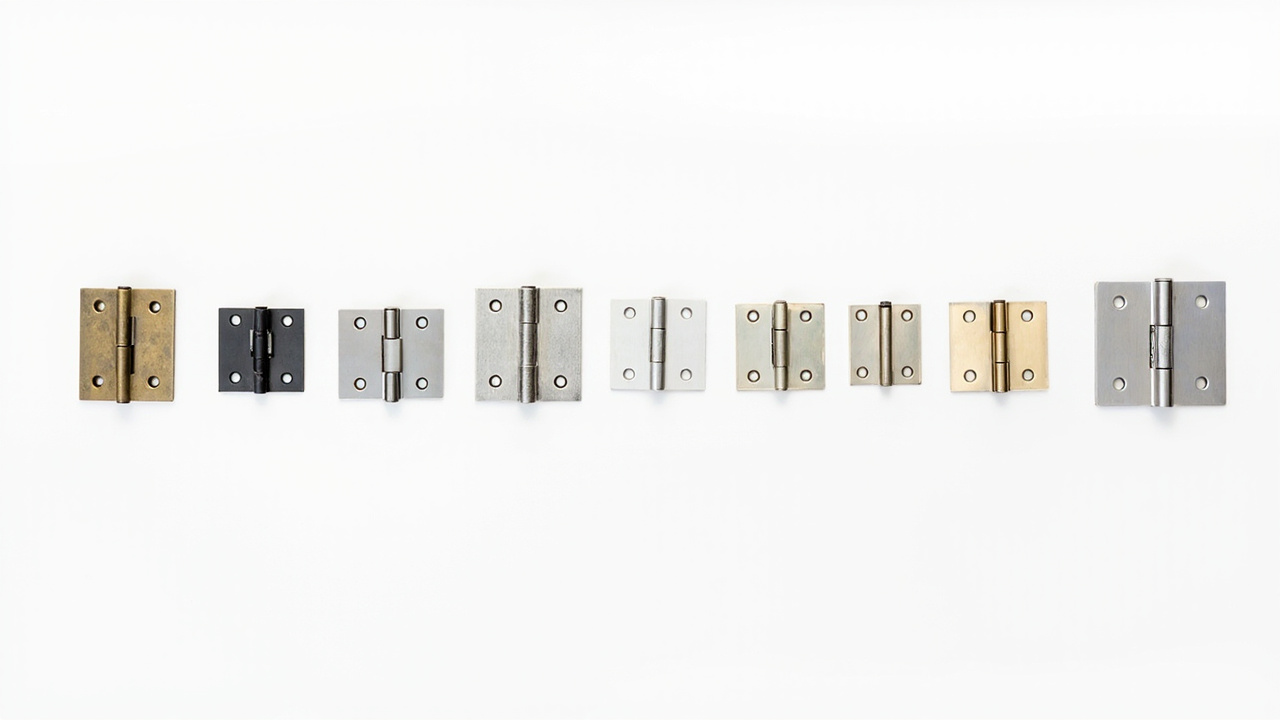
Production ran across roughly twelve weeks. The sourcing team received weekly progress photos from each factory and flagged two material substitutions early: a hinge downgrade on the case goods and a foam density reduction on the mattresses. Both were caught at week 4 of production, corrected, and had no schedule impact because they were raised inside the 48-hour deviation window written into every contract. Pre-shipment inspection at each factory confirmed dimensional accuracy, finish match to the master sample, functionality of moving parts and packaging integrity.
Phase 5 — Weeks 35 to 40: consolidation, loading and shipping
Goods were consolidated at a warehouse near Shanghai, where the loading plan grouped products by floor and by room type so that on-site installation would follow the renovation sequence. In total the project filled eleven 40-foot high-cube containers, shipped in three staggered sailings to smooth port-side congestion. The last container sailed in week 40 and was cleared through customs eleven days later, four weeks ahead of the soft opening.
The lessons that actually moved the needle
Three decisions saved the schedule. First, paying for samples for every guest-touching product eliminated the colour and finish disputes that normally consume two weeks of rework. Second, staggering deposit dates across factories prevented a single week in which fifteen containers would have arrived simultaneously with nowhere to unload. Third, writing a 48-hour deviation notification clause into every contract gave the buyer leverage to correct problems while the production line was still running, rather than discovering them at inspection when the only option is rework or delay. Sourcing a hotel renovation is not one big order; it is the choreography of dozens of small orders, and the timeline lives or dies on how well those orders are sequenced.