





Guangzhou Furniture Sourcing Guide: Markets, Factories and CIFF
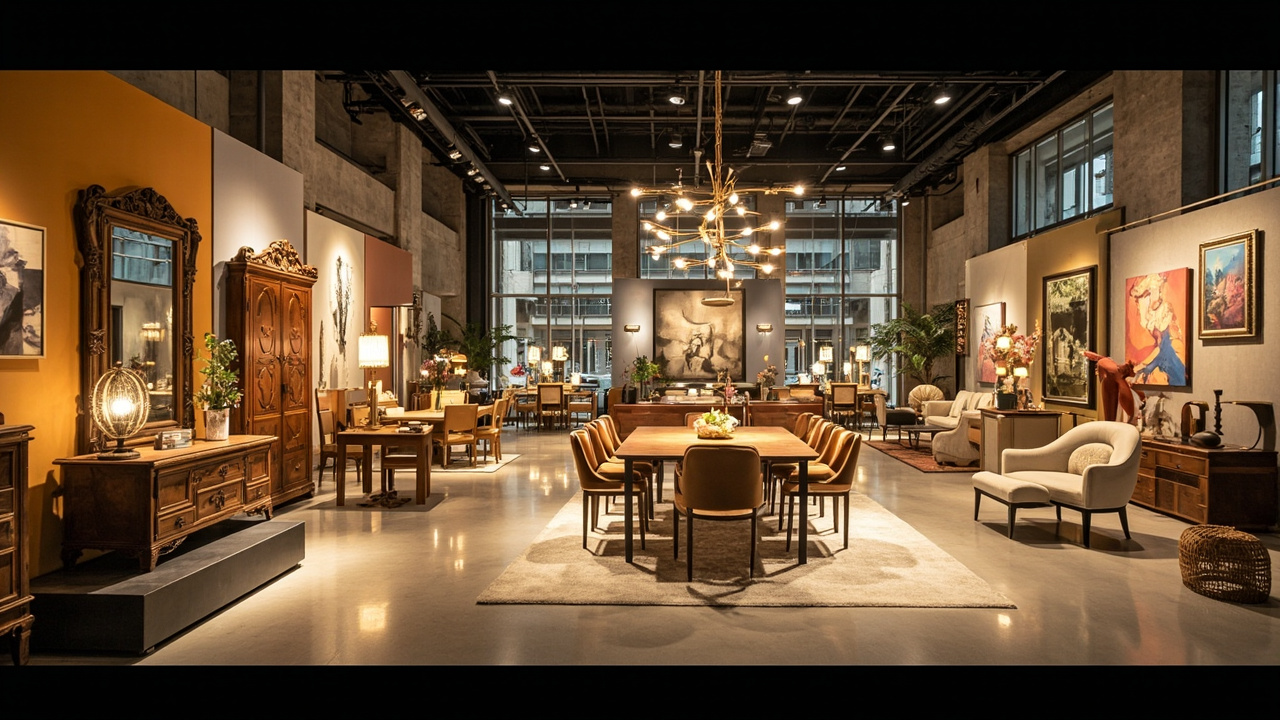
Guangzhou is the natural base for any overseas buyer sourcing furniture in China. The city hosts the China Import and Export Fair (Canton Fair) twice a year and is surrounded by some of the largest furniture factory clusters in the world. Whether a project calls for fifty hotel bedroom sets or five hundred dining chairs, understanding how Guangzhou's markets, fairs and factory towns fit together is the difference between a smooth procurement cycle and a costly one.
Why Guangzhou remains the furniture gateway
Guangzhou sits at the centre of the Pearl River Delta, with high-speed rail and river ports linking it to the furniture clusters of Foshan, Dongguan and Shenzhen. Its exhibition infrastructure — the Pazhou complex alone exceeds a million square metres — makes it the easiest place for a foreign buyer to see dozens of suppliers under one roof. The city also has the densest network of freight forwarders, inspection agents and sourcing companies specialised in furniture export.
The CIFF fair calendar
The China International Furniture Fair (CIFF) runs in two phases each March and each September at the Pazhou exhibition centre. The March edition is the largest and split into a home furniture phase, an office and hotel phase, and a machinery and raw materials phase. For project buyers, the home and hotel phases are the priority — they group the upholstered furniture, case goods, mattresses and contract-grade pieces needed for hospitality fit-outs. Visiting CIFF is also the fastest way to identify which factories accept OEM orders and export volumes, because the exhibitors have paid for the booths precisely to win that business.
The Panyu furniture market
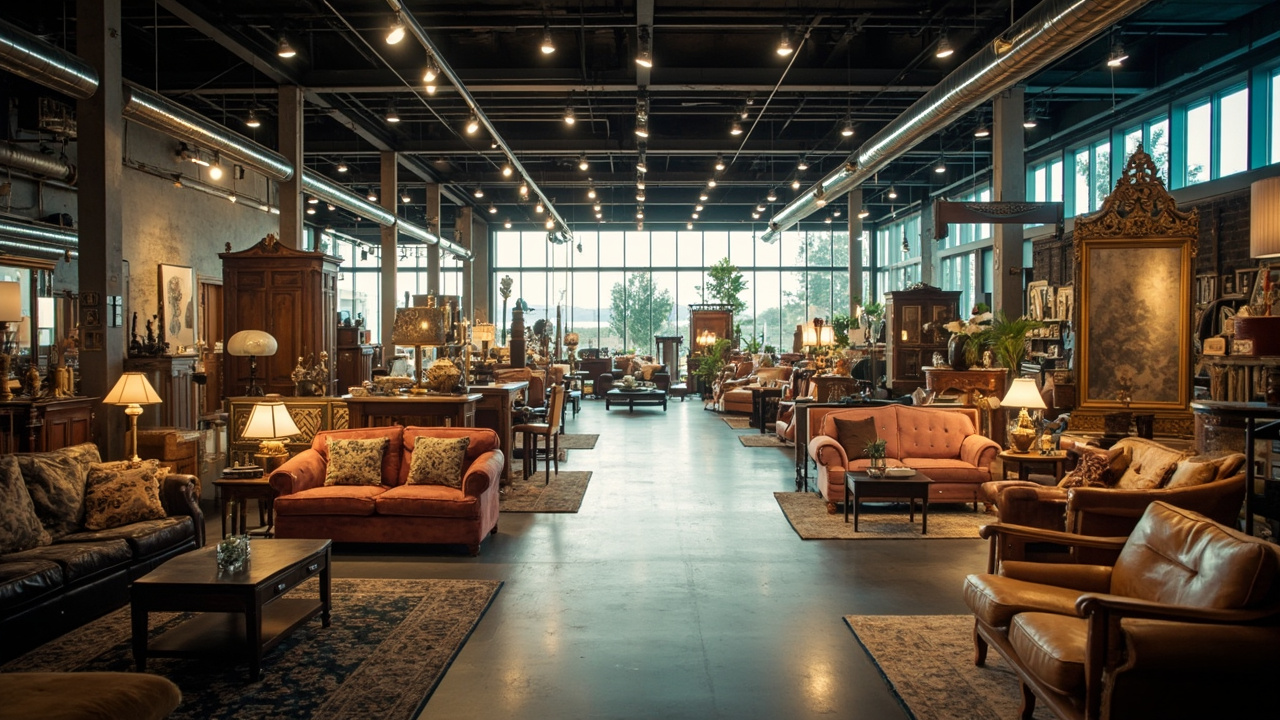
For year-round sourcing outside the fair dates, the Panyu district in southern Guangzhou is the main wholesale destination. The Panyu Datang and Shiji furniture blocks are stacked with multi-floor showrooms carrying bedroom sets, sofas, dining tables and office furniture. Prices here run below the CIFF booths because the showrooms are direct factory outlets rather than trade-fair pop-ups. Bring a translator and a clear specification list — most vendors quote in RMB and expect to negotiate, so an opening offer 20 to 30 percent below the asking price is normal.
Factory clusters in the surrounding cities
Behind the Guangzhou showrooms lies a deeper layer of factory towns. Longjiang and Lecong in Foshan specialise in upholstered sofas, beds and mattresses. Houjie in Dongguan is the hub for case goods — wooden cabinets, wardrobes and bedroom furniture — and has the largest concentration of export-focused factories. Dalingshan produces office and contract furniture, while Shenzhen handles higher-end custom work and design-led brands. A two-day factory tour through these clusters typically beats a week of email negotiation: you see the woodworking machinery, the moisture-controlled finishing rooms and the QC stations in person.
Leather, fabric and the material supply chain
Furniture quality is largely decided by its coverings. Top-grain and full-grain leather from the Wenzhou and Hebei tanneries dominates the premium tier; split leather and PU dominate the budget tier. For fabric, the Shaoxing textile market supplies most of the woven and velvet upholstery used across the delta. When auditing a factory, ask to see the leather origin certificate, the Martindale abrasion rating of the fabric (15,000 cycles for residential, 30,000 plus for contract) and the fire-retardant treatment certificates if the project is in a regulated market.
Quality tiers and what they mean
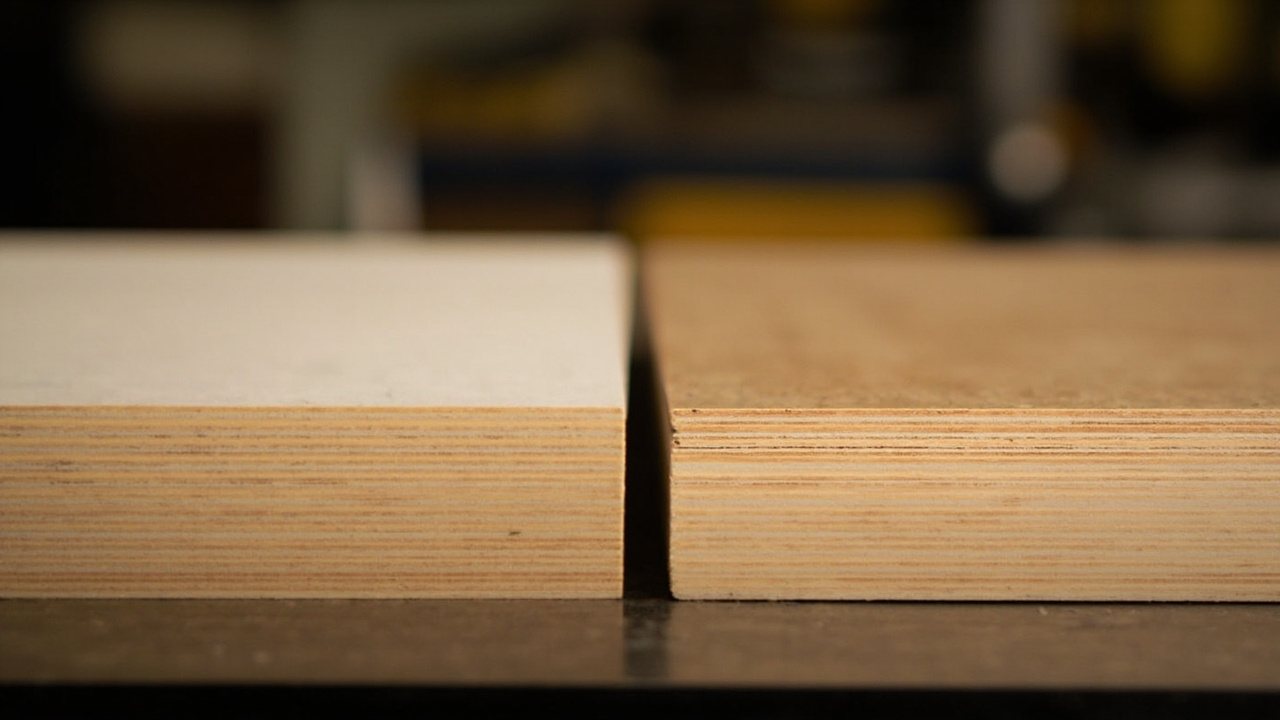
Chinese furniture factories generally operate in three tiers. The export-tier factories build to European or American contract standards, with kiln-dried hardwood frames (moisture content below 12 percent), dovetail joinery and high-density foam (35 kg/m3 or higher). The mid-tier targets domestic developers and produces acceptable quality at lower prices, often with rubberwood frames and medium-density foam. The budget tier serves the rental apartment market and uses particleboard, staple joinery and low-density foam. For hospitality or high-end residential projects, only the first tier is reliable.
Consolidating shipping from multiple suppliers
Rarely does a single factory supply an entire furniture package. The standard solution is consolidation: each factory delivers to a shared warehouse in Guangzhou or Shenzhen, where goods are repacked, palletised and loaded into containers. A good consolidation agent will inspect incoming cartons, replace damaged outer cartons, photograph the loading sequence and issue a single bill of lading. Budget around 250 to 400 USD per cubic metre for LCL furniture shipping from Guangzhou to most major ports, plus another 8 to 12 percent for warehousing and handling.
A typical Guangzhou sourcing trip takes five to seven days: two days at CIFF or the Panyu showrooms, two days visiting factories in Foshan and Dongguan, one day auditing material suppliers and one day finalising orders and shipping. The investment pays back quickly — most buyers see landed costs 30 to 45 percent below equivalent local sourcing, provided they have done the homework on quality tiers and material specifications before they arrive.