





Foshan Building Materials Market Guide: The Source of Chinese Ceramics
Foshan, in the heart of the Pearl River Delta, produces roughly a quarter of the world's ceramic tiles and a sizeable share of its bathroom ware. For overseas project buyers, a single trip here can replace months of back-and-forth email with suppliers. The challenge is that the city is large, the markets are scattered and a poorly planned visit wastes time and money. This guide explains where to go, in what order, and how to turn a walking tour of showrooms into signed purchase contracts.
Understanding the geography of Foshan sourcing
Foshan is divided into districts that each specialise in a product family. Chancheng and Nanzhuang host the ceramic tile trade; the China Ceramics Industry Headquarters and Huaxia Ceramics Exhibition City sit here. Shunde, to the south-east, is the furniture and appliance cluster. Nanhai handles hardware and aluminium, while Sanshui is where many large tile factories run their production lines. Knowing this layout lets a buyer plan a single, efficient loop instead of zigzagging across the city.
The two flagship ceramics markets
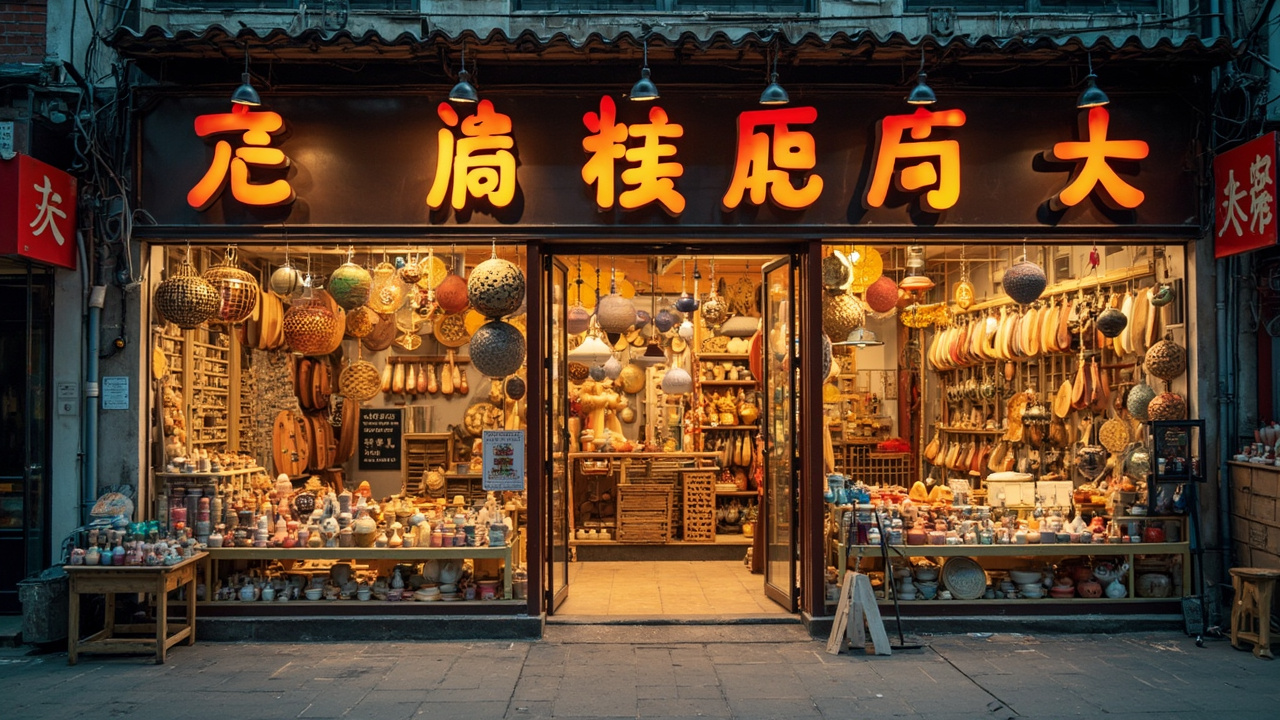
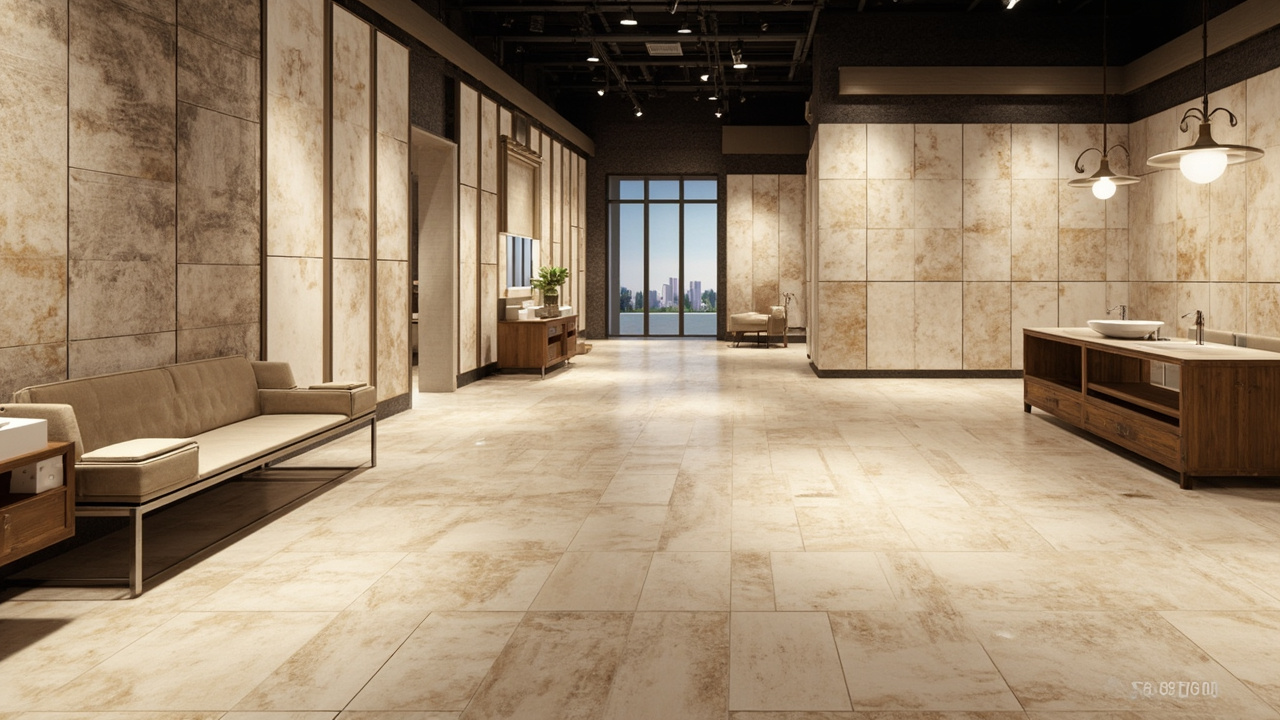
China Ceramics City (CCC), located near the central bus station, is the more formal of the two. Its eight floors of showrooms are geared to export buyers, with English-speaking staff, full specification sheets and clear MOQs. Prices here are usually higher because the brands are tier-one. Huaxia Ceramics Exhibition City, ten minutes away in Nanzhuang, is a sprawling warren of factory outlets. It is where buyers go for volume discounts, mid-range brands and the chance to negotiate directly with factory owners.
Sanitary ware hubs and what to compare
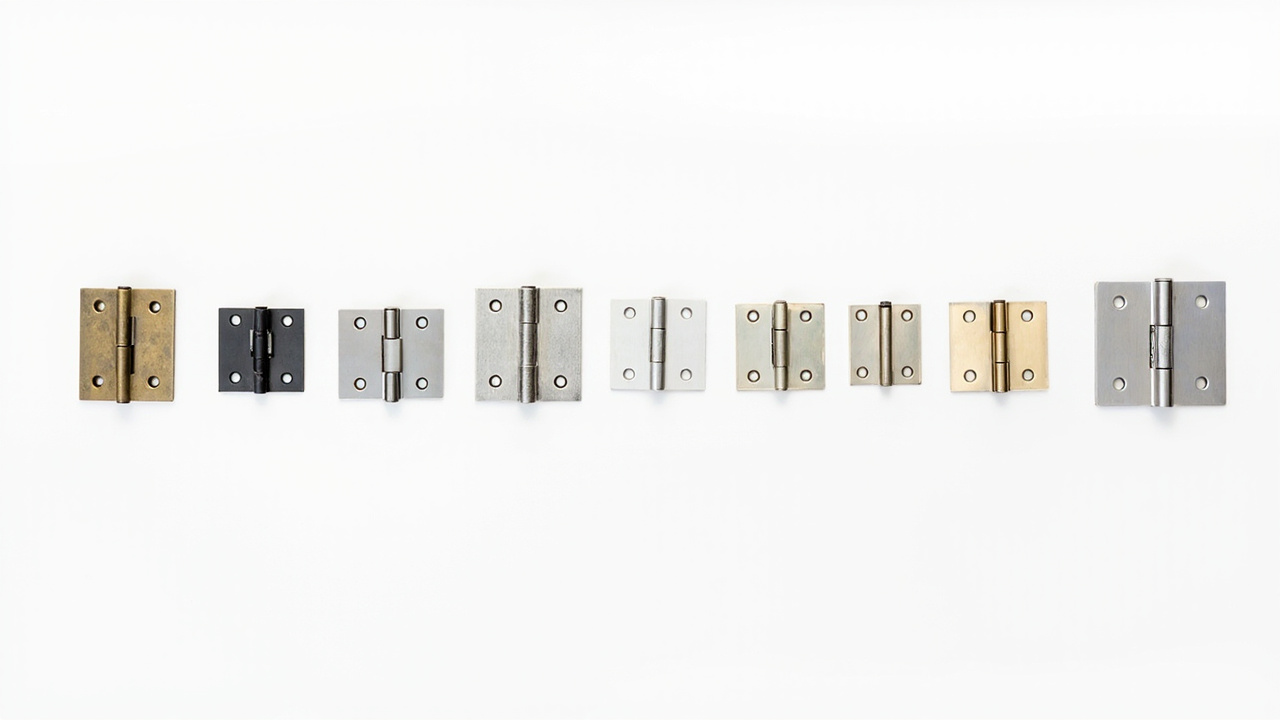
For toilets, basins and bathtubs, the wholesale blocks around Jihua Road and the Shiwan ceramics area are the main stops. When comparing suppliers, look beyond the glaze. Check the thickness of the vitreous china, the weight of a single toilet (a heavier unit usually means a denser, less porous body), the quality of the soft-close seat hinges and whether the flush valve is a recognised brand. Ask for water absorption test data — anything below 0.5 percent is suitable for export-grade sanitary ware.
Shunde: the furniture and appliance cluster
Thirty minutes south-east of Chancheng lies Shunde, home to the Lecong furniture market — reportedly the largest furniture wholesale complex in the world. For project buyers furnishing hotels or apartments, Lecong offers upholstered beds, sofas, dining sets and case goods at prices that local showrooms elsewhere simply cannot match. The neighbouring Ronggui town is the appliance capital, producing air conditioners, water heaters and small kitchen appliances. A single day in Shunde can complete the soft-furnishing and MEP equipment list for an entire development.
Logistics centres and consolidation
Foshan's advantage is not just production but export infrastructure. The Foshan New Port and the Nanhai bonded zone handle container consolidation, while dozens of export warehouses in Nanzhuang and Shunde accept mixed-load LCL cargo. Many buyers combine tiles from one factory, sanitary ware from another and furniture from Shunde into a single 40-foot container. A reliable local forwarder can arrange factory pickup, repacking, fumigation and phytosanitary certificates within a week.
A practical five-day itinerary
Day one: arrive in Guangzhou, transfer to Foshan, walk China Ceramics City to shortlist tile brands. Day two: tour Huaxia and the Nanzhuang factory outlets, request samples and FOB quotations. Day three: visit sanitary ware factories in Shiwan and inspect glazing and firing lines. Day four: drive to Shunde, tour Lecong furniture showrooms and Ronggui appliance factories. Day five: revisit shortlisted suppliers, confirm specs, sign PI documents and meet with a forwarder. Stay in hotels near Jihua Square or Zumiao for central access; budget around 400 to 800 RMB per night for a clean four-star business hotel.
Done properly, one Foshan trip can secure up to seventy percent of the finishing materials for a mid-sized residential or hospitality project. The key is preparation: a clear specification list, pre-booked factory appointments and a translator or sourcing agent who knows which showrooms are export-ready and which cater only to domestic volume buyers.