





FOB vs EXW vs DDP Shipping Terms: Which Incoterm Saves You Money from China
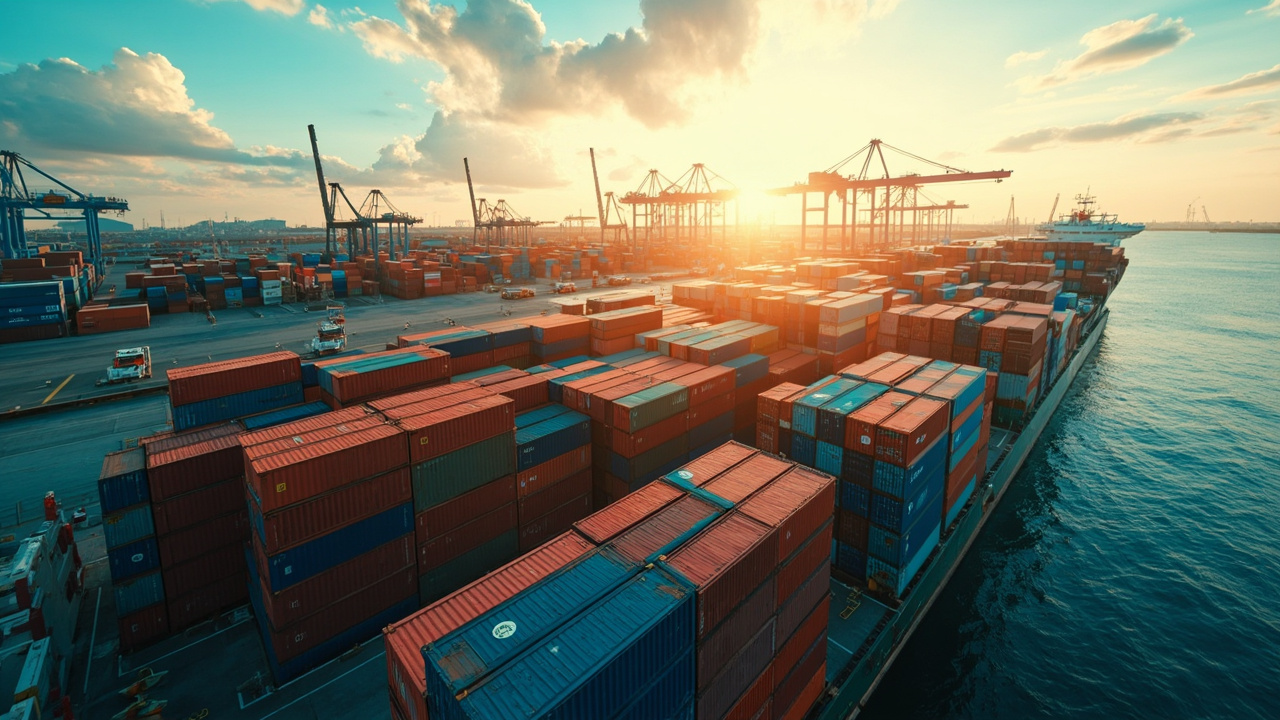
The Incoterm printed on a proforma invoice looks like a minor detail, but it decides who pays for loading, freight, insurance, customs duty and even the trailer that takes the cargo from your port to your warehouse. Choosing the wrong term can turn a competitive quote into an expensive surprise. This guide explains the four terms most building-material buyers actually use — EXW, FOB, CIF and DDP — and shows where the real money sits in each.
EXW — Ex Works, the buyer does everything
Under EXW the supplier simply makes the goods available at the factory gate. The buyer arranges and pays for pickup, export clearance, ocean freight, insurance, import duty and final delivery. The price quoted is therefore the lowest possible, but it hides the largest stack of responsibility. For a buyer with a capable freight forwarder and a controlled customs process, EXW gives maximum control and transparency. For a first-time importer without a forwarder in China, EXW tends to produce delays at export, because the supplier has no obligation to load the truck or complete export declarations.

FOB — Free On Board, the workhorse for containers
FOB is the most popular term for full-container shipments of building materials. The supplier pays for inland haulage to the Chinese port, export clearance, and loading onto the vessel, and risk transfers to the buyer the moment the cargo crosses the ship's rail. The buyer's forwarder then handles ocean freight, insurance, destination charges and customs. FOB offers a clean split: the factory owns everything inside China, the buyer owns everything outside. Quotations in FOB are also directly comparable between suppliers, because they all include the same scope up to the loading port. The one thing to watch is local charges at origin — terminal handling and documentation fees — which a transparent forwarder should disclose upfront.
CIF — Cost, Insurance and Freight, the bundled option
Under CIF the supplier arranges and pays for ocean freight and a minimum marine insurance up to the destination port. The buyer still handles destination charges, import duty and customs, and risk still transfers at the origin port once the cargo is loaded. CIF suits buyers who do not yet have a freight forwarder and want one number from the supplier that includes shipping to their port. The catch is that suppliers often earn a margin on the freight and buy minimum cover, so the apparent convenience can cost more than FOB plus a competitively tendered forwarder. Always ask for the freight breakdown and the insurance certificate, and compare the totals against an FOB quote before signing.
DDP — Delivered Duty Paid, the door-to-door premium
DDP pushes the entire chain onto the supplier: factory cost, inland haulage, export, ocean freight, insurance, import duty, customs clearance and final delivery to the buyer's address. From the buyer's perspective, DDP is the simplest possible term because one payment releases the goods at the warehouse door. The trade-off is that the supplier must register for import in the destination country, hold the right licences, and will price the entire risk into the unit cost. DDP is attractive for sample orders, small quantities or buyers who want to avoid customs entirely, but it usually carries the highest total cost of any term and can be slow if the supplier's local broker is unfamiliar with building-material classifications.
For most first-time buyers of building materials, FOB is the recommended default: it is widely understood, easy to compare between suppliers, and leaves the destination customs process — where most surprises happen — under the buyer's own control through their forwarder. Move to EXW only when you have a strong forwarder in China, to CIF when you want a bundled port-to-port price, and to DDP only for small orders where convenience outweighs the premium. Whatever you choose, make sure the Incoterm, named port and version year are all written on the contract, because the same three letters can mean different things under different Incoterms editions.