





Flat Pack vs Assembled Kitchen Cabinets: Shipping Cost and Quality Tradeoffs
One of the earliest decisions in a kitchen sourcing project sounds deceptively simple: do the cabinets arrive flat-packed and ready to assemble (RTA), or fully built and ready to hang? The answer reshapes the budget. Flat-pack cabinets pack two to three times as many units into the same shipping container, but they shift assembly labour to the destination and increase the number of joints that must be squared on site. Fully assembled cabinets cost more to ship and arrive in bulkier cartons, but they reach the kitchen as finished modules that an installer can hang in minutes. This guide unpacks the tradeoffs across shipping, labour, quality and risk so project buyers can match the format to their real conditions.
Shipping cost and container loading
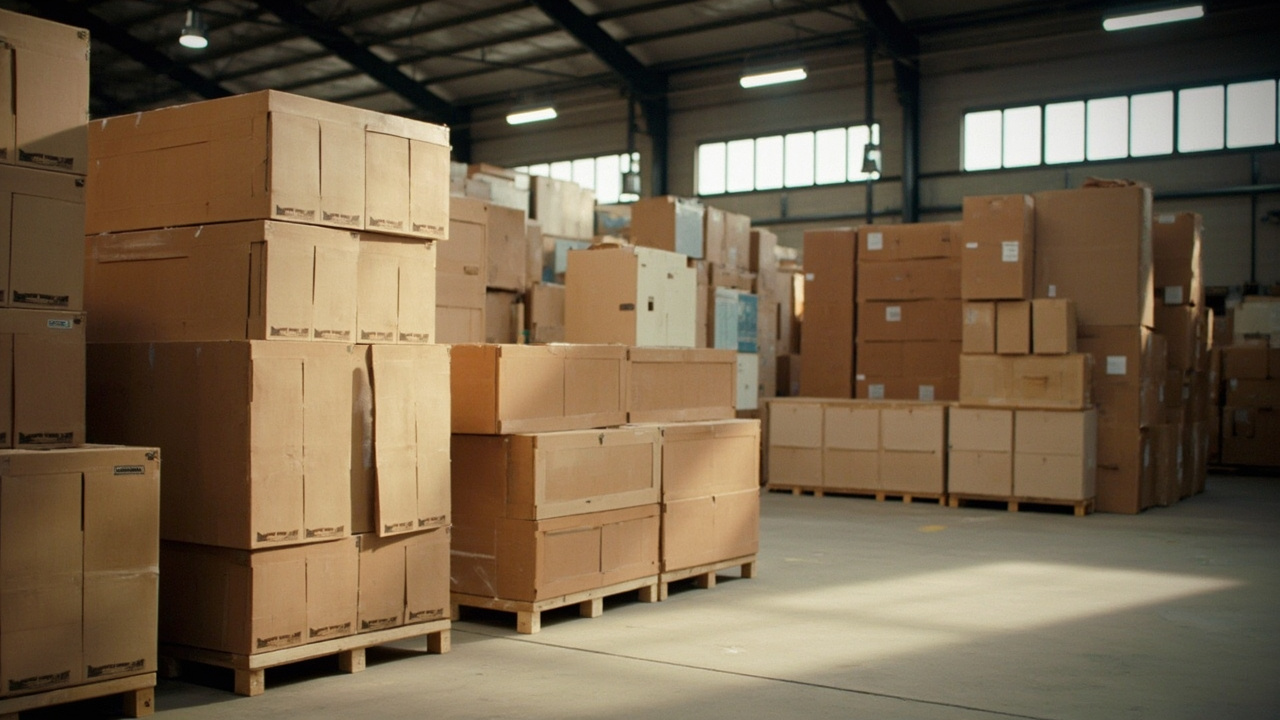
The shipping argument for flat-pack is decisive at long distances. A standard 40-foot high-cube container typically holds about 30 to 35 sets of fully assembled kitchen cabinets, but the same container can carry 80 to 100 flat-packed sets when panels are stacked and hardware is bagged separately. At a freight rate of, for example, three thousand dollars per container to a destination port, the per-set shipping cost falls from roughly one hundred dollars to about thirty-five. For a multi-tower residential project ordering hundreds of kitchens, that difference alone can fund a higher cabinet specification. Flat-pack also survives handling better, because cartons of flat panels slide rather than crush, whereas assembled corner joints are vulnerable to sideways impact in transit.
Assembly labour and installation time
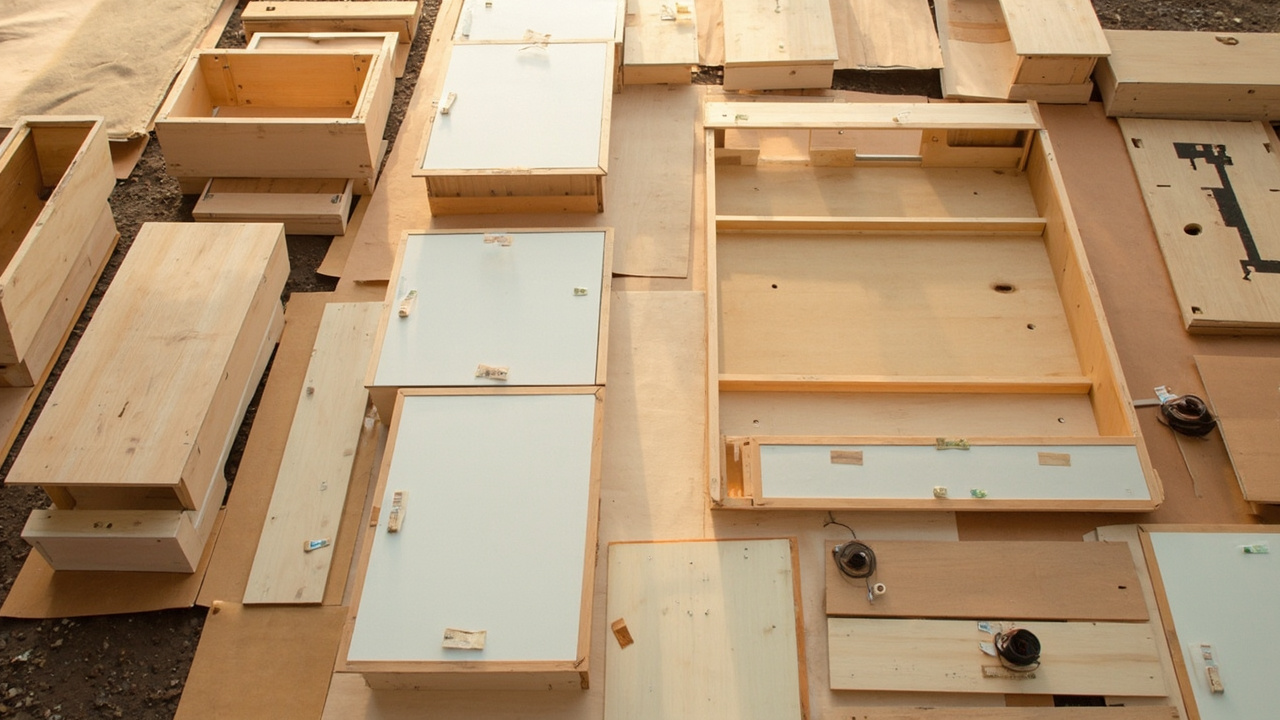
The money saved on freight is partly spent at the other end. Each flat-pack set requires a trained assembler roughly two to four hours to build before the cabinet is ready to hang, and the quality of the final cabinet depends heavily on the assembler using a square, a torque-controlled driver and the correct sequence. Fully assembled cabinets skip this step entirely; the installer unboxes, levels and fixes, with the average kitchen ready in a day. For markets where skilled carpenters are scarce or expensive, the assembled format protects the project from inconsistent assembly quality. For markets with affordable skilled labour, flat-pack lets the buyer capture the full freight saving without compromising finish.
Quality control and damage risk
Factory assembly offers one major quality advantage that matters for premium projects: every joint is built on a jig by a worker who builds the same cabinet daily, so hinge alignment, drawer slide travel and squareness are consistent. With flat-pack, the factory still controls the panel cutting and the hardware, but the joint quality belongs to whoever assembles on site. Damage risk differs too: assembled cabinets can suffer corner dents and hinge misalignment from impacts during loading and unloading, while flat-pack cartons are more likely to sustain edge damage if straps are overtensioned. A pre-shipment inspection should therefore check assembled cabinets for joint rigidity and flat-pack cartons for clean, unchipped board edges.
Which format fits your project
For a small order of one to five kitchens going to a remote port, flat-pack usually wins because the freight saving is large and the assembly labour, spread across so few units, is manageable. For a large multi-unit residential project in a market with abundant skilled labour, flat-pack is again the right call, because the freight saving multiplies across hundreds of units while local labour absorbs assembly. Fully assembled becomes the better choice when the destination market lacks reliable carpentry labour, when the project is a luxury scheme where joint consistency is non-negotiable, or when lead time is tight and site assembly would push the schedule past handover. Many experienced buyers run a hybrid: assembled units for visible feature areas and flat-pack for bulk storage runs, capturing both consistency and economy.
The format decision is reversible in theory but expensive to reverse in practice, so model both options on a spreadsheet with real freight quotes and real local labour rates before committing. Treat the choice as a logistics and labour decision, not a styling one, and the right answer for each project usually becomes obvious within minutes of laying out the numbers.