





Container Loading Supervision in China: Preventing Transit Damage
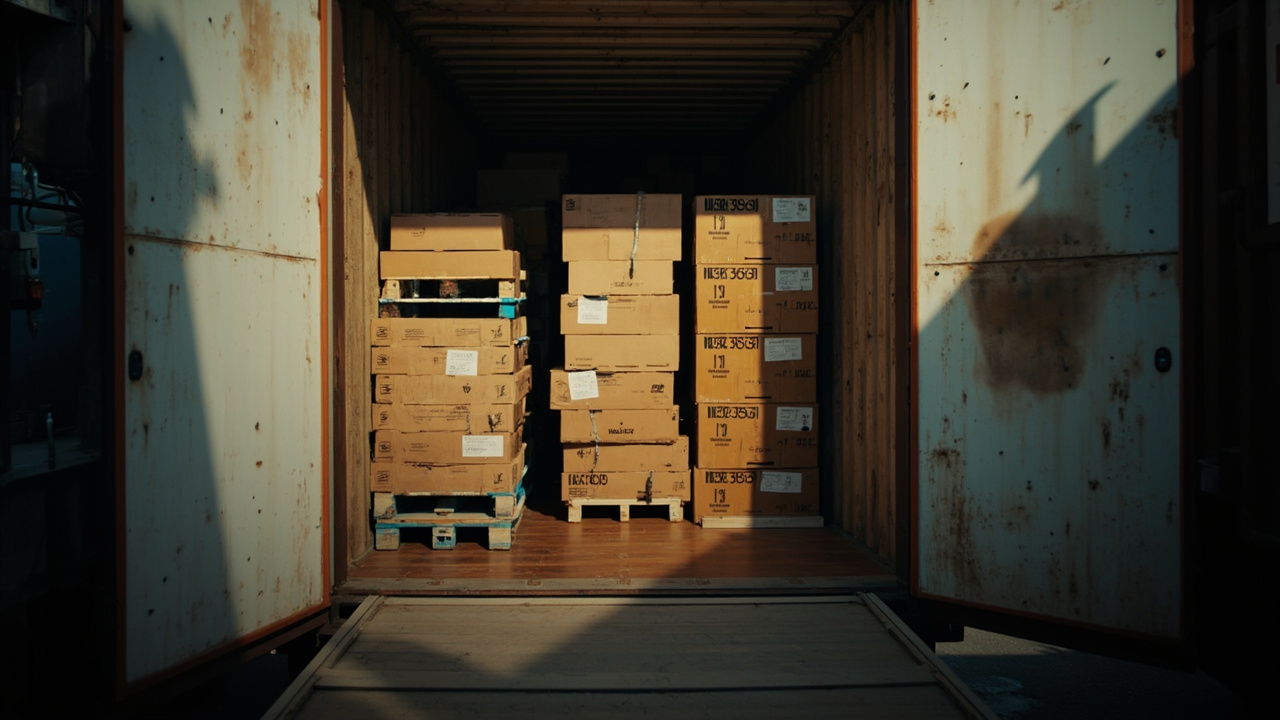
Goods that passed a pre-shipment inspection can still arrive at the destination port as a crushed, mildewed or shifted mess. The gap between a clean inspection and a damaged delivery is almost always the loading of the container itself. Container loading supervision, often called CLS, is the half-day visit during which an independent observer watches the cartons move from the factory warehouse into the steel box, verifies the condition of that box, and documents everything with photographs. For building-material buyers shipping heavy or fragile cargo across oceans, CLS is the cheapest defence against the most expensive kind of claim.
Inspect the empty container before a single carton goes in
Before loading starts, the supervisor inspects the container itself. The box must be wind-and-water-tight, with intact door seals, no holes in the walls or floor, and no residual smell of a previous cargo. The floor should be dry and clean. A container that previously carried chemicals, fertiliser or wet cargo can taint cabinetry, textiles or packaged tiles for the entire voyage. If the container fails this check, the supervisor refuses it and asks the forwarder to bring a replacement. Accepting a suspect box to save two hours of waiting is a false economy that shows up weeks later as a claim.
Carton condition and the count that has to match
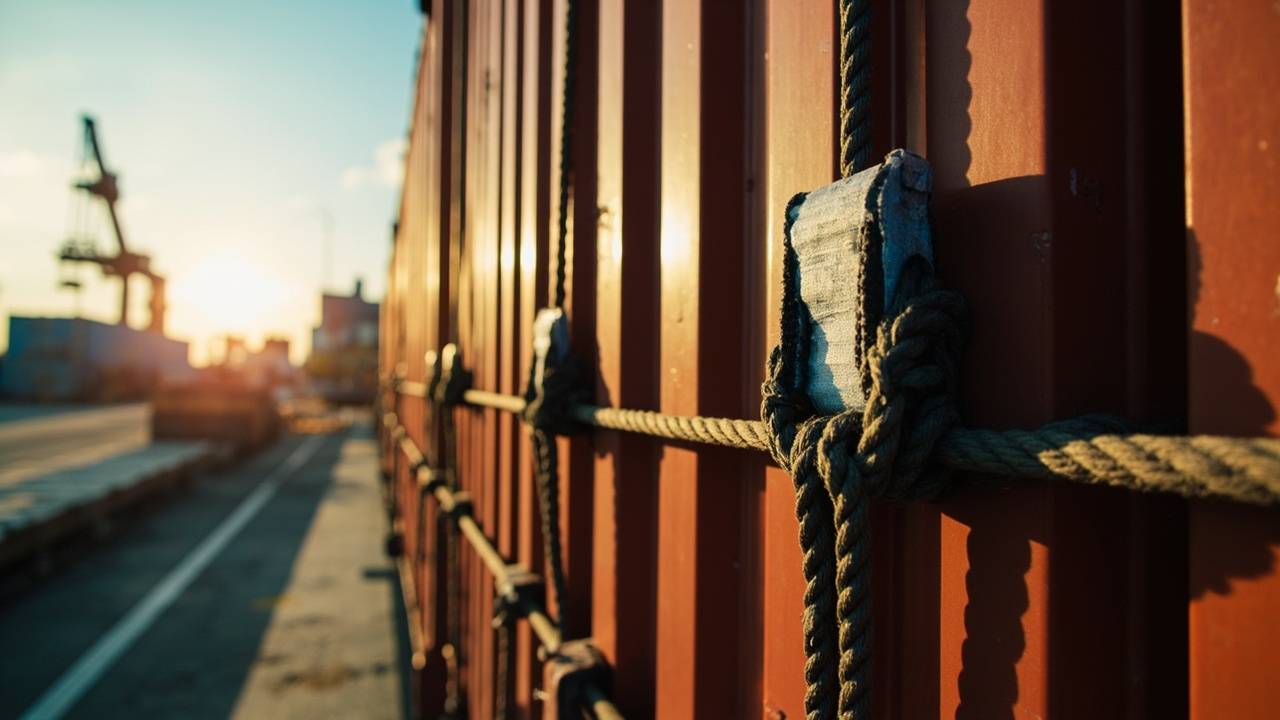
As cartons come out of the warehouse, the supervisor checks their physical condition. Crushed corners, torn outer liners, wet patches or reopened tape are all reasons to refuse a carton for loading, because a damaged carton offers no protection to its neighbours once stacked. The supervisor also counts the cartons against the packing list and confirms that shipping marks, item numbers and PO numbers are correct and legible. A mismatch between the packing list and what is physically loaded is the single most common source of short-shipment disputes, and it is trivial to settle at the loading bay and almost impossible to settle later from another country.
Stacking patterns that actually resist the voyage
How cargo is stacked inside the container matters as much as the packaging itself. The supervisor confirms that heavy, dense items such as tile cartons go on the bottom, lighter and fragile items such as cabinet doors or glass go on top, and that cartons are stacked upright rather than on their sides when the print on the carton demands it. Cargo should be built up tightly from floor to ceiling in solid columns with no gaps that would let it topple when the ship rolls. Where gaps remain, they must be filled with dunnage, air pillows, corrugated panels or foam, so that the load is a single locked mass by the time the doors close.
Lashing, bracing and the container seal
Once the cargo is stacked and wedged, the supervisor oversees the final securing. Lashing straps or cargo nets anchor the last rows to the container wall rings so the load cannot surge forward against the doors during braking or pitching. Wooden braces and lumber dunnage must carry the ISPM-15 fumigation mark; unmarked timber will be refused at the destination customs and trigger fumigation charges or holds. Desiccant bags are hung from side-wall hooks rather than buried in cartons, so they can absorb the condensation that forms on the steel ceiling during the temperature swings of an ocean crossing. When the doors finally shut, the supervisor reads the bolt-seal number aloud, records it, photographs it, and confirms that the seal matches the one on the bill of lading. That seal number is the legal proof that the container was not opened in transit.
Photographic documentation and the handover
The deliverable from a CLS visit is not a feeling, it is a dated photographic record. The report shows the empty container and its number, the condition of cartons before loading, the stacking pattern as it builds up, the dunnage and lashing in place, and finally the sealed doors with the seal number visible. These photographs are what you attach to an insurance claim, what you show a customs broker, and what you keep on file when a buyer in your own market questions the condition of the goods. Combined with the pre-shipment inspection report, the loading supervision file closes the documentary loop from factory floor to sealed container.
Loading supervision is often the first checkpoint buyers drop when they are trying to save money, and it is consistently the one they regret dropping. The cost of a half-day visit is tiny against the value of a full container, and the visit catches exactly the failures, shifting loads, crushed cartons and missing seals, that turn a good order into a damaged one. Treat CLS as a standard line item on every FCL order, and the containers that arrive will look like the containers you approved.