





Commercial Lighting Sourcing for Hotel Projects: Downlights, Strips and Pendants
Hotel lighting is the single element guests notice first and facility managers complain about most. A corridor that feels cold, a bedside downlight that throws a harsh scallop on the pillow, a pendant that buzzes when dimmed — these are the small failures that drag a five-star brief down to three-star reality. Procurement teams who source commercial lighting from China succeed by translating the designer's mood boards into hard technical numbers before the first purchase order is signed.
Downlights: beam angle is everything
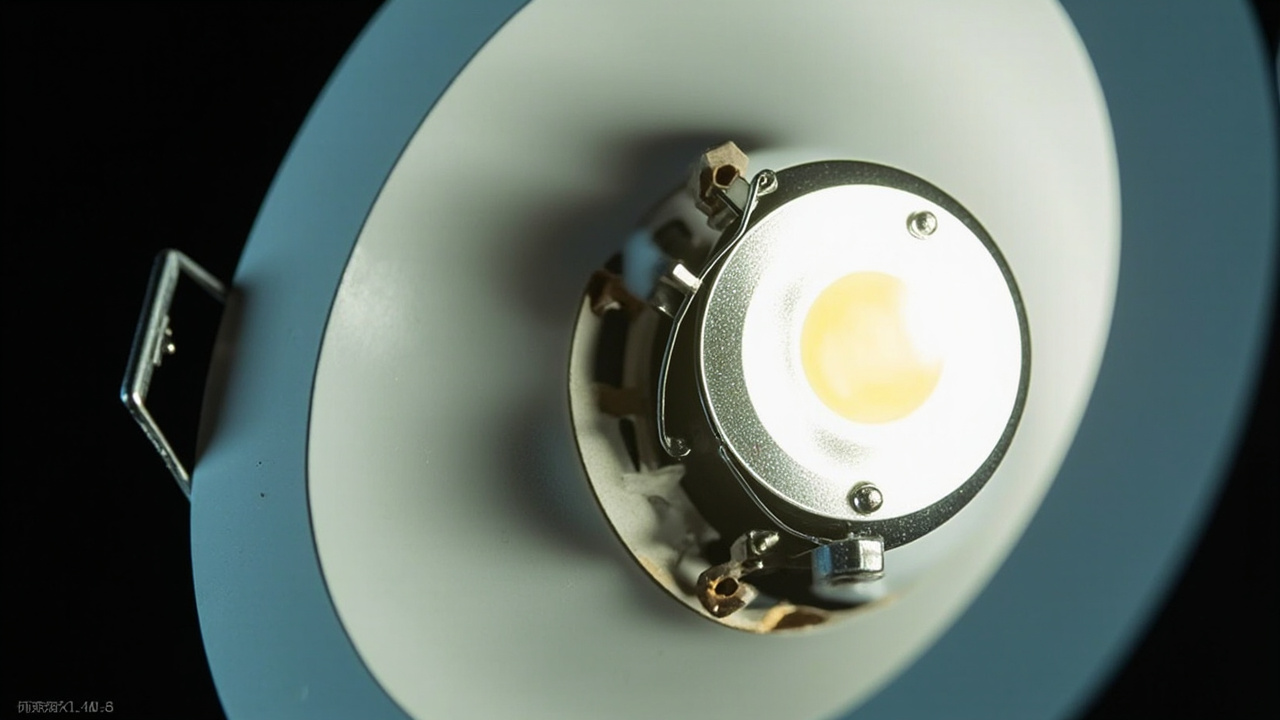
The recessed downlight is the workhorse of hotel lighting, but its performance depends on a number buyers rarely specify: the beam angle. A 15-degree narrow spot accentuates artwork and sculptures; a 36-degree medium flood is the safe default for corridors and lobbies; a 60-degree wide flood washes ceilings in soft ambient light. Pair the beam angle with the correct reflector finish — matte black reduces glare, clear silver maximises output — and demand an integrated diffuser that hides the diode dots. For bedrooms and bathrooms, choose downlights rated for at least IP44, because steam and splashes destroy non-protected drivers within a year. Specify the cut-out diameter in writing, since a 75 mm and a 90 mm hole are not interchangeable on site.
LED strips: CCT, CRI and the secret of the bin
Flexible LED strips have replaced neon and cold-cathode in cove lighting, backlit bars and shelving reveals, yet most sourcing disasters begin here. Three numbers define a good strip. First, the correlated colour temperature (CCT): match the strip to the downlights exactly, because a 2700K downlight beside a 3000K cove reads as visibly pink. Second, the colour rendering index (CRI): insist on CRI 90 or higher for anything near food, fabric or skin tones. Third, the LED density per metre — 60 diodes per metre gives a smooth line, while 30 diodes per metre shows visible dotting. The hidden variable is the colour bin: ask the factory for a three-step MacAdam tolerance, meaning every diode in the reel matches the next within a tight shade band.
Pendants: materials, weight and the dimming trap
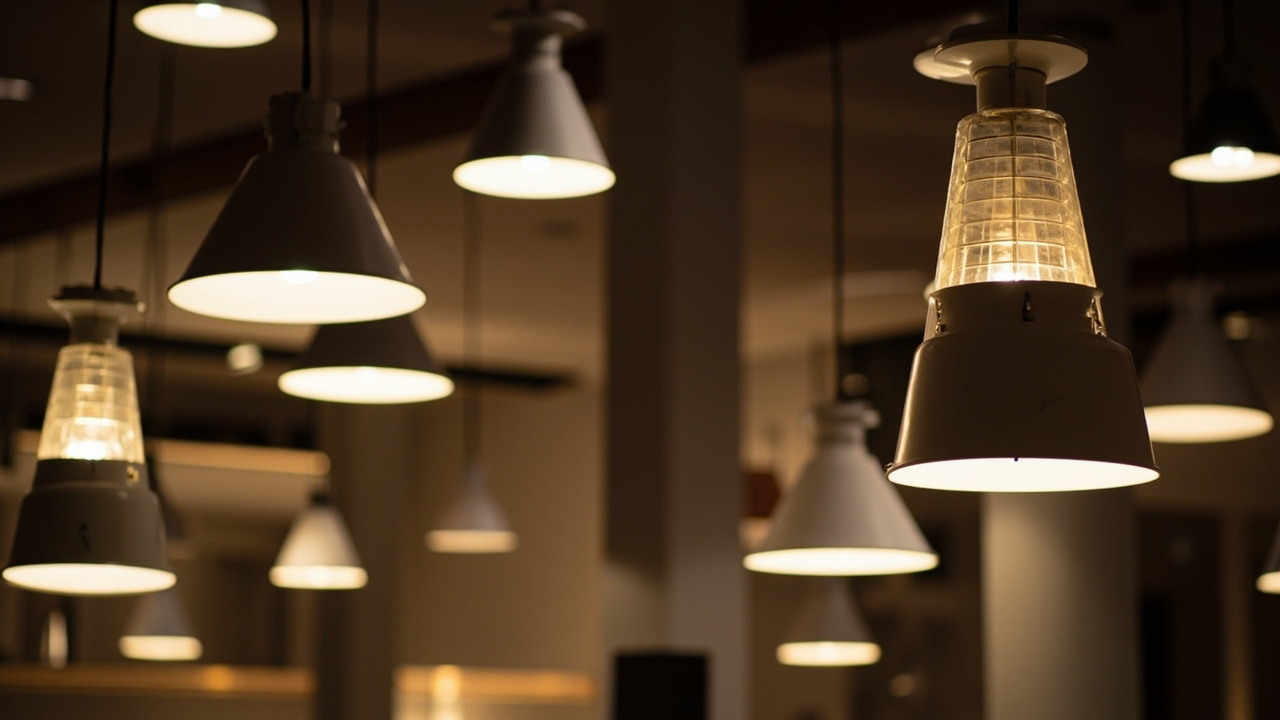
Pendant lights over reception desks and restaurant tables carry the brand of the hotel, so materials matter as much as light output. Solid brass and hand-blown glass age beautifully but weigh enough to require structural support in the ceiling; die-cast aluminium and polycarbonate diffusers cut the weight and the cost. Whatever the material, verify the ceiling rose is rated for the pendant weight and that the cable length is adjustable on site. The dimming trap catches almost every first-time hotel buyer: trailing-edge dimmers (designed for LED) are incompatible with leading-edge dimmers (designed for halogen), and a pendant specified as "dimmable" will still flicker if the dimmer protocol is wrong. Name the protocol — TRIAC, 0-10V, DALI or DMX — in the technical schedule.
DALI control and project packaging
Modern hotels use a DALI (Digital Addressable Lighting Interface) backbone so that every fixture can be addressed, grouped and dimmed individually from a single head-end. Specifying "DALI-2 ready" on the order is not enough — ask for the DALI-2 product registration number and test the addressability with the factory sample before mass production. For packaging, hotel projects demand a different standard than retail orders: each carton should carry the room number and floor, the fixture should be wrapped in foam not bubble wrap, and spare parts (ten percent of lamp count, plus replacement drivers and glass shades) should ship in the same container. These touches cost almost nothing and save a panicked air-freight bill when one pendant arrives cracked on opening night.
Hotel lighting procurement is an exercise in turning aesthetics into a bill of materials. When the beam angle, the colour bin, the dimming protocol and the DALI address are all written into the spec, the China factory becomes a reliable partner rather than a gamble. The reward is a property that looks as good on the thousandth guest as it did on the first.