







Building Materials Quality Control Checklist: What to Inspect Before Shipping

A container that leaves the factory with hidden defects is a problem you pay for twice: once when you buy it, and again when you replace it on site. The remedy is a disciplined pre-shipment inspection built around a clear checklist. Below is the framework used by professional QC teams for the five product families that account for most building material claims.
Tiles: surface, dimension and absorption
Lay ten randomly picked tiles flat against each other and look for light gaps — gaps reveal warpage. Measure thickness and edge length with a caliper; a tolerance wider than plus or minus 0.5 mm signals poor pressing. Check the water absorption rate from the mill test report: below 0.5 percent for polished porcelain, below 3 percent for wall tiles. Finally, inspect the ink-jet pattern repeat across boxes to catch dye-lot colour shifts.

Cabinets: boards, edges and movement
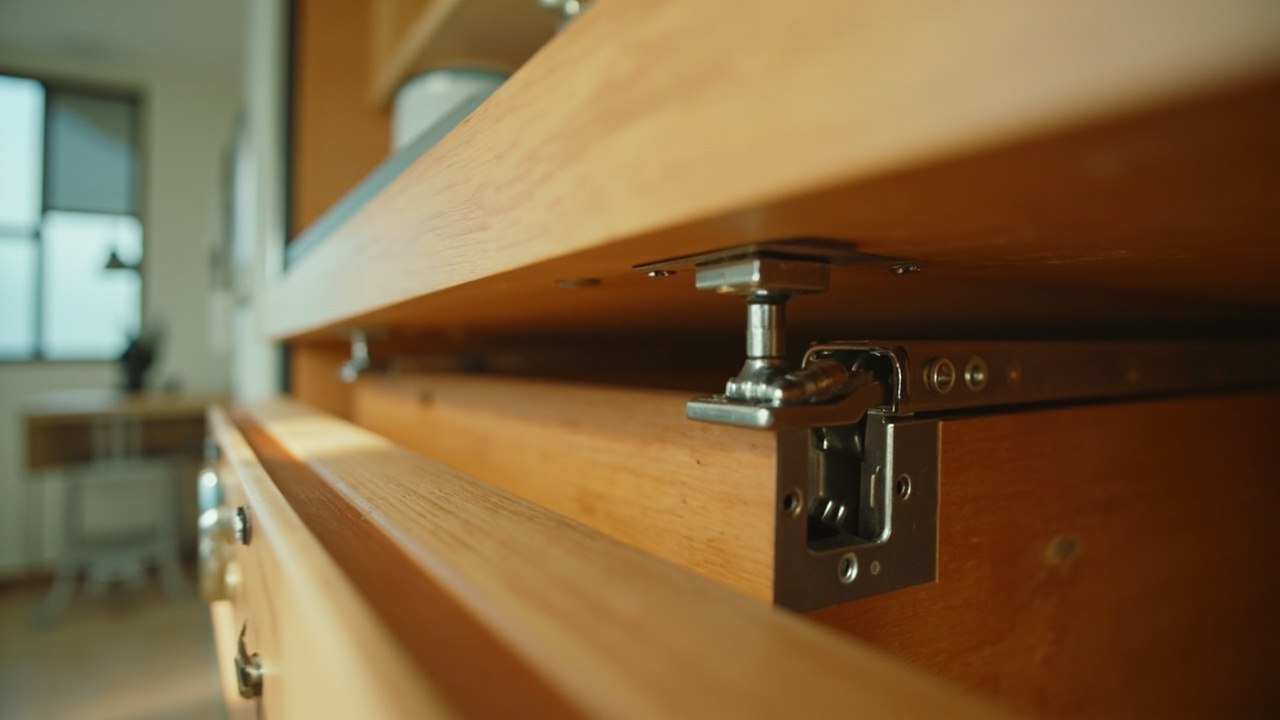
Open the thickest carton at the bottom of the pallet — that is where damage hides. Measure board thickness (claim 18 mm, accept 17.5 mm minimum) and run a fingernail along the PVC edge banding to feel for lifts. Cycle every hinge and drawer slide ten times; soft-close should engage smoothly from 30 mm open. Check that the door panel colour matches the approved sample under daylight, not factory fluorescent light.
Doors and windows: profiles, glass and weather seals
For aluminium windows, measure the profile wall thickness at a cut end — 1.4 mm is the minimum for exterior grade. Inspect the weather strip for continuity and compress it between two fingers; it should spring back fully. Verify the glass is the certified thickness (5 mm single, 5+9A+5 for double glazed) and that the butyl seal on the spacer bar is unbroken. For steel security doors, drop the door leaf 20 mm onto the frame and listen for a solid, rattle-free thud.
Sanitary ware: glaze, fit and flush
Run a hand across the glaze of a basin or toilet — a well-applied glaze is mirror-smooth with no orange peel. Check the trap of a toilet for through-flow by pouring a litre of water; slow drainage indicates a casting defect. Confirm the P-trap and S-trap options match the destination market plumbing. On faucets, the cartridge weight is a reliable proxy for quality: brass cartridges outlast plastic by years.
Lighting: electrical safety and finishing
For every luminaire, request a Hi-Pot (dielectric strength) test record and verify the driver has the destination market certification (CE, UL, SASO). Inspect chrome plating under strong light for micro-pits, and check that the wire exit gland is properly strain-relieved. Sample-test three pieces per model: full brightness for 30 minutes, then measure temperature rise at the driver — anything above 60 degrees Celsius reduces lifespan sharply.
Run this checklist on an AQL 2.5 sampling basis (inspect enough pieces to be statistically representative, not every single item), photograph every defect, and issue a defect note before the container is sealed. The cost of one inspection day is trivial next to the cost of replacing a container of rejected goods on the other side of the world.