





Building Materials Sourcing Budget Planning: Hidden Costs Revealed
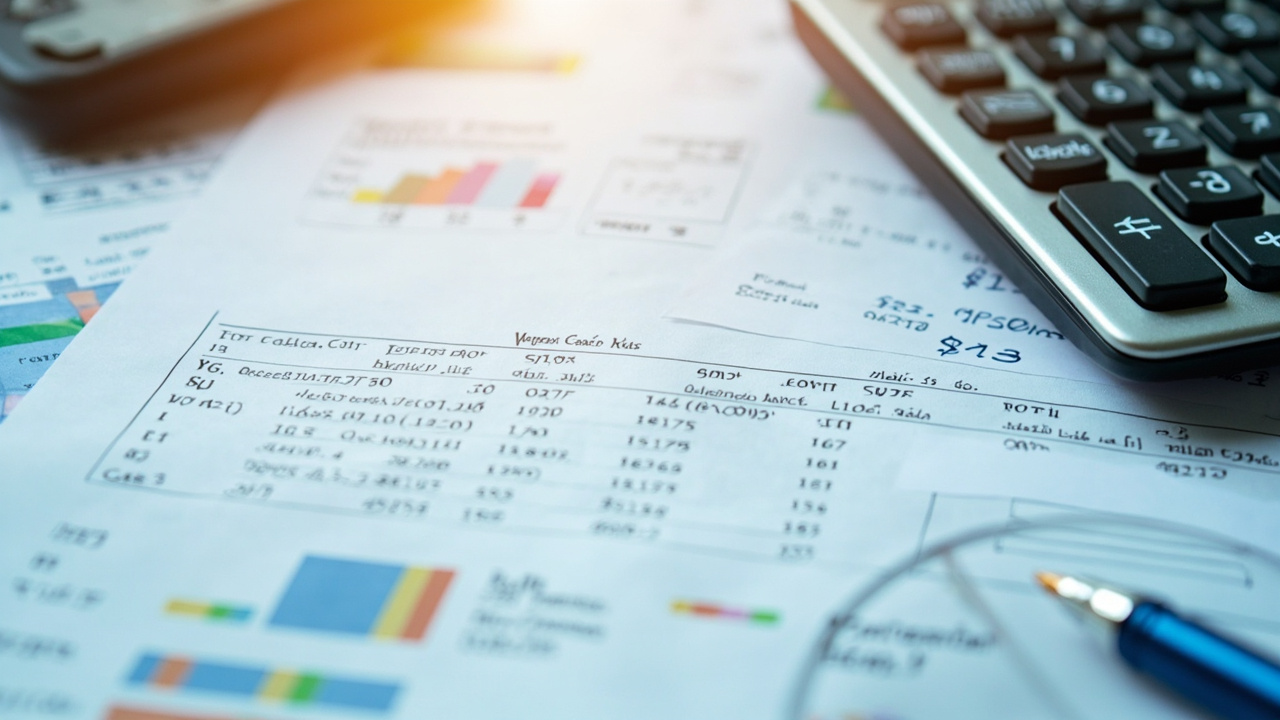
First-time buyers of Chinese building materials almost always make the same mistake: they treat the factory unit price as the project budget. In reality, the unit price is only the first of fifteen or more cost layers that separate a profitable import from an expensive lesson. This guide walks through the full landed-cost model, so the quote that looks attractive on a spreadsheet still looks attractive after the container is delivered to the warehouse.
From factory gate to your warehouse: the eight core layers
The true landed cost of an imported pallet of tiles, cabinets or sanitary ware is built up from eight core layers. First is the ex-works unit price, the figure on the proforma invoice. Second is export packing: pallets, corner protectors, desiccants and shrink wrap, which typically adds three to six percent. Third is the inland freight from the factory to the port of departure. Fourth is the origin port and documentation fee, including customs declaration and the bill of lading. Fifth is ocean freight, which fluctuates with the carrier and season. Sixth is marine cargo insurance, usually 0.3 to 0.5 percent of the insured value. Seventh is destination port charges, including THC and handling. Eighth is the import duty plus any anti-dumping surcharge.
The seven hidden costs that quietly erase margin
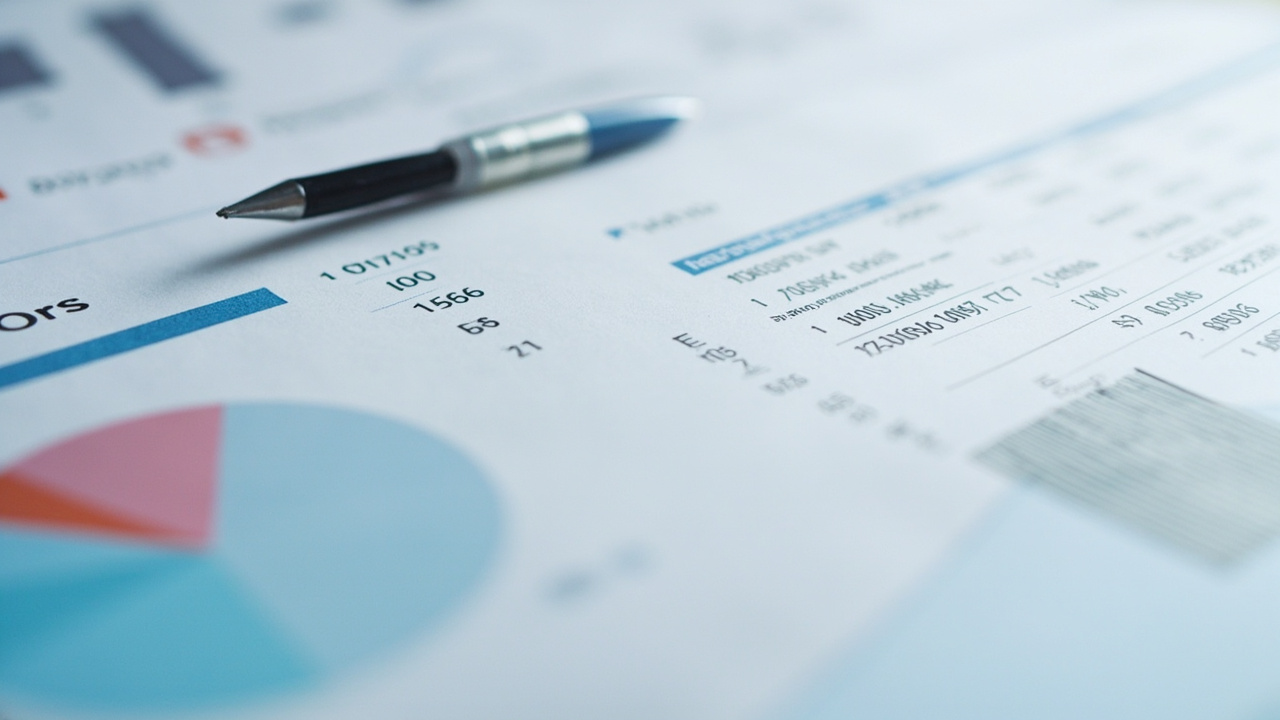
Beyond the eight core layers, seven recurring charges catch buyers by surprise. Inspection fees, whether pre-shipment or during-production, add 200 to 600 dollars per man-day. Sample and prototype costs, including air freight, can reach two percent of order value on small orders. Currency exchange spreads and wire-transfer bank fees quietly eat half a percent. Demurrage and detention charges at the destination port accumulate fast if customs documents are not ready. Inland delivery from the destination port to the project site, often forgotten, can match the ocean freight. Value-added tax and customs broker fees add another layer. Finally, a quality-loss allowance for breakage, colour rejects and short shipment should be budgeted at two to three percent.
Building a realistic contingency
Even a complete landed-cost model can be overturned by events outside the spreadsheet: a shipping line rate hike, a port congestion surcharge, a delayed vessel that triggers air freight for a critical sample, or a sudden anti-dumping investigation. A professional budget sets aside a contingency of eight to twelve percent of the ex-works value for the first order with a new supplier, dropping to five to seven percent once the relationship and the quality performance are proven. Without this buffer, a single unexpected charge turns a planned ten percent margin into a loss.
A sample budget for a 40-foot container of cabinets
To illustrate, take a 40-foot container of kitchen cabinets quoted at 24000 dollars ex-works. Export packing adds 900 dollars; inland freight to port adds 450; origin fees add 380; ocean freight to a South-East Asian port adds 1800; insurance adds 130; destination port charges add 750; import duty at eight percent adds 1920; customs broker and VAT add roughly 1500. The hidden layers, inspection, sampling, bank and breakage allowance, add another 1100. The landed cost reaches approximately 33000 dollars, nearly 38 percent above the factory quote, which is exactly why a naive budget based on unit price alone always disappoints.
Treat budget planning as a structured landed-cost exercise rather than a price comparison, build in a real contingency, and the import project that looked tight on paper becomes reliably profitable in practice.