





Building Materials Packaging for Export: Cartons, Pallets and Crates

Packaging is the silent half of a building-material order. A cabinet built to premium spec, shipped in a soft carton with no corner protection, arrives as scrap. The same cabinet, wrapped to export grade, arrives ready to install. This article breaks down the packaging layers that actually protect goods on a long ocean voyage, covering carton board strength, pallet and ISPM-15 rules, crate design for fragile cargo, and the small consumables, corner protectors, shrink wrap, edge tape, that separate a good pack from a claim.
Carton strength: ECT and burst ratings that mean something
Not all corrugated cartons are equal, and the difference is measurable. Two numbers matter. Burst strength, expressed in kilograms per square centimetre or pounds per square inch, measures the force needed to puncture the board. Edge Crush Test, or ECT, measures the stacking strength of the board, which matters far more for export because cartons spend weeks bearing the weight of the cartons above them. For lightweight items like small tile boxes or faucet accessories, an ECT 32 board is generally adequate. For cabinetry cartons that will be stacked five high in a container, specify ECT 44 or higher, with a burst strength above 12 kilograms per square centimetre. Asking the supplier for the board spec in writing, and checking it against a sample carton, eliminates the most common cause of crushed goods.
Pallets and the ISPM-15 rule that cannot be ignored
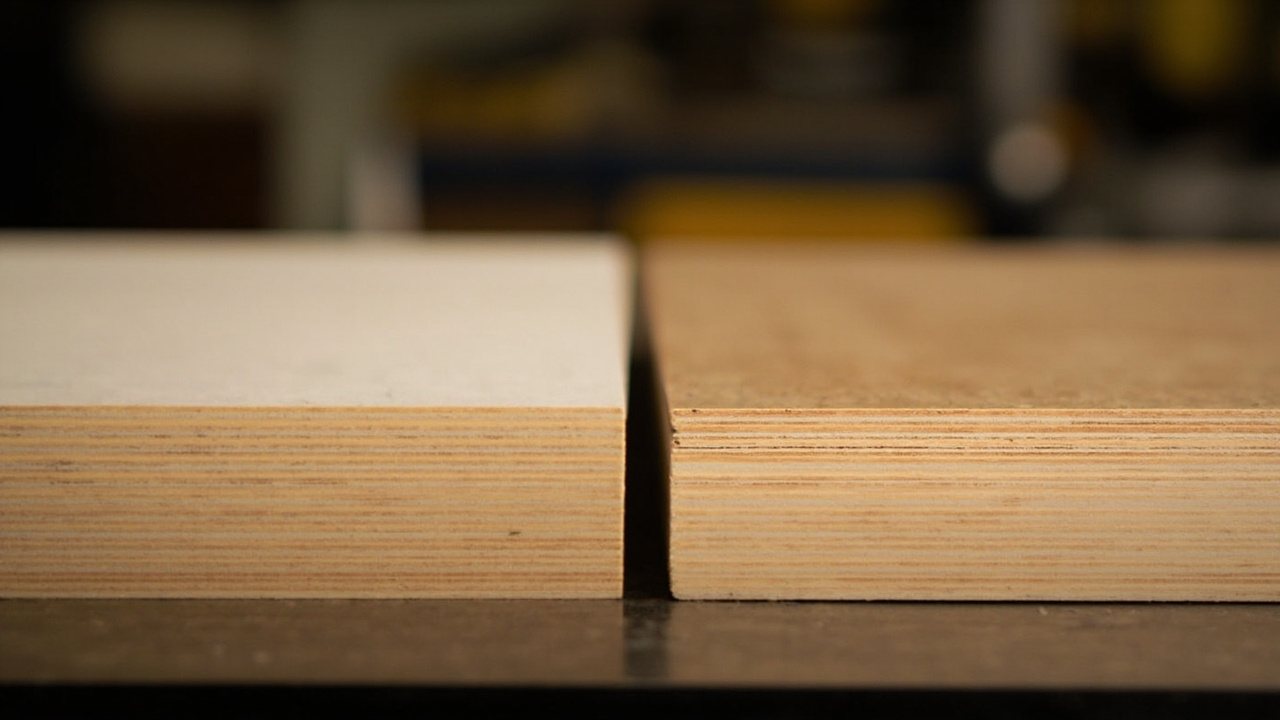
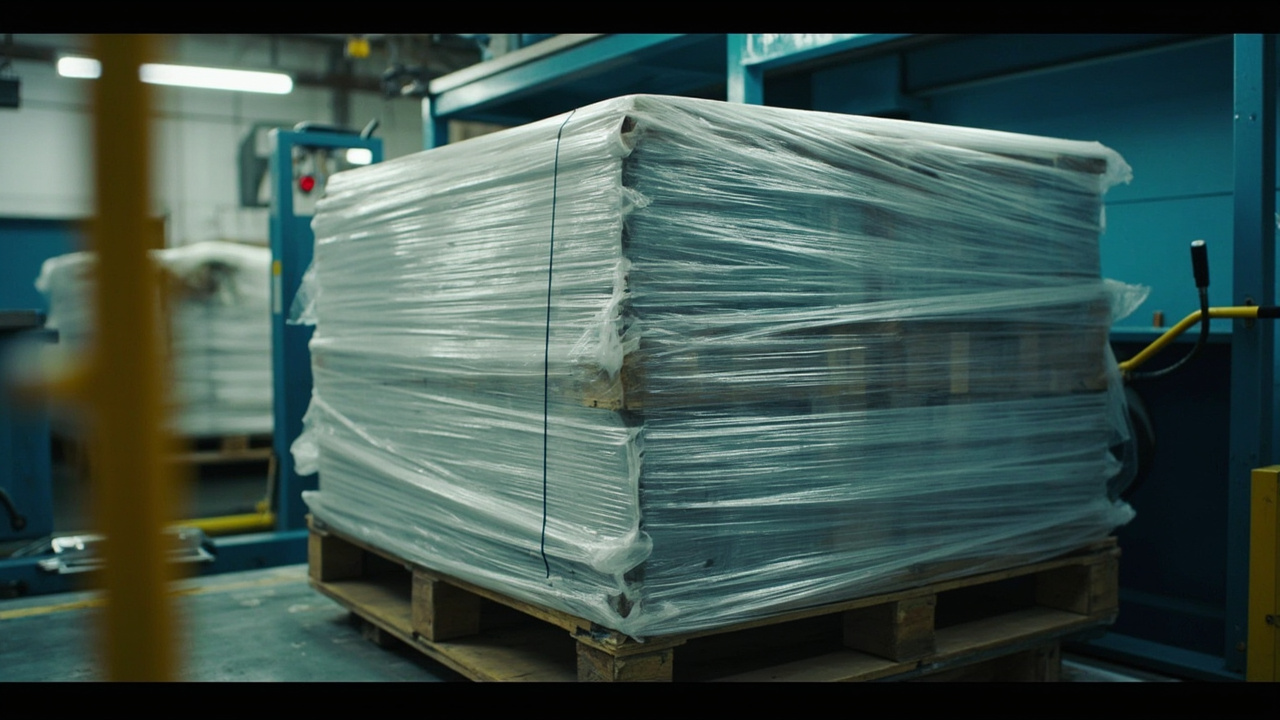
Pallets standardise handling and protect goods from a wet container floor. For export, the pallet itself is regulated. The ISPM-15 standard requires that all solid-wood packaging material be heat-treated or fumigated and stamped with a compliance mark showing the country code, the treatment type and a unique facility number. Customs in nearly every importing country will refuse, fumigate at the buyer expense, or destroy unmarked wooden packaging. Two safe options exist: use ISPM-15-compliant timber pallets with a visible stamp, or skip the issue entirely with plastic or pressed-wood pallets that are exempt from the rule. Plywood and oriented strand board are also exempt, which is why many Chinese exporters now use engineered pallets for repeat shipments.
Crates for fragile and high-value cargo
Some cargo cannot travel safely in a carton on a pallet. Large-format tiles, marble and granite slabs, glass shower panels, bathtubs and sculptural sanitary ware all require a wooden crate built around the product. A proper export crate is not just a box; it is an engineered structure. It uses a frame of load-bearing timber, an inner skin of plywood or oriented strand board, internal bracing that holds the product firmly, and cushioning of foam or corrugated panels at every contact point. For stone slabs, the crate must hold the slabs vertically on edge, not flat, with an A-frame inside, because slabs lying flat crack under their own weight and the weight of other cartons stacked on top. Every piece of solid wood in such a crate must carry the ISPM-15 mark.
Corner protectors, edge boards and the consumables that save cargo
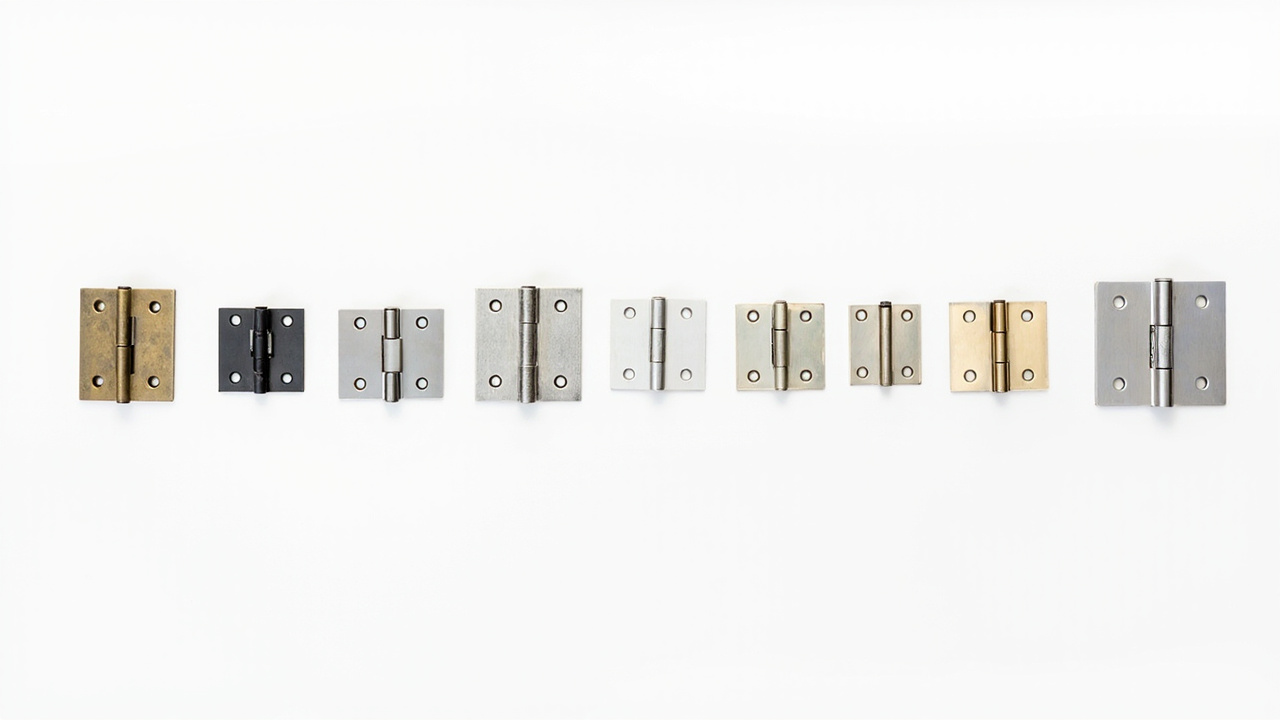
Between the carton and the crate sits a family of small consumables that quietly do most of the protective work. Edge boards, the L-shaped cardboard profiles placed over the vertical edges of a carton or pallet stack, spread the load from strapping and prevent the top cartons from crushing the ones below. Corner protectors, made of plastic or rigid board, sit under strapping so the steel or polyester band does not cut into the carton. Shrink wrap, applied as a tight film over a palletised load, locks the cartons into a single weather-resistant unit and adds a layer of moisture protection. VCI paper, wrapped around metal parts such as hinges, tracks or profiles, releases corrosion inhibitors that keep bright zinc or chrome finishes from blooming white during the voyage.
Marking, sealing and the packing list
The outside of the carton tells the whole story of the contents to everyone who handles it. Shipping marks must show the buyer name or logo, the purchase order number, the item number, the carton sequence (carton 1 of 24), the gross weight, and the country of origin. Handling symbols, upright glass, fragile, keep dry, must be printed, not hand-written, and must be large enough to read from a metre away. Each carton should be sealed with tamper-evident tape, and the master packing list, placed inside a pouch on carton one of each item, should match exactly the list emailed to the buyer and freight forwarder. When every carton, pallet and crate carries the right marks and the right consumables, the goods travel as a documented, protected system rather than as loose boxes hoping for the best.
Good packaging is not glamorous, but it is where the factory either proves or betrays its export experience. A supplier that talks fluently about ECT ratings, ISPM-15 marks and A-frame crate design is a supplier that has shipped enough containers to have learned the hard way. Specify the packaging in the purchase order, verify it against the sample carton, and check it during loading supervision. The cost of upgrading from a soft carton to an export-grade pack is a few dollars per carton; the cost of a crushed container is the order itself.