





Building Materials Lead Time Planning: A Realistic Schedule from Order to Warehouse
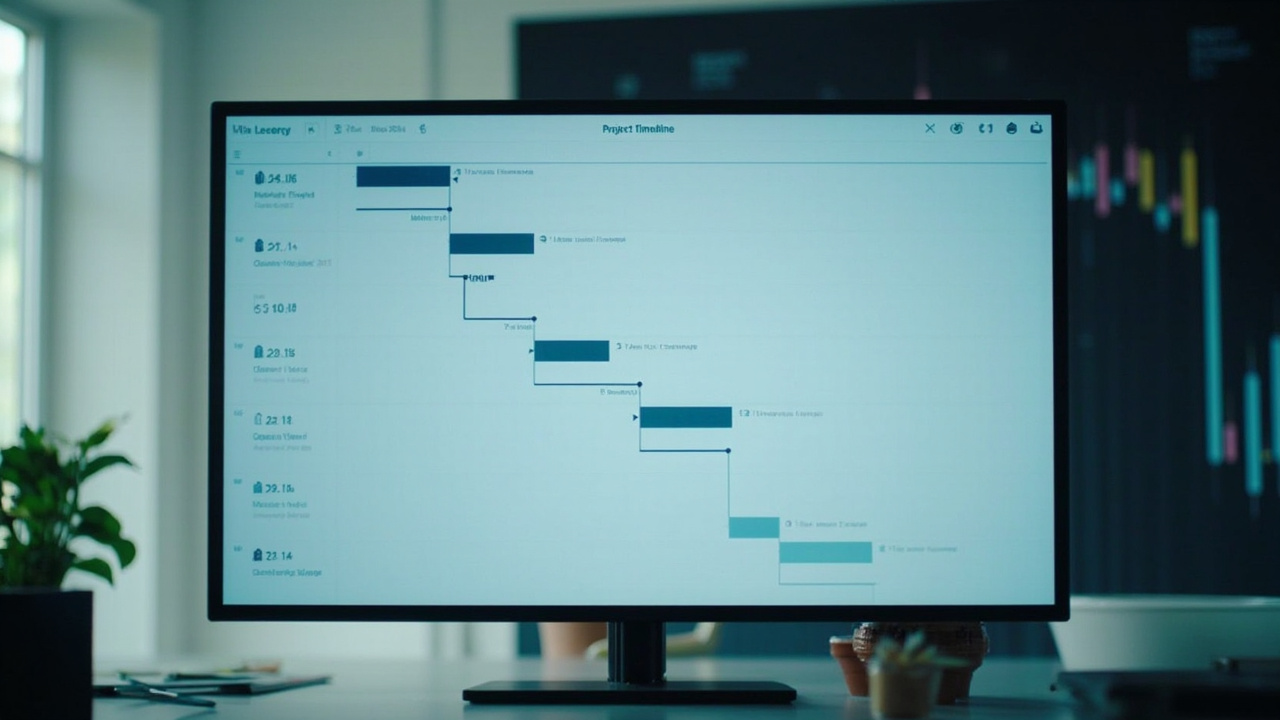
Ask a Chinese factory for a lead time and the answer is almost always optimistic, because the number quoted is usually the clean production time under ideal conditions, with none of the friction that surrounds an actual export order. The buyer who plans a project around that number is planning around a fiction, and the gap between the quoted lead time and the real elapsed time from order to delivered container is where most schedule disappointments are born. This guide breaks the import timeline into its genuine components, explains where time actually goes, and shows how to build a schedule that is honest about every stage rather than hopeful about only one.
Production time and the variables that stretch it
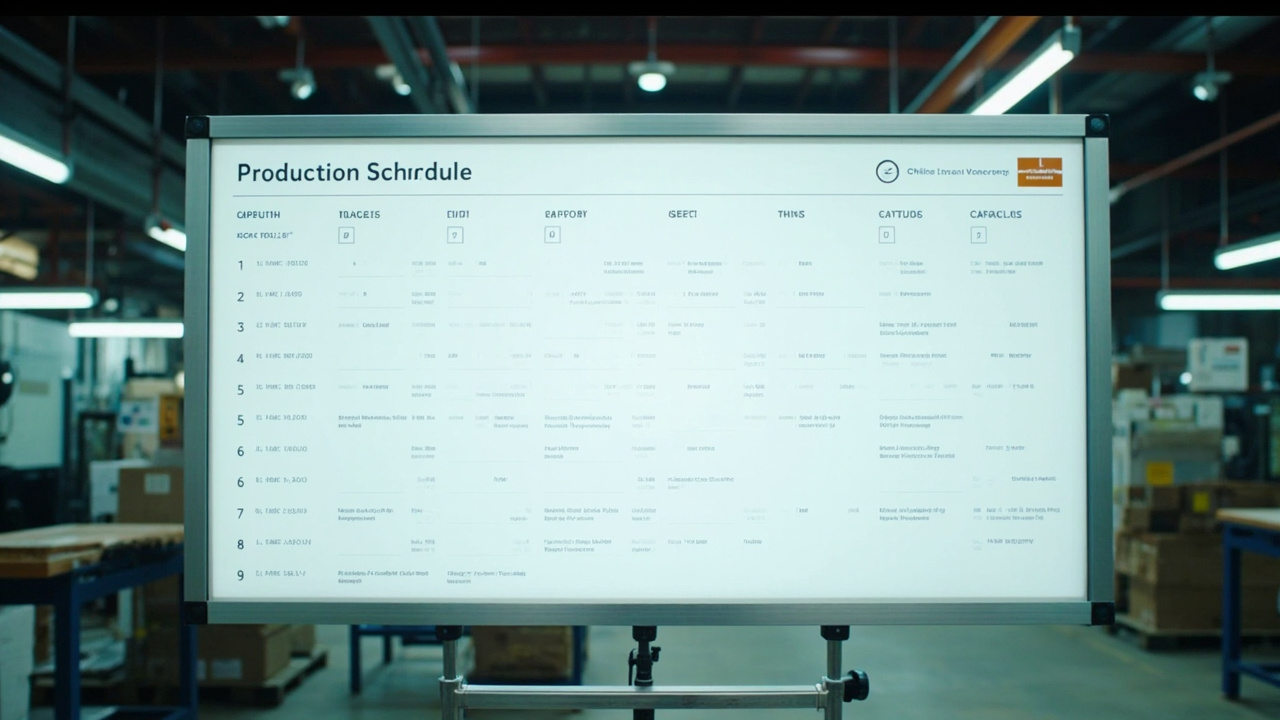
Production time is the period from the receipt of the deposit and the confirmed order to the completion of the finished goods, and for building materials it typically ranges from fifteen to forty-five days. The variables that stretch it are predictable: the order quantity relative to factory capacity, the availability and lead time of raw materials, the complexity of any customisation, the number of colour or finish variants in the order, and the factory current load from other orders. A standardised product in catalogue colours on an established production line runs to the short end of the range, while a customised product in a buyer exclusive finish during peak season runs to the long end. The negotiating point at order placement is to ask the factory for a production schedule with milestones, not a single number, because a schedule reveals whether the factory has actually reserved the line capacity or is merely hoping to fit the order in.
Quality inspection and the time it really takes
Once production reaches eighty to one hundred percent complete, the pre-shipment inspection takes place, and a realistic inspection window is two to five days depending on the order size and the number of products to be checked. The inspection itself is a single day on site for most orders, but the scheduling, the travel to the factory, the report writing, and the time to resolve any findings all add up. If the inspection fails, the timeline stretches further, because the factory must rework or replace the defective units and the inspection must be repeated, and a serious failure can add a week or more. The practical implication is that the inspection window should be planned into the schedule as a fixed block, not as a line item that can be compressed when the factory is late, because compressing the inspection is the most reliable way to ship defective goods.
Booking, loading and the window before sailing
With the inspection cleared, the freight forwarder books the vessel, the container is delivered to the factory, the goods are loaded under supervision, the container is sealed and trucked to the port, and the bill of lading is issued. This booking and loading window usually takes three to seven days, and it is the stage most vulnerable to port congestion, vessel space shortages and customs export formalities. During peak season, vessel space on popular routes can be tight, and a container that misses its intended sailing may wait a week for the next available vessel. The forwarder role here is critical; a forwarder with a strong relationship to the carrier can hold space and secure a booking that a weaker forwarder cannot, and the few hundred dollars of difference in forwarding fees can translate into a week of difference in sailing date.
Ocean transit and its honest range
Ocean transit is the longest single component of the import timeline, typically fifteen to thirty-five days depending on the route, and it is also the least compressible. A container from a Chinese port to a West Coast destination in the Americas runs to the shorter end, while the same container routed to an East Coast destination or to a European port with transhipment runs to the longer end. Transit times also vary with the carrier schedule reliability, the number of transhipment ports, and seasonal weather disruptions, and a published transit time is an average rather than a guarantee. The practical implication is that the transit window in the schedule should be the realistic range, not the best-case figure, because a project planned on the best-case transit will be late on the average one.
Customs clearance, inland delivery and the final stretch
When the container discharges at the destination port, the customs clearance and inland delivery window is typically three to seven days under normal conditions, and longer during port congestion or customs examination. Customs clearance depends on the completeness and accuracy of the paperwork, the duty and tax payment, and any product-specific requirements such as certification checks or anti-dumping duty assessments. A container selected for customs examination will sit at the port for several extra days, and the associated demurrage and examination fees can be substantial. The inland delivery from the port to the warehouse adds another day or two depending on distance, and the schedule should treat the delivery date as the true end of the import, because a container sitting at the port awaiting inland trucking is not yet a delivered order.
A realistic import schedule adds these stages together with a contingency for the friction that almost always appears, typically ten to fifteen percent on top of the clean total. A schedule built this way, from order placement to goods in warehouse, runs roughly eight to twelve weeks for a standard building materials order, and the buyer who communicates this timeline honestly to their own customers avoids the false promises that create later disputes. The factory quoted production time is one input into this schedule, not the schedule itself, and the buyer who understands that distinction is the buyer whose project arrives on time, because the schedule was built around reality rather than around hope.