





Building Materials Inspection in China: Pre-Production, During and Pre-Shipment
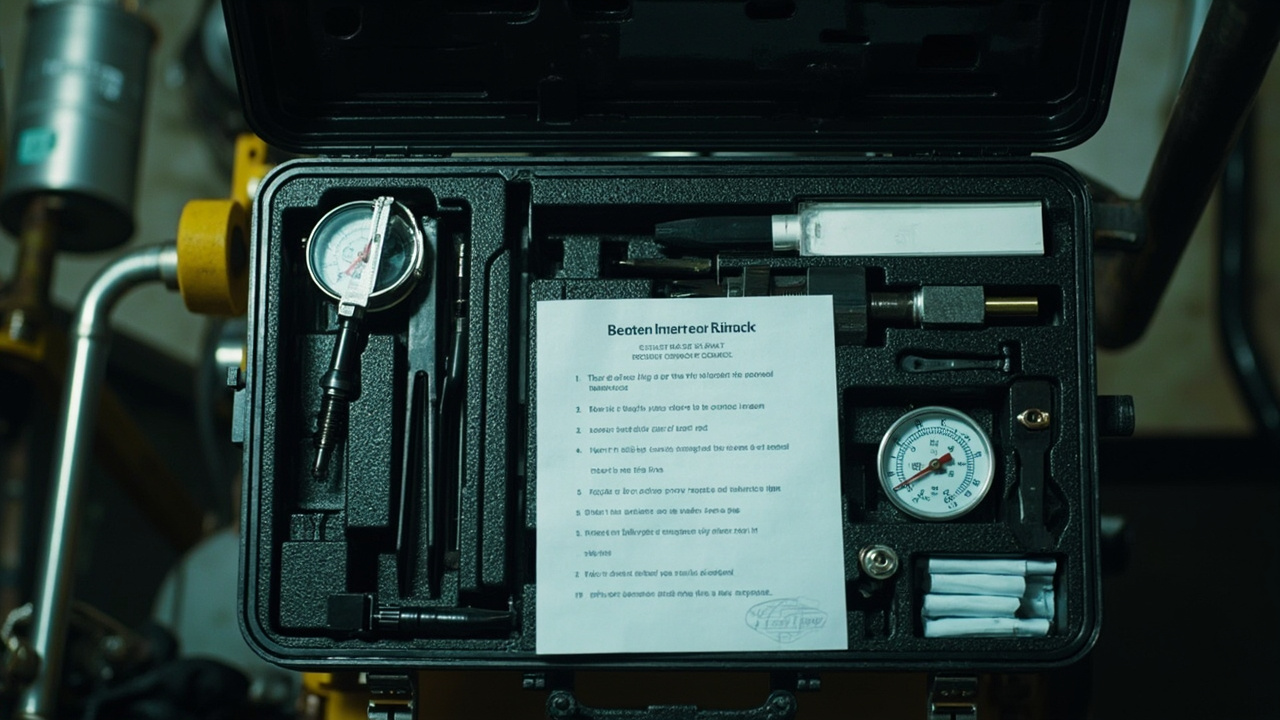
Inspection is not a single event that happens the day before shipping. In serious building-material sourcing it is a sequence of three staged checks, each catching a different class of problem at the moment it is cheapest to fix. Treating inspection as one pre-shipment visit is the most common reason buyers receive containers they then have to argue about. This article explains what each of the three inspections does, how the AQL sampling logic actually works, and which defects to chase for tiles, cabinets, sanitary ware and furniture.
Pre-production inspection: lock the inputs
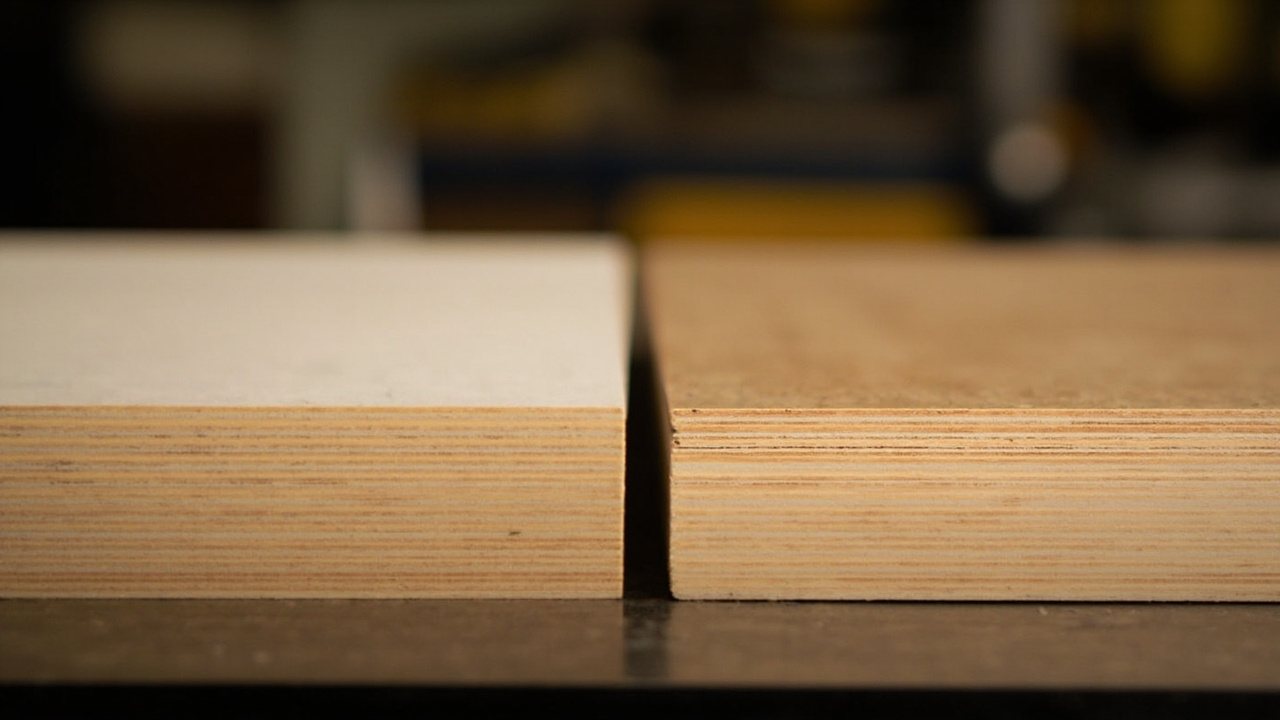
A pre-production inspection (sometimes called an initial production check) happens before mass production starts, sometimes while the first pieces come off the line. Its job is narrow but powerful: confirm that the raw materials, components and reference samples match what was agreed. For cabinets, that means verifying the board grade, thickness, formaldehyde emission class and PVC edge tape. For faucets it means checking the brass bar stock and the cartridge brand. Catching a substitution here, when the supplier has only committed a day of labour, is infinitely cheaper than discovering it in a finished carton three weeks later.

During-production inspection (DUPRO): catch the drift
The during-production inspection, or DUPRO, is scheduled when roughly 20 to 50 percent of the order is complete. Its purpose is to detect process drift before the whole run is finished. A common scenario: the first batch of cabinet doors matches the golden sample, but by batch three the operator has changed and the lacquer thickness has dropped. DUPRO catches exactly this. The inspector pulls random units from the line, checks dimensional tolerance, finish, assembly and function, and flags anything trending away from spec so the factory can correct the process immediately rather than after the entire order is built.
Pre-shipment inspection (PSI): the final gate
The pre-shipment inspection is the best-known checkpoint and the last chance to refuse goods before they leave the country. It takes place once the order is at least 80 percent complete and fully packed. The inspector works to an agreed AQL plan, opening randomly selected cartons, counting quantities, checking shipping marks and running functional tests. A clean PSI report is what allows the buyer to authorise final payment and release the container. A failed PSI is what allows the buyer to demand rework or replacement while the goods are still at the factory, before freight and duty have been spent.
How AQL sampling actually works
AQL stands for Acceptable Quality Limit, the international standard (ISO 2859-1) that defines how many units an inspector must sample and how many defects are tolerated. The buyer specifies three AQL levels, one each for critical, major and minor defects. For most building-material orders the default is AQL 0 for critical, 2.5 for major and 4.0 for minor. From the order quantity and inspection level (usually General Inspection Level II), the standard yields a sample size code letter, which in turn yields the number of cartons to open and units to test. The inspector is not making up the rules; the standard tells them exactly how many pieces to pull and when the lot passes or fails.
Defects worth fighting for, by category
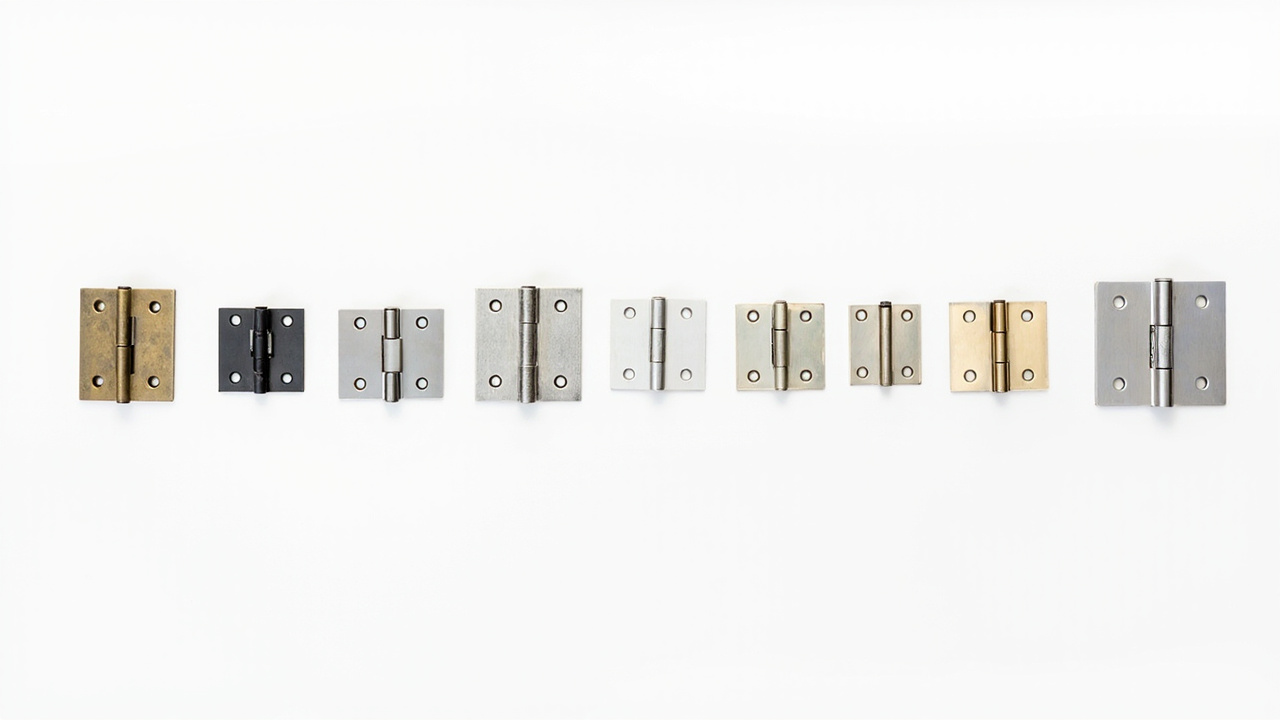
Not every defect is equal, and what counts as major changes by product. For ceramic and porcelain tiles, the high-value defects are size deviation beyond a quarter millimetre, warpage, visible colour difference between cartons, and chipped or pinhole glaze. For kitchen and wardrobe cabinets, watch for board moisture above 12 percent, edge-band peel, hinge misalignment and colour mismatch between doors of the same batch. For sanitary ware, inspect the glaze for pinholes, check the flush performance on a sample of toilets, and verify the brass body weight on faucets. For furniture, the recurring issues are frame squareness, foam density below spec, fabric pattern alignment and leg levelling. Giving your inspector a category-specific checklist turns a generic visit into a targeted audit that catches the defects that actually cause claims.
The three-stage inspection model exists because each stage pays for itself many times over. A pre-production check costs a fraction of one container and can prevent an entire wrong-material run. A DUPRO visit catches process drift before it becomes a full batch. A PSI report is the documentary backbone of any later claim. Buyers who use all three rarely end up in disputes; buyers who skip to the last one often do.