






Building Materials Consolidation Warehouse in China: Multi-Supplier Shipping
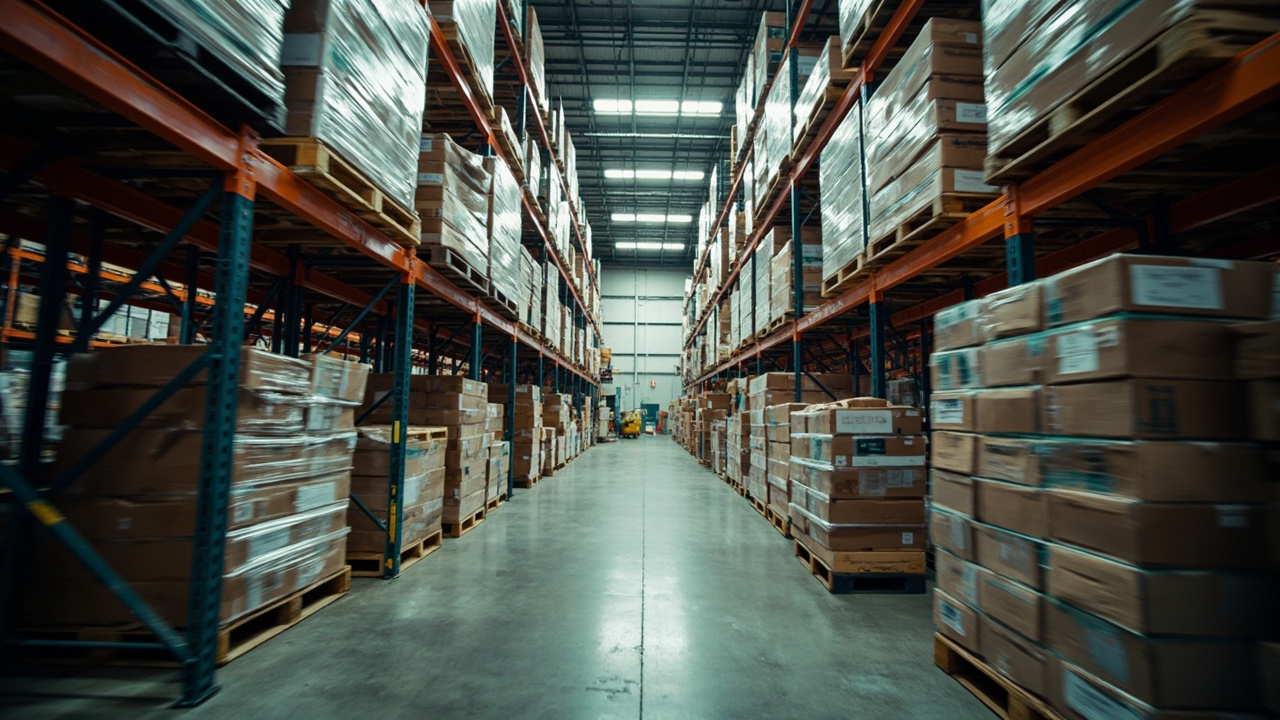
Few real building projects buy everything from a single factory. A typical order combines tiles from Foshan, cabinets from Guangzhou and lighting from Zhongshan, with each supplier quoting on a different Incoterm and a different production timeline. Left unmanaged, these shipments become three separate less-than-container loads, each paying minimum freight charges and each exposed to the damage risk of shared consolidation. A consolidation warehouse solves the problem by gathering all the cargo in one place, checking it and loading it into a single container. This guide explains how to run that process cleanly.
Why consolidation changes the economics
The economic case for consolidation is simple arithmetic. Three LCL shipments of twelve cubic metres each pay minimum freight on a combined thirty-six cubic metres, plus three separate destination handling charges and three customs broker filings. Consolidated into one forty-foot container, the same cargo travels at a single FCL rate, with a single handling fee and a single customs entry. On a typical project, consolidation cuts total freight and destination charges by twenty to thirty percent and reduces customs broker fees by two-thirds. Equally important, an FCL container is sealed at the warehouse and opened only at the destination, which removes the crushing damage risk inherent to LCL consolidation.
The quality check before consolidation
Consolidation only delivers its savings when each incoming shipment is checked at the warehouse before it is loaded into the container. The check should cover three things: carton count against the supplier packing list, visible damage on the carton exterior, and a random opening of a small sample of cartons to confirm the contents match the order. This incoming inspection is the moment to reject a defective batch and demand a replacement from the supplier, before the goods enter the consolidated container and become impossible to attribute to a single source. A consolidation warehouse that skips this step is simply a shipping address, and the savings it produces will be consumed by the first quality claim.
Repacking, pallets and mixed loading
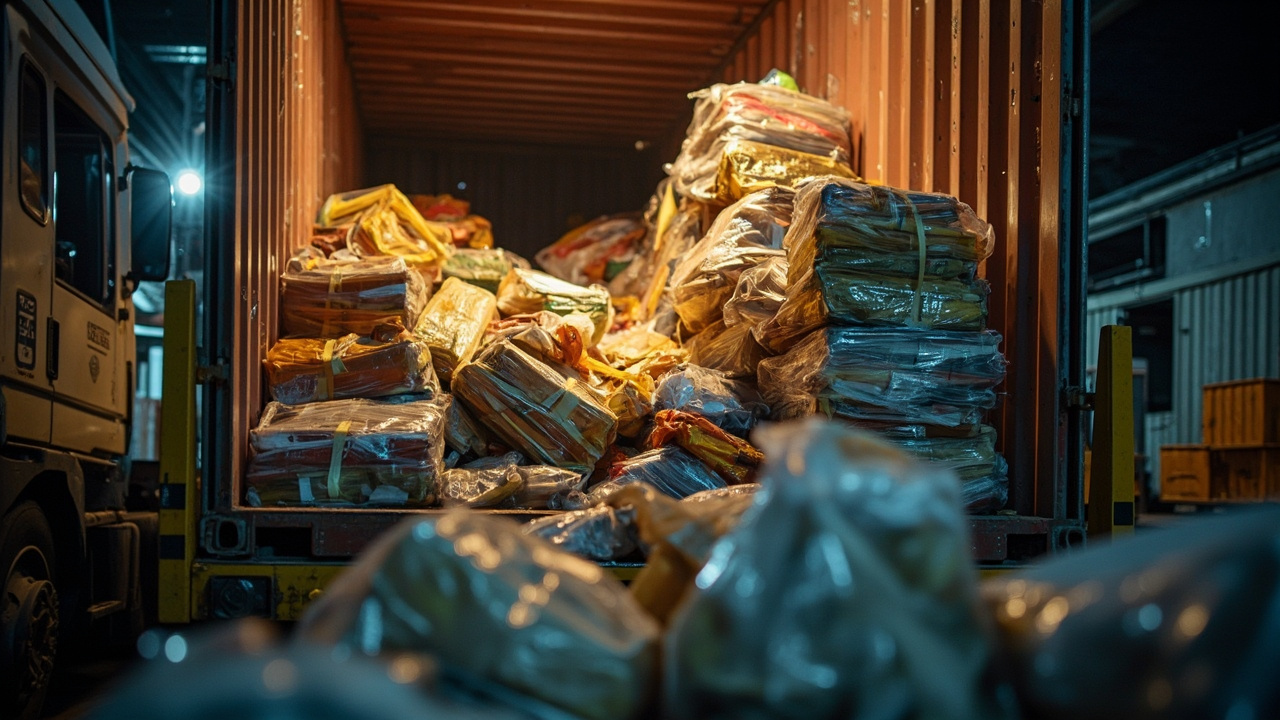
Suppliers arrive with inconsistent packaging: some on pallets, some loose, some in oversized cartons. A capable consolidation warehouse will repack the loose cargo onto standard export pallets, replace crushed cartons, and apply corner boards and shrink wrap to mixed stacks. The mixed loading plan, which the warehouse produces before stuffing the container, places heavy cargo such as tiles and stone at the bottom, fragile items such as sanitary ware in the middle, and light cargo such as lighting and small hardware on top, with dunnage between each layer. Loading an entire container to a single cargo plan takes four to six hours and should be supervised, either in person or by a third-party loading service, with timestamped photographs of every row.
Warehouse fees, timeline and contract
Consolidation warehouses charge in three ways: a receiving fee per carton or pallet, a storage fee per cubic metre per day beyond an agreed free period, and a consolidation fee per container loaded. Free storage usually runs seven to fourteen days, after which daily charges accumulate quickly, so the project schedule must keep supplier deliveries and the vessel booking tightly aligned. Before signing, confirm the warehouse publishes its fee schedule in writing, that it provides a daily inventory report of received goods, and that it accepts liability for damage that occurs on its premises. The best warehouses also offer a single consolidated commercial invoice and packing list, which simplifies customs clearance at the destination considerably.
Consolidation is not a free service, but it pays for itself the first time a mixed project is shipped as a single container rather than three scattered LCL shipments. Choose a warehouse that inspects on arrival, repacks properly and documents everything, and multi-supplier sourcing becomes a cost advantage instead of a logistics headache.