





AQL Sampling Standard for Building Materials: Acceptable Quality Levels

When a third-party inspector arrives at a Chinese factory to check a kitchen cabinet order or a tile consignment, the verdict on whether the batch passes or fails is rarely a gut judgement. It is the outcome of a statistical framework called Acceptable Quality Limit, abbreviated AQL. AQL is the international language of pre-shipment inspection and it governs how many units are sampled, how many defects are tolerated and when a whole batch must be rejected. Understanding AQL lets a buyer set the inspection standard in the purchase contract, read an inspection report critically and negotiate remediation from a position of knowledge rather than guesswork.
The origin and logic of AQL
AQL was codified in ISO 2859-1 and its ANSI counterpart, originally derived from military procurement standards during the Second World War. The logic is simple: testing every unit is impractical for high-volume goods, and accepting or rejecting on a single sample is statistically weak. AQL instead prescribes a sampling size derived from the batch size, then defines the maximum number of defects allowed in that sample for the batch to pass. The framework balances producer risk (a good batch wrongly rejected) against consumer risk (a bad batch wrongly accepted), with the AQL value itself representing the worst tolerable quality level for a process that is operating acceptably.
Inspection levels and the default of Level II
The standard defines three general inspection levels, I, II and III, plus four special levels for destructive or expensive testing. Level II is the default and the right choice for almost all building material inspections. Level I samples fewer units and is used when inspection cost must be minimised on a stable, trusted supplier. Level III samples more units and is reserved for new suppliers, sensitive products or situations where a previous batch failed. Choosing the level changes the sample size but not the AQL limit itself, so a higher level simply raises the confidence that the verdict reflects the true quality of the batch.

Critical, major and minor defect categories
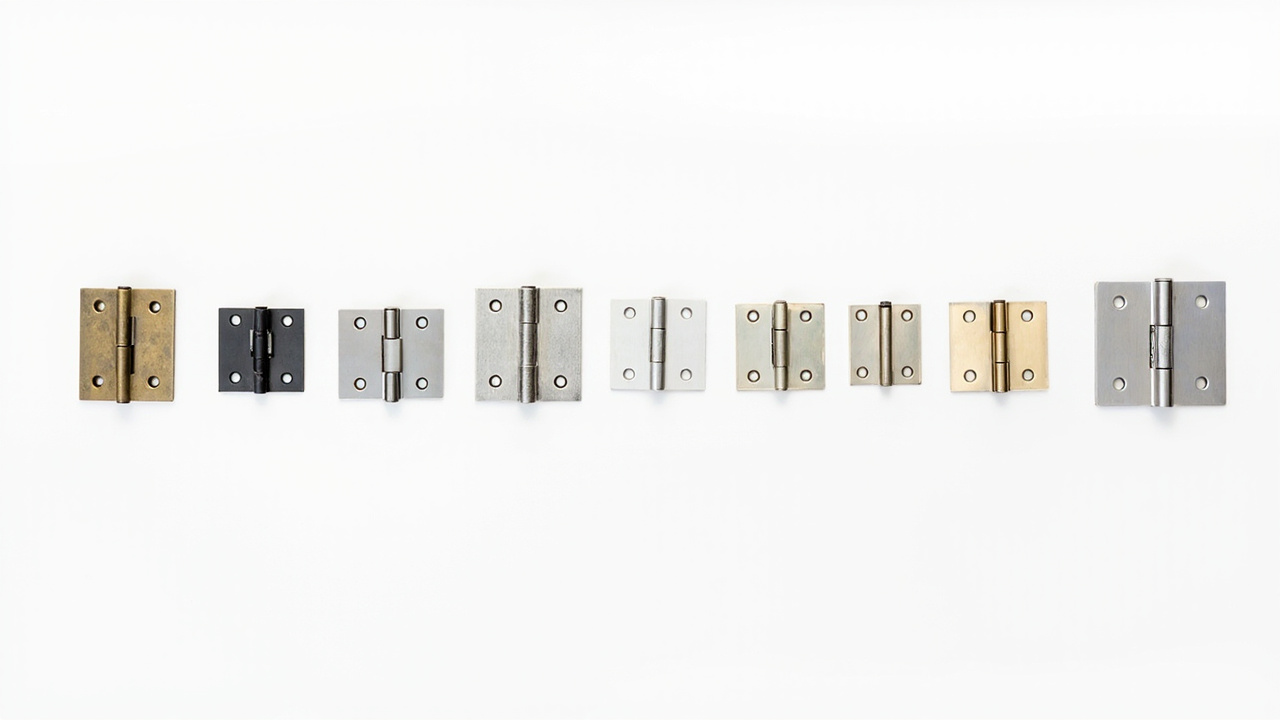
AQL classifies defects into three categories that are scored separately. Critical defects are those that could cause harm to a user or violate a mandatory regulation; the AQL for critical defects is typically set at zero, meaning a single critical defect rejects the batch. A cabinet door with a sharp burr that could cut a hand, or a faucet that leaches lead above the legal limit, are critical defects. Major defects are functional or visible problems that would cause a customer to reject the unit: a chipped tile edge, a hinge that does not close, a colour mismatch on a door panel. Minor defects are cosmetic blemishes that do not affect function or first-impression appearance, such as a faint scratch on the back panel or a slightly uneven paint film on a hidden surface. The most common AQL settings for building materials are critical zero, major 2.5 and minor 4.0.
Reading the two-table sampling system
AQL inspection follows two linked tables. The first table converts the batch size, in units, into a code letter based on the inspection level. A batch of 3,000 tiles under Level II produces code K, for example. The second table takes that code letter and the AQL limits to give the sample size and the acceptance and rejection numbers. For code K with AQL 2.5 for major defects, the sample size is 125 units and the batch passes if 7 or fewer major defects are found, failing if 8 or more are found. The inspector does not decide subjectively; the tables decide, and the inspection report should quote both the sample size and the accept/reject numbers so the buyer can verify the verdict independently.
Applying AQL to tiles, cabinets and faucets
The AQL framework is product-agnostic, but the defect definitions are product-specific. For ceramic and porcelain tiles, inspectors check for chips on edges and corners, glaze pinholes, size deviation beyond the stated calibration, warpage measured against a straight edge, and shade consistency against a master sample. For kitchen and wardrobe cabinets, the checks cover door panel colour consistency, hinge opening cycles, drawer slide smoothness, edge banding adhesion and screw torque at the cam locks. For faucets and sanitary fittings, the inspection includes plating uniformity, surface finish, thread integrity, weight as a proxy for brass content and a leak test under pressure. Each product has a short checklist of typically fifteen to twenty checkpoints, and the inspector ticks each one for every sampled unit, accumulating defects into the three AQL buckets.
AQL is not a guarantee of zero defects; it is a calculated probability of detecting a batch whose defect rate exceeds the agreed limit. Buyers who set AQL explicitly in the purchase order, choose Level II by default, tighten to Level III for new suppliers and define the defect categories in advance end up with inspection reports that are unambiguous and enforceable. Treated as a contract tool rather than a technicality, AQL turns pre-shipment inspection from a discretionary ritual into a measurable standard that protects both the buyer and the supplier.