






Apartment Building Materials Sourcing: 50-Unit Project Case

A 50-unit apartment block is small enough to be treated as one project and large enough that a sourcing mistake is multiplied fifty times. This case follows a developer who fitted out an entire residential building from Chinese suppliers, organised the order into three packages — kitchen, bath and doors — and finished the build with a measured 38 percent saving against the local supply benchmark. The interesting part is not the saving itself but how it was achieved without compromising the handover date.
Package structure and why it mattered
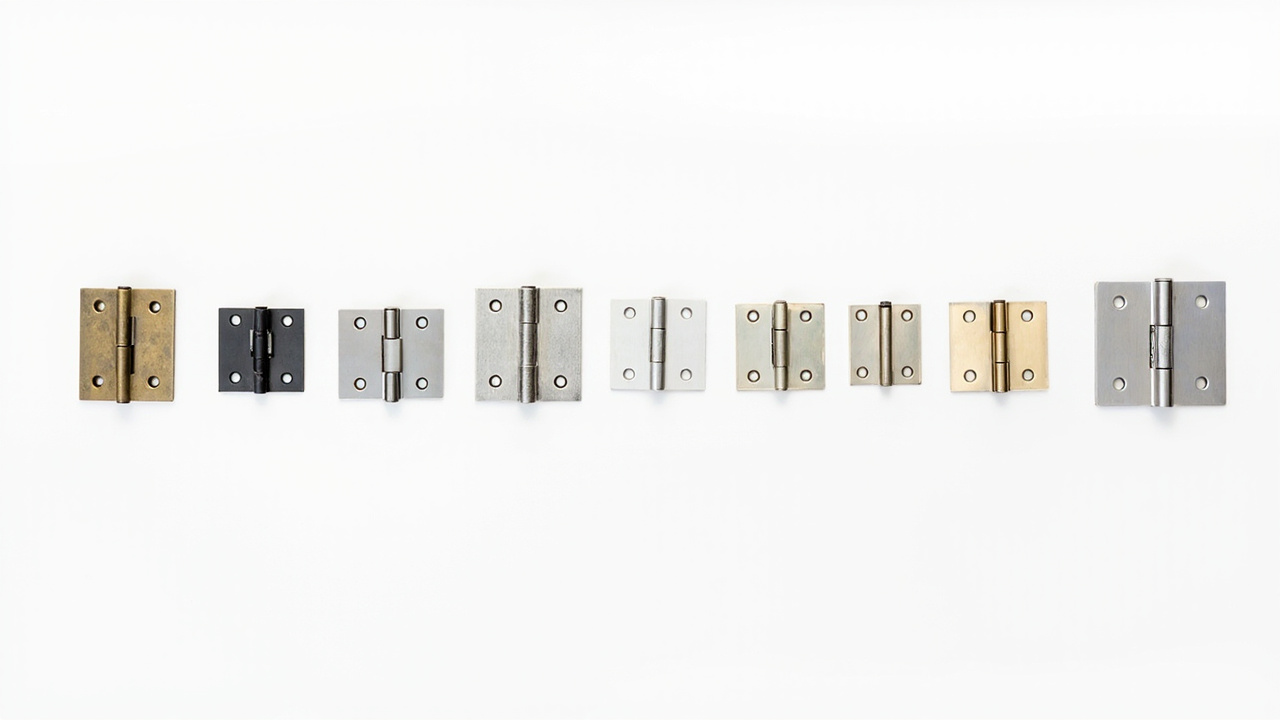
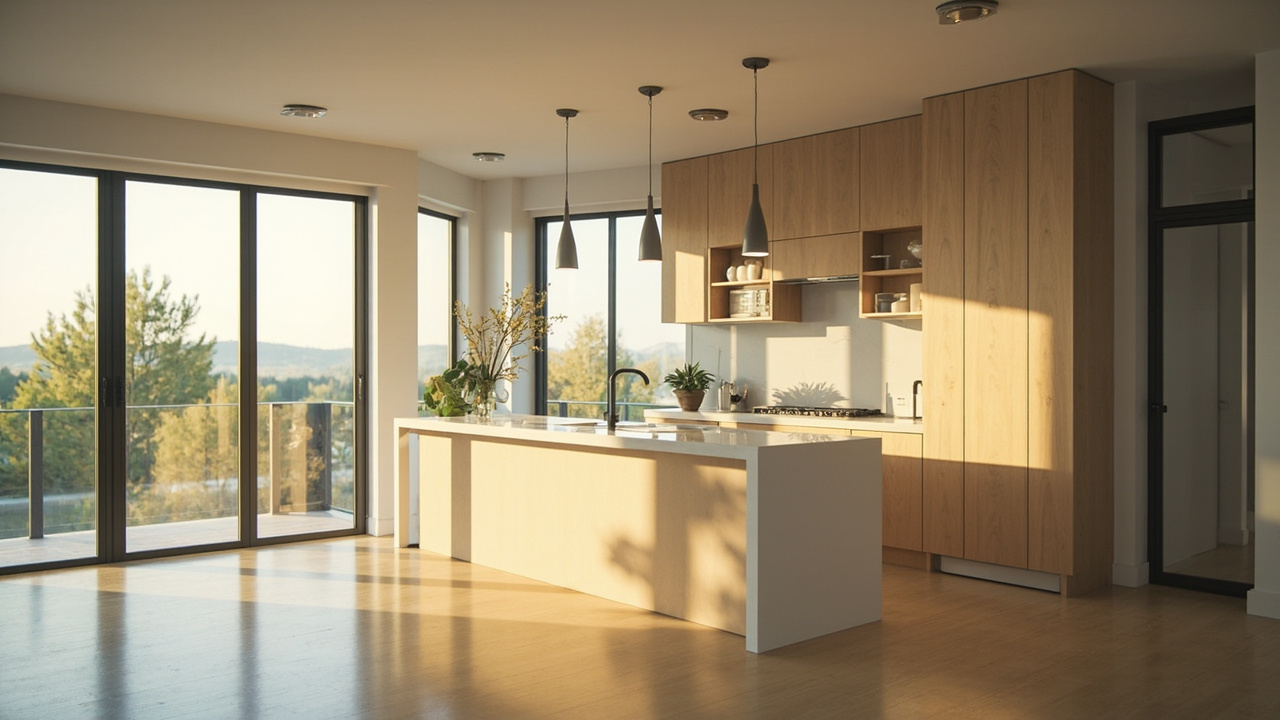
Splitting the procurement into three packages was the foundation of the whole operation. The kitchen package covered 50 sets of melamine cabinets with soft-close hardware, quartz countertops and stainless sinks. The bath package covered 50 PVC vanity units, mirror cabinets, complete faucet and shower sets, and accessories. The door package covered 150 fire-rated interior doors with frames, hinges and locksets. Each package went to a different specialised factory rather than a general trader, because a specialist produces to a tighter tolerance and quotes a tighter price.
Container planning across three factories
The three packages were sized to fit a known number of containers so that shipping cost per apartment was predictable. The kitchen package filled two 40-foot containers, the bath package one and a half, and the door package two. By staggering the orders by two weeks the developer avoided having all three factories finish production in the same window, which would have required a much larger consolidation warehouse. The total shipping volume was five and a half 40-foot containers, with goods consolidated at a single forwarder warehouse in Yiwu before being trucked to Ningbo port.
Quality control before, during and after production
Quality control ran in three waves. Before production, the developer paid for one sample of each product and flew a project engineer to the three factories to walk the assembly lines. During production, the engineer received weekly progress photos and one unannounced video call per factory, which is a surprisingly effective deterrent against unauthorised material substitution. After production, a third-party inspection firm checked every package on an AQL 2.5 single sampling plan for visible defects and an AQL 1.0 plan for functional defects. Two cartons of doors were rejected for hinge misalignment and reworked at factory cost — exactly the kind of problem an inspection is meant to catch.
Cost savings and the local benchmark
Against three local supply quotations, the China-sourced packages came in 41 percent cheaper on kitchens, 35 percent cheaper on bath fittings and 39 percent cheaper on doors. The blended saving across the three packages was 38 percent. After adding freight, insurance, import duty and the cost of the inspection firm, the net saving was still 31 percent of the local benchmark — roughly 280,000 US dollars on a building with a 900,000 dollar fit-out budget. The saving funded an upgrade from melamine countertops to quartz on every kitchen, which raised the perceived value of the units without changing the headline budget.
Installation timeline and what shipped together
On site, installation ran in the same sequence as the container unloading: doors first, then kitchens, then baths. Doors were packed by floor, kitchens were packed by unit, and baths were packed by component type grouped by unit. This packing logic, agreed in the contract before production started, meant that the installation crew never opened a carton and found parts belonging to a different apartment. The whole installation cycle took nine weeks, two weeks ahead of the original schedule, because time was not lost searching for parts.
Lessons that generalise to any residential block
Three lessons travel beyond this single project. First, package the procurement by product family, not by supplier relationship, because specialists quote tighter and tolerate narrower specs. Second, plan the containers as a deliberate quantity — round the order up or down so it fits a whole number of 40-foot boxes, because a half-empty container is the same price as a full one. Third, write the packing sequence into the contract before production starts, so the cartons arrive organised for installation rather than for the convenience of the factory warehouse. A residential fit-out sourced from China is a logistics problem dressed up as a procurement problem, and the developer who treats it that way is the developer who hits the handover date.